We use cookies to provide you with personalized services and improve our website. More info Ok
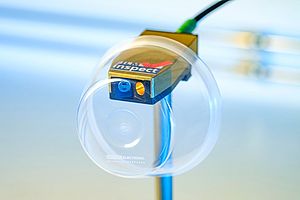
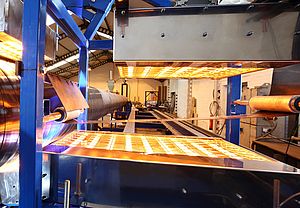
Ultra-thin barrier layers on packaging effectively protect food and medicine from oxygen, moisture, and contaminants. The Film-Inspect sensor, developed at Fraunhofer IPM, measures the quality of these barriers during the coating process, enabling process control for the first time.
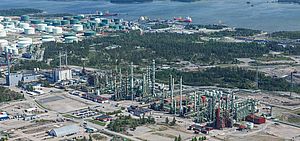
The Hungarian MOL Group has achieved a significant milestone in its SHAPE TOMORROW Strategy by successfully completing its first ISCC PLUS-certified production run using circular feedstock at its MOL Petrochemicals site in Tiszaújváros.
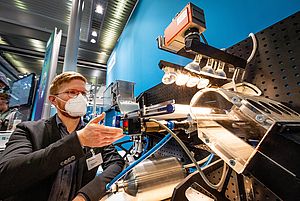
Today, the majority of consumer goods and everyday items are made from petroleum-based plastics. In Germany alone, around six million tonnes of plastic waste is generated every year. About half of this is mechanically recycled into new materials; the rest is used for energy recovery. The incineration of this waste results in the release of CO2, a greenhouse gas. It is therefore important to keep more plastics in the material cycle for climate and environmental reasons. Eight Fraunhofer Institutes are developing new ideas and processes to significantly improve the mechanical recycling rate of plastics as part of the Waste4Future flagship project.
High chemical resistance for use in demanding applications
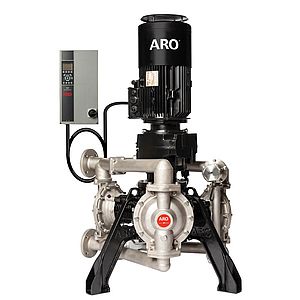
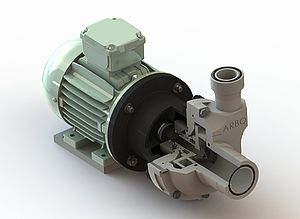
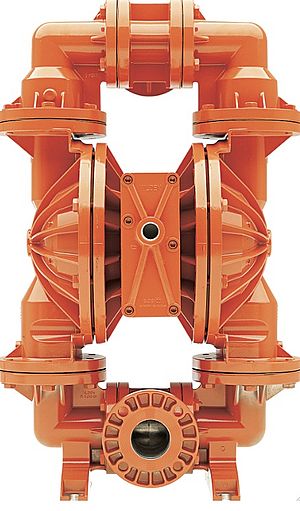
Low-pulsation 3 chamber design in different construction materials
For particularly aggressive and abrasive media
Corrosion resistant polypropylene and FKM wetted materials for a wide range of chemicals
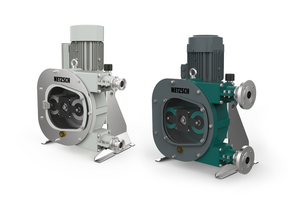
Built-in wiper for lower maintenance and operational costs
User protection with high performance level
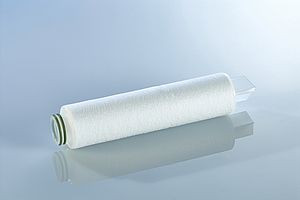
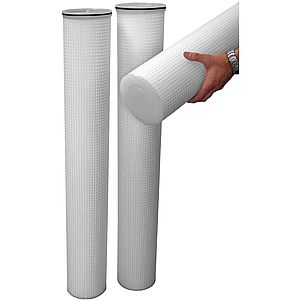
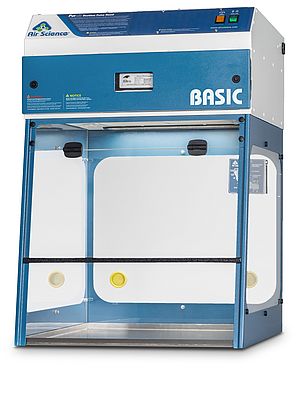
Polypropylene Depth Filters for challenging applications
With a twenty years’ experience in microplate design, manufacture and marketing across North America, Bob Brino is the new OEM Business Development Manager for microplate and sample prep product
Water is a precious resource for any aspects of human life, even when looking at sales volume. Why the best water management practice is to think of water and management as a business and environmental cost
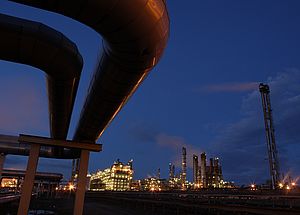
Emerson Process Management will provide automation and reliability technologies and services for world’s largest naphtha cracker plant to support efficient, high-availability production of plastics and related materials for local and export markets
Can handle flows up to 50 m3/hr
with major automation upgrade
for corrosive and ultra-pure fluid applications
available in metal and plastic
for the production of conductive polymers
at its Singapore petrochemical plant
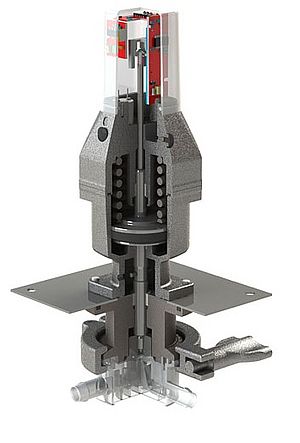
GEMÜ’s single-use diaphragm valve allows a paradigm shift to single-use technology: from manual systems to systems which can be automated for fault-free operation and with complying documentation.The trend towards simplified plant designs upstream and downstream and the effective prevention of cross-contamination risks is constantly giving an ever more important profile to single-use disposable...
with programmable electronic systems
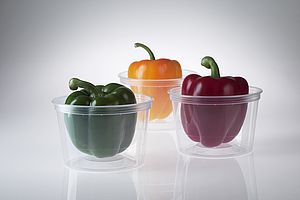
for transparent packaging applications
offer improved vacuum resistance
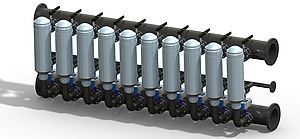
meets even the largest flow
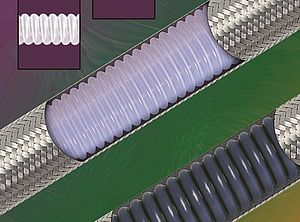
helps produce high performance pipelines
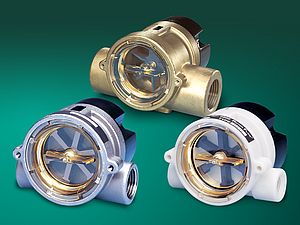
combine continuous fluid flow sensing with visual indication
designed for aggressive liquids
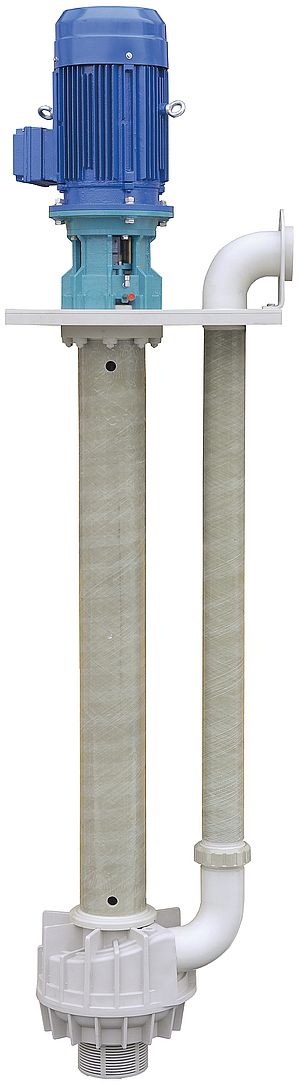
with one motor for several pump tubes
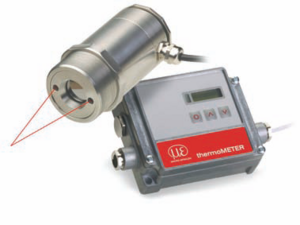
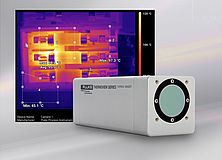
Infrared temperature measurement devices are non-contact, relatively low cost, preventive maintenance tools. But when selecting the most suitable sensor users must consider two key parameters: emissivity and wavelength.
provide a barrier between pipette and sample
Digital Edition Download PDF