We use cookies to provide you with personalized services and improve our website. More info Ok
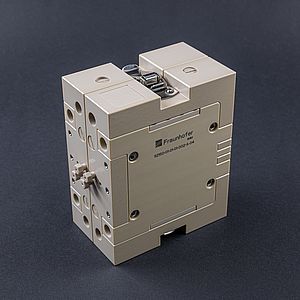
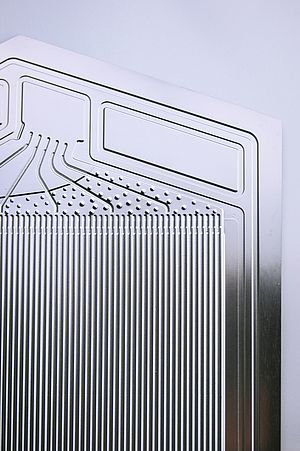
Mihails Kusnezoff, Stefan Megel and Sindy Mosch from the Fraunhofer Institute for Ceramic Technologies and Systems IKTS in Dresden have developed a high-temperature electrolysis stack that is setting new standards worldwide: It generates hydrogen with unprecedented efficiency, can also operate as a fuel cell and is designed for industrial-scale serial production. The technology has earned the three researchers the Joseph von Fraunhofer Prize for 2026.
A long-standing automation partnership between a Swiss machine builder and one of the world’s leading manufacturers of industrial robots is aiming to help transform the pharmaceutical supply chain in Europe with the launch of what is believed to be the ‘smallest’ automated palletising cell for vials and pre-filled syringes.
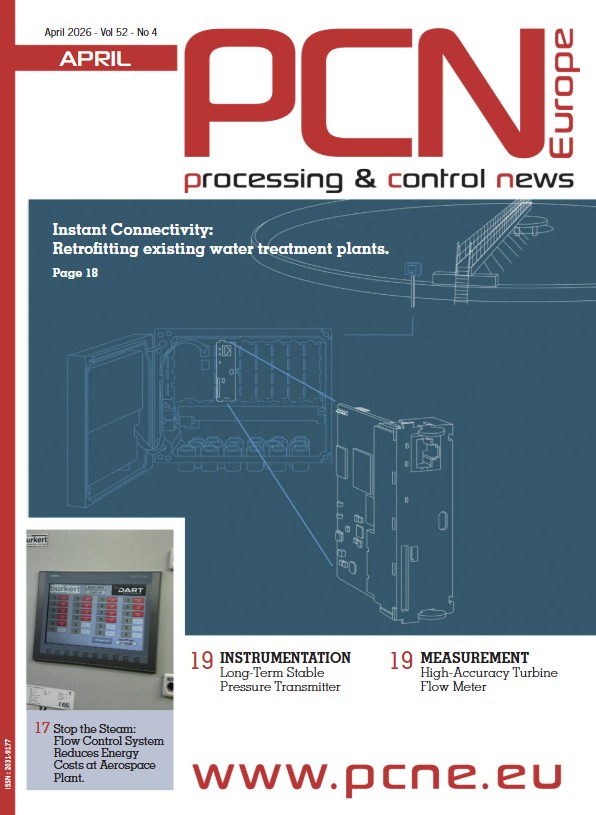
At a specialist aerospace equipment manufacturer in Portsmouth, an initiative to reduce energy costs identified steam energy usage that could be optimised. Dart Aerospace involved Bürkert’s engineering team to develop a system that could automatically close steam flow during non-operational periods. This custom-developed flow control system was set live in January 2025 and achieved return on investment in a matter of months.
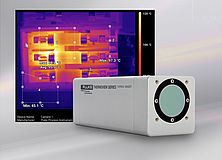
For accurate and stable measurements of process temperatures above 100 °C
As the world urgently seeks ways to decarbonise, James Clements from Signal Group explains how gas analysis will perform a vital role – particularly in carbon capture, and not just for CO2 but for all of the important greenhouse gases.
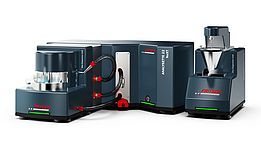
Precise material analysis plays a central role in many industries - from the pharmaceutical and food industries to construction materials, biotechnology and environmental sciences. Whether for quality assurance or for predicting material behaviour, the precise characterisation of particles is crucial.
Experts have to collaborate effectively for process plants to be controlled reliably and economically. Safety, reliability, and efficiency must be guaranteed. This means operators of such plants are dependent on experienced project partners who not only supply individual products, but also have a deep understanding of the processes and requirements on-site and are able to use this knowledge to develop customized and long-term sustainable solutions.
Fraunhofer researchers have developed sensor systems and measuring equipment that detect leaks in hydrogen lines and tanks. Applications for the new technology include continuous monitoring of hydrogen shipments and facilities in the chemical industry.
Non browning lens for small sensor cameras
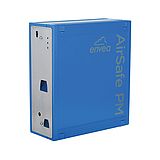
Finding possible contaminants in renewable hydrogen helps prevent equipment damages
Personalized medicine means an elementary change for the pharma and biotech industry aimed at the production of large quantities. Pharmabotix is developing automation and robotics solutions for filling smaller batches as they occur in cell and gene therapy. The Swiss company is thereby focusing on a hygienically designed Yaskawa Motoman HD8 industrial robot.
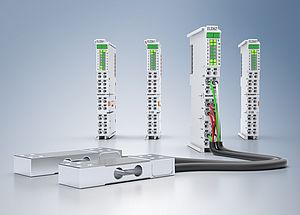
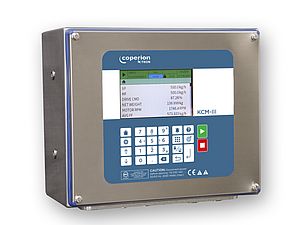
Single terminal combines weighing function and sensor power supply
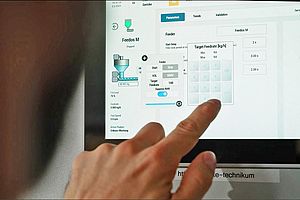
Minimising programming tasks for complex processes in bulk handling
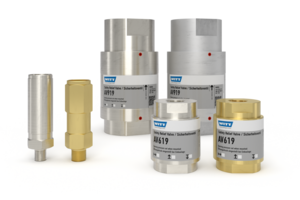
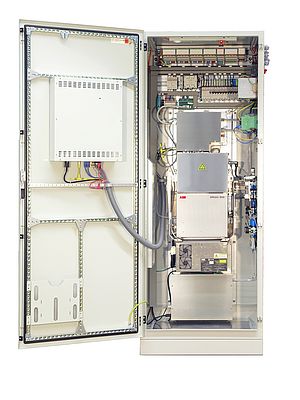
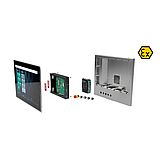
The use of conventional analysis equipment in hazardous areas is complicated due to a lack of approvals. Equipment without ATEX or IECEx certification must be specially protected so that it does not act as an ignition source. At the same time, analysis equipment is essential for many processes. For example, for testing the purity of hydrogen at hydrogen refuelling stations.
Electrochemical processes like water electrolysis will become increasingly important in the future in light of climate change and the resultant need for an energy and raw materials transition. The Fraunhofer Institute for Microengineering and Microsystems IMM is collaborating with hte GmbH to develop modular electrochemical cells. These flow cells are used in screening tasks, thereby helping optimize electrochemical production processes, such as water electrolysis.
The world is facing a fundamental change to its entire energy supply. All current methods of generating energy are under scrutiny. Nuclear energy has fallen into disrepute for a number of reasons. Meanwhile, hydropower has its own limitations in terms of scope, one of which is its immense impact on the landscape and the associated consequences for flora and fauna. Biomass is another option, but it competes with food production and is also a limited resource. Author: Wolfgang Weber, Pepperl+Fuchs
At the upcoming Hannover Messe, running from 17 to 21 April, some 500 companies will be presenting their solutions for hydrogen production, transport, storage and consumption.
Ammonia could play a decisive role in the transition from fossil fuels to climate-friendly alternatives if produced from green hydrogen. Researchers at the Fraunhofer Institute for Microengineering and Microsystems IMM are developing ammonia-based systems for a mobile, decentralized energy supply in the infrastructure, transportation and industry sectors.
High precision and low power consumption for medical devices, food equipment and other applications
How Raman process monitoring is providing a spectra of benefits across the biopharmaceutical industry. Dean Stuart, Product Manager at Thermo Fisher Scientific
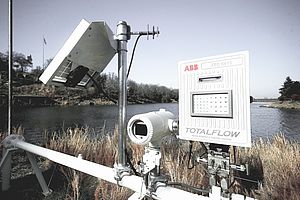
The decarbonization of energy systems has seen greater interest in the production, distribution and use of hydrogen. To ensure it can become a viable business, custody transfer for hydrogen is essential and this is now being made possible using the latest generation of measurement technologies, as Ricardo Mendes, Global Product Line Manager, ABB explains.
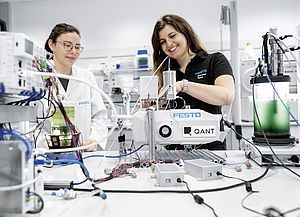
Automation technology facilitates large-scale biomass cultivation using artificial photosynthesis. Prototype with quantum technology to be presented at Hannover Messe 2022
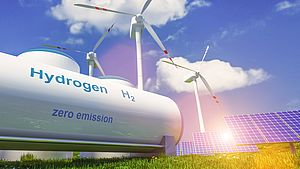
Technology for hydrogen generation expected to go into production in 2025
Fraunhofer researchers develop sensors for fire and explosion protection
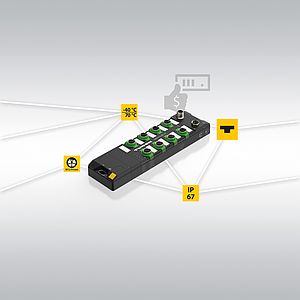
Cost-efficient switches with M12 Power
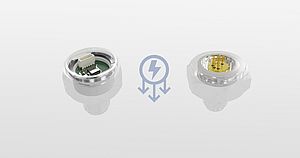
Low energy consumption enables a wider field of applications
For the safe production of hydrogen by electrolysis
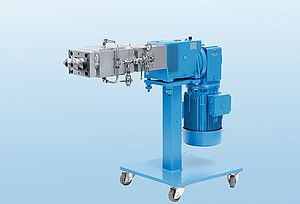
Coperion Partners in Development of Manufacturing Technologies for Graphite-Polymer Based Bipolar Plates
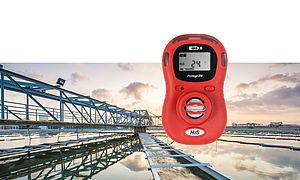
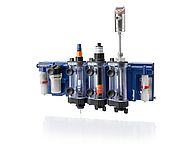
When choosing a gas detector for use in water treatment applications, engineers should focus on simple, efficient, proven products for this challenging marketplace.
Schaeffler is the consortium lead for the sub-project “Stack Scale up – Industrializing PEM Electrolysis” of the H2Giga hydrogen flagship project
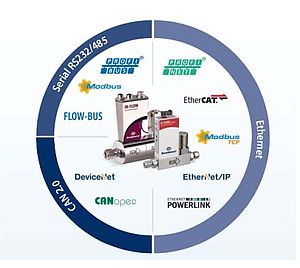
Versatile interface options for a broad range of markets
While the wheels of industry need to keep turning to produce the everyday items that we take for granted, there is a growing realization that this cannot be done at the continuing expense of the environment.
Swiss Manufacturer of Chilled-Mirror Dew Point Hygrometers will complement the measurement portfolio with its expertise
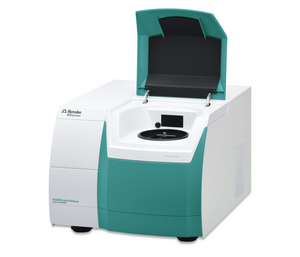
Fast, simple and robust routine analysis of liquid samples
Smart control technology for batch or continuous production
Portfolio covers entire value chains for green chemicals, from hydrogen production to sustainable manufacture of ammonia, methanol, synthetic natural gas and fertilizers
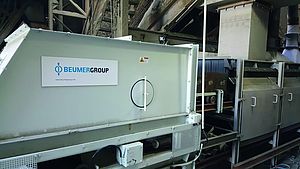
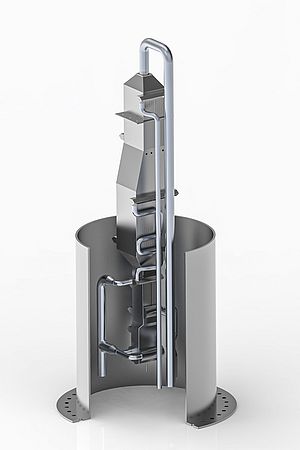
From a kiln cooling system to silos: the safe and economical transportation of hot materials like clinker is crucial in cement plants. The material can have extremely high temperatures of 500 to 800 degrees Celsius.
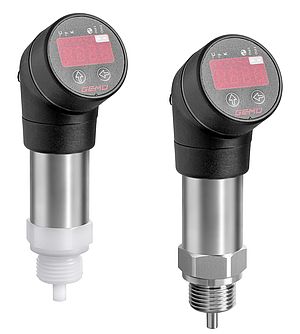
Precise monitoring in systems and piping with IO-Link interface
Fast sampling rate and processing time deliver high accuracy and repeatability
Dedicated showcase for hydrogen and fuel cell technology at HANNOVER MESSE from April 20 to 24
Digital Edition Download PDF