We use cookies to provide you with personalized services and improve our website. More info Ok
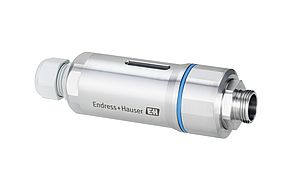
Ethernet-APL extends connectivity all the way to process automation field devices. This is achieved with 2-wire cabling via Ethernet-APL switches at data transfer rates of 10 MB/s. Transmissions are intrinsically safe and therefore possible into Ex zones as well. This paves the way for the straightforward collection of large volumes of field data, which facilitates plant optimization as well as the development of new business models in process engineering. Yet physical transmission is only part of the story.
BASF is convinced of Ethernet-APL technology: it offers powerful and consistent digital communication in process automation from sensors to control levels. We talked to Andreas Ziegler, Automation Manager at BASF SE, about advantages and challenges.
Brownfield digitalization in line with Namur Open Architecture (NOA)
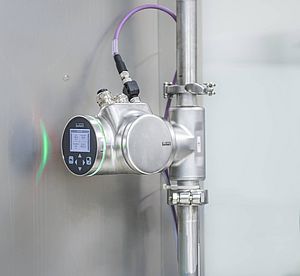
More efficiency and less product waste in food production
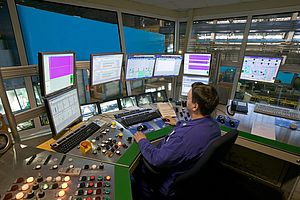
With the Industrial Internet of Things and Industry 4.0 rapidly gaining acceptance in wider industry, a digital transformation is now being seen as the only way to keep pace with modern consumer demands.
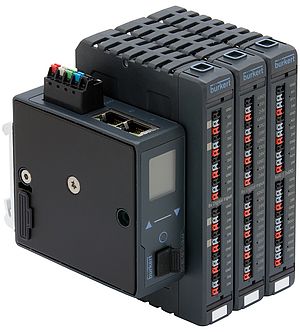
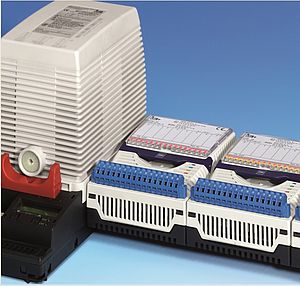
Bürkert launched an expanded version of its versatile digital device platform that intelligently communicates with external systems thanks to two new integrated components: the I/O module ME44 and the fieldbus gateway ME43
ODVA announced at the last edition of SPS IPC Drives in Nuremberg that Ethernet/IP adoption continues to grow at approximately 25% share of market
The valve sector is exponentially gaining importance thanks to rising demands and the need of ensuring safe and accurate processes. In addition, measurement data is collected and exploited as the basis for the IoT industry concept
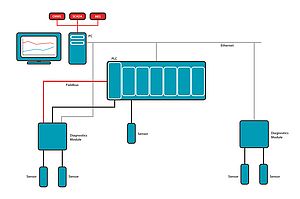
offers more diagnostics options and increased availability
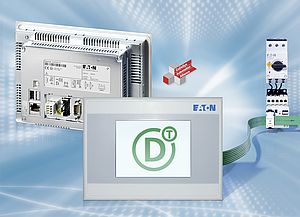
with integrated SmartWire-DT Master
Functional safety, the last major domain of conventionally wired signal cables, is facing a changeover.
Digital Edition Download PDF