We use cookies to provide you with personalized services and improve our website. More info Ok
Looks matter, but they aren’t everything: long before croissants, biscuits or waffles are placed in protective packaging, manufacturers need to ensure that their contents are exactly as they should be. In upstream steps, producers pave the way for the highest quality, safety and shelf life of ready-to-eat products. Ingenious technologies that work towards this goal are always part of the packaging process.
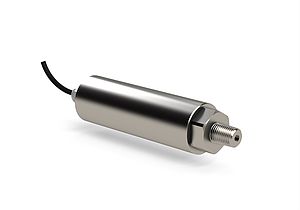
Optional Stainless-Steel Sleeve for mechanical stabilisation
For gas and liquid measurement in marine, offshore and submersible applications
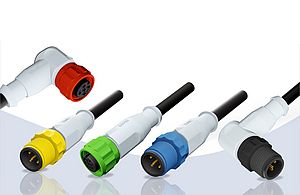
Plastic coupling elements for higher chemical resistance
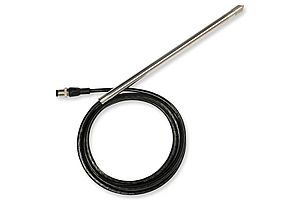
Digital humidity and temperature probe for harsh environmental conditions and suitable for temperatures up to 120 °C
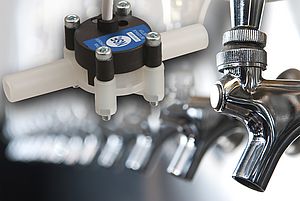
For safe and reliable fluid dispensing with high repeatability
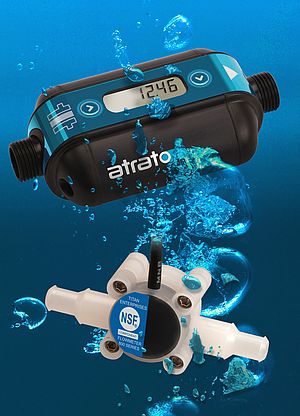
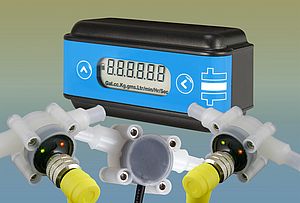
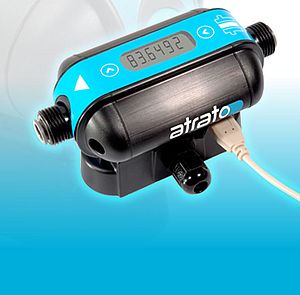
Different flow ranges from 0.05 to 15 l/min
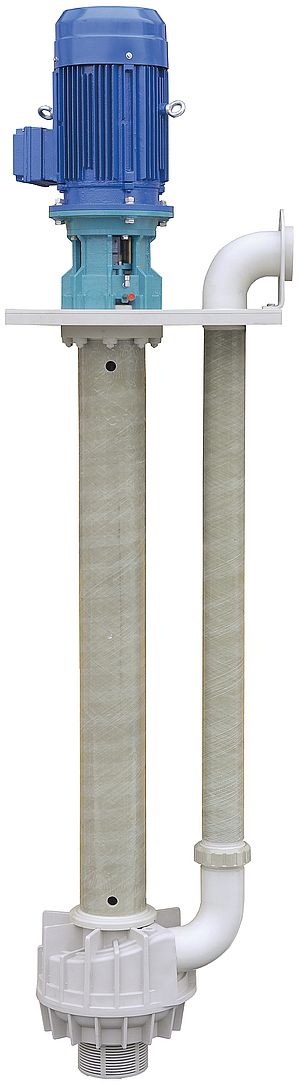
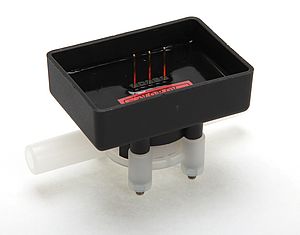
Construction without metallic wetted parts
LAPP needed impressive products and patience to establish a foothold in Chile’s food and beverage industry. Its most high-profile customer in the South American country is a globally leading manufacturer of soft drinks
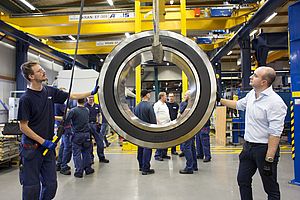
The three-tonne 241/900 sealed SRB is dimensionally equivalent to a standard SKF non-sealed version
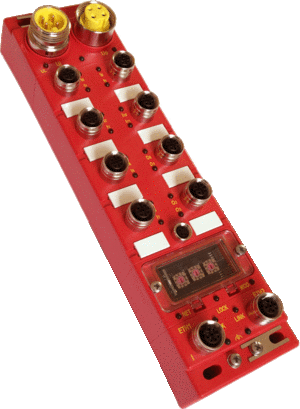
Brad HarshIO IP67 Modules for EtherNet/IP are designed for connecting industrial safety controllers to sensors and actuators in harsh duty environments and feature CIP Safety technology
for remote situations
for hygienic applications
enables more responsive valve solutions
with top loading design
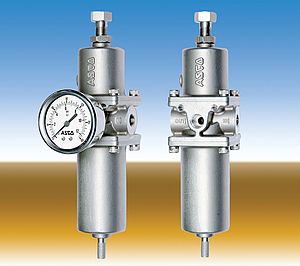
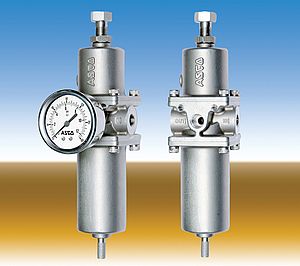
for inlet pressures up to 10 bar
enables faster assembly
its European manufacturing operations
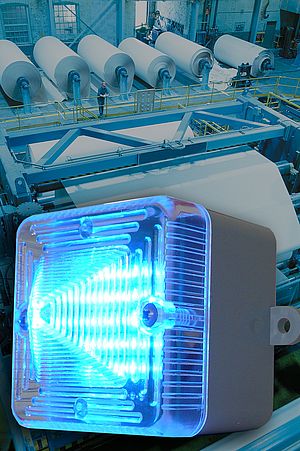
features an array of 24 LEDs
reduce product damage and speed up production
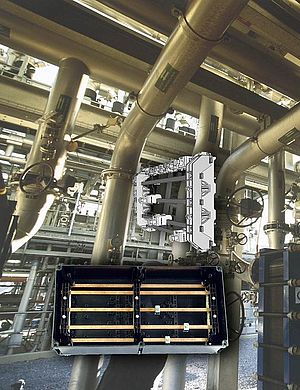
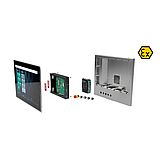
for use in hazardous areas
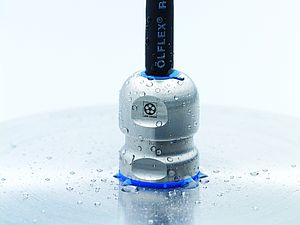
for harsh environments
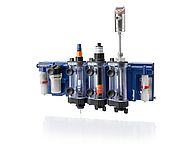
with bypass for large volume flow
designed for aggressive liquids
Kandern Feuerfest, Germany, retrofitted all presses with the latest safety technology in order to reach all over the highest safety category 4 according to EN 954-1, PL e according to EN ISO 13849-1, and SIL 3 according to EN IEC 62061
Three challenges have to be faced in injection moulding: seamless surface, shorter injection cycles, and a high degree of moulding accuracy.
Digital Edition Download PDF