We use cookies to provide you with personalized services and improve our website. More info Ok
Growth in incoming orders, sales, profit and employment reported for 2023 by Matthias Altendorf and Luc Schultheiss
Monitoring Control Cabinet Climate with expanded functions for a wider application field
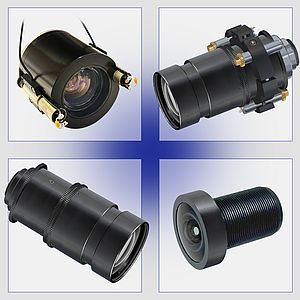
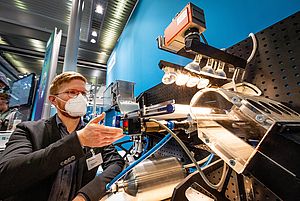
PCN Europe spoke to Mark Pontin, Managing Director of Resolve Optics about the challenges for lenses in optical material inspection and sorting applications.
Ethernet APL is a game changer for networking at field level – especially for the process industry. It offers consistent networking with a single protocol, high speeds for cable lengths of up to 1000 metres and intrinsic safety for areas at risk of explosion.
Real-time insights for the identification of top-priority pollutants across cities and industries
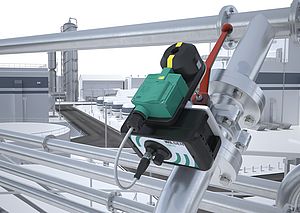
Flexibly expandable solution that is suitable for use with static and retractable fittings
Custom Optical Module for Cutting-Edge Imaging Systems
For easier access to diagnostic data of sensors
Today, the majority of consumer goods and everyday items are made from petroleum-based plastics. In Germany alone, around six million tonnes of plastic waste is generated every year. About half of this is mechanically recycled into new materials; the rest is used for energy recovery. The incineration of this waste results in the release of CO2, a greenhouse gas. It is therefore important to keep more plastics in the material cycle for climate and environmental reasons. Eight Fraunhofer Institutes are developing new ideas and processes to significantly improve the mechanical recycling rate of plastics as part of the Waste4Future flagship project.
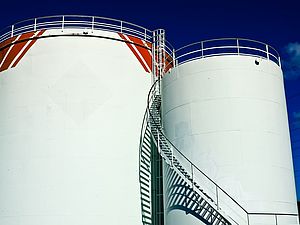
The session at the Emerson Exchange EMEA 2024 described improvements for a tank terminal in Antwerp. Dirk van Baelen, Emerson Area Sales Manager for Measurement Solutions in Flanders, described the improvement process in detail.
PCN Europe spoke to Hubertus von Monschaw, Global Director Trade Fair and Product Management HANNOVER MESSE at Deutsche Messe AG, about the current challenges facing the industry and HANNOVER MESSE 2024.
Optimization of offshore wind turbines and onshore facilities for Japan’s largest wind farm
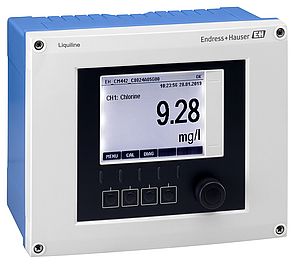
Water management is an increasingly important and challenging issue, particularly in light of concerns such as water scarcity. Greater value is thus being placed on disinfection processes. To protect against bacteria, viruses and other harmful organisms, drinking water requires disinfection and hygiene measures. This also applies to the environment in order that lakes and water-based activities can be enjoyed without hesitation. Disinfection processes play a large role in industrial processes as well. In the beverage industry, drinking water flows directly into the products, while surface waters are frequently used as a coolant in other segments such as energy generation.
For accurate, low maintenance measurement online water analysis system
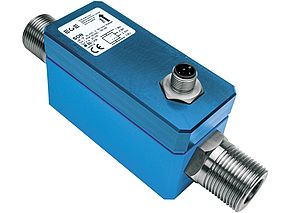
Robust design for flow ranges from 0.5 to 100 l/min
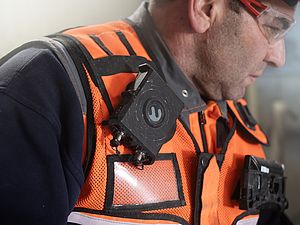
Concrete producer PRO BETON’s lone worker protection equipment has incorporated Wearin's IoT solution, which alerts the control center in the event of an accident and detects falls with unrivalled reliability.
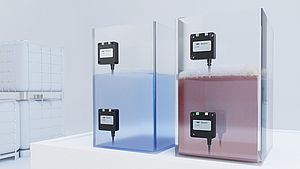
Reliable measurements despite films and adhesion
Bringing sensors directly to the cloud
Autonomous Wireless Sensor Nodes Provide Data via LoRaWAN
Hyperspectral cameras for four GHGSat satellites set to launch in 2024
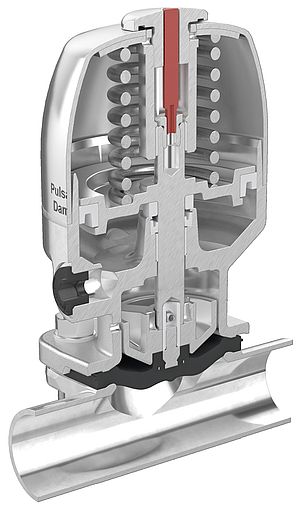
CIP/SIP capable solution to avoid pressure surges in plants
Condition monitoring of assets in hazardous areas
Hermetically-sealed sensors for process control
Leak Detection Sensor Certified for Multiple HVAC Refrigerants
Resolve Optics has two decades of experience in radiation resistant lenses for nuclear, space and medical applications and an unmatched range of standard fixed focus and zoom lens designs to draw upon. Adapting one of these existing designs enables Resolve Optics to quickly produce a radiation resistant lens optimized to suit almost any application. All optical elements within Resolves’s radiation...
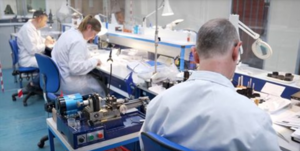
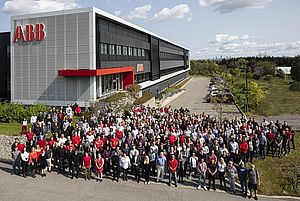
Established in 1973, today the ABB factory in Quebec, Canada manufactures market leading products for industrial analytical measurement.
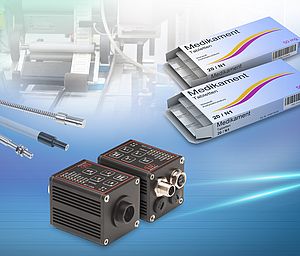
Reliable inspection for pharmaceutical packages
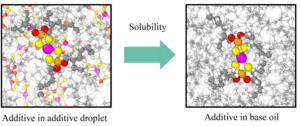
Mechanical bearings and gearboxes — like those used in electric vehicles and wind farms — are often treated with lubricants to avoid friction and wear. The voltage the components might be under impairs the effectiveness of the lubricants to such a degree that the tribological contacts are damaged. As part of the Lube.Life joint research project, researchers at the Fraunhofer Institute for Mechanics of Materials IWM have developed a virtual lubricant lab, which can be used to predict the effects of electrical fields on lubricant stability.
As a pillar of the global economy, the process industry is facing major challenges: high energy consumption and high use of fossil fuels, rising energy costs and stricter legal regulations make the decarbonization of the industry increasingly urgent. In order to achieve CO2 reductions and higher energy efficiency in their own operations, it is essential that companies drive the digitalization and automation of their entire production process. Author: Axel Lorenz, CEO Process Automation, Siemens
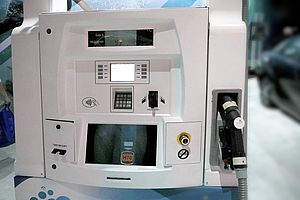
With the increase in hydrogen mobility, the network of refuelling stations is densifying. The sector is investing heavily into the infrastructure. This creates a significant demand for measurement technology, mainly to ensure the safety of the refuelling process.
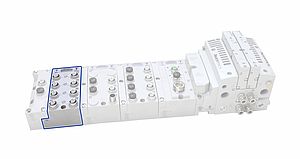
Possible reduction of hardware costs on G3 fieldbus platform
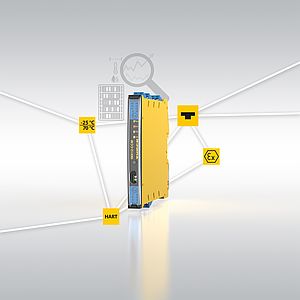
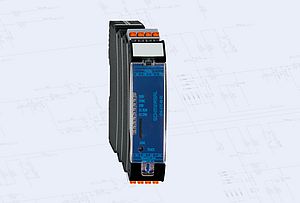
Certified for use in Safety Instrumented Systems up to SIL 3
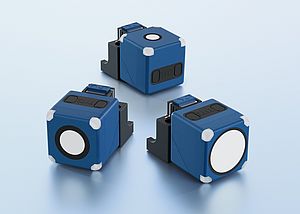
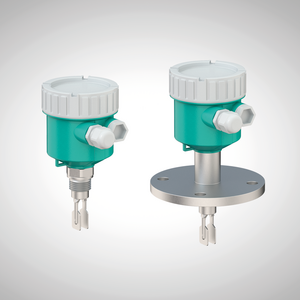
Flexible and versatile sensor for easy integration
Quick and easy set up without calibration for different media
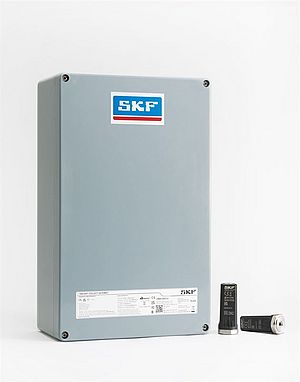
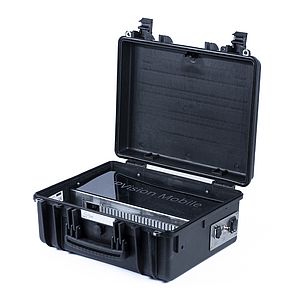
Complete monitoring system in ruggedized case
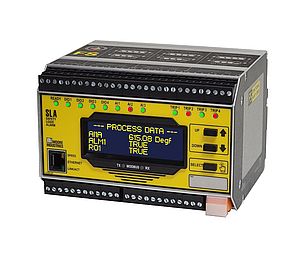
New version with high-performance error diagnosis
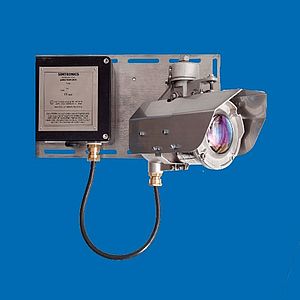
Gas detection with full SIL2 3rd party approval for safety related applications
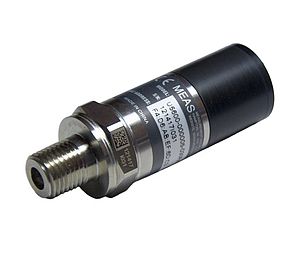
For measurements of absolute and gage pressure up to 1.000 bar
The importance of PAT software for Pharma 4.0-oriented data management
German Fraunhofer researchers have developed an extremely heat-resistant ceramic-based ink. For the first time, this enables metal components processed in the automotive industry at temperatures over 1,000 °C to be marked with a code. This opens up wide-ranging possibilities for designing process chains in the industry more efficiently and reducing their carbon footprint significantly.
Digital Edition Download PDF