We use cookies to provide you with personalized services and improve our website. More info Ok
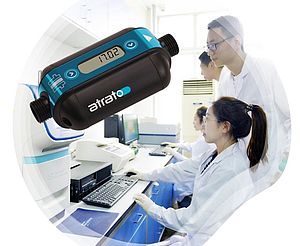
Easy-to-use USB-interface for direct monitoring
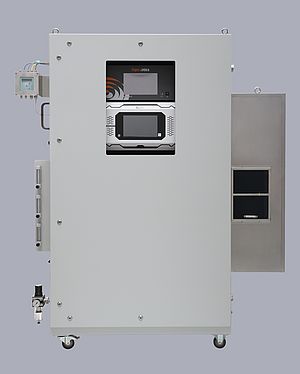
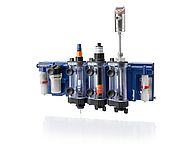
Two-in-One Analyzer for measuring hydrogen sulfide (H2S) and carbon dioxide (CO2) as part of quality and process control
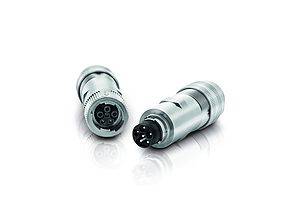
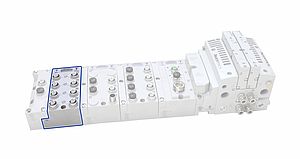
IP67-connector with quick locking for high power density applications
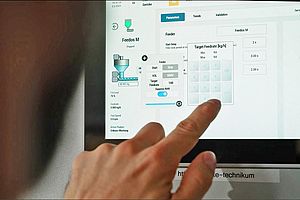
Minimising programming tasks for complex processes in bulk handling
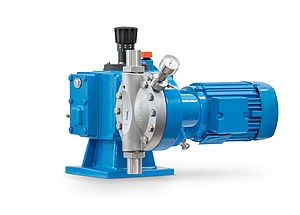
For applications with flow rates up to 2000 l/h
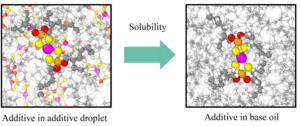
Mechanical bearings and gearboxes — like those used in electric vehicles and wind farms — are often treated with lubricants to avoid friction and wear. The voltage the components might be under impairs the effectiveness of the lubricants to such a degree that the tribological contacts are damaged. As part of the Lube.Life joint research project, researchers at the Fraunhofer Institute for Mechanics of Materials IWM have developed a virtual lubricant lab, which can be used to predict the effects of electrical fields on lubricant stability.
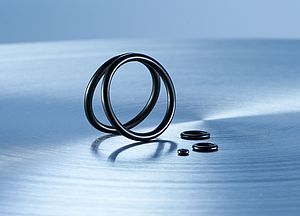
New compound with FDA approval usable in CIP and SIP processes
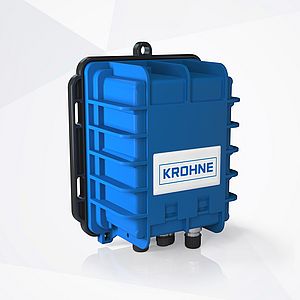
Data integration into customer SCADA system, data logging and storage for maintenance
Successor from Schneider Electric to lead the executive strategy for the open FDT/DTM standard
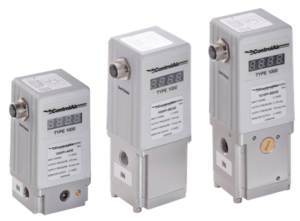
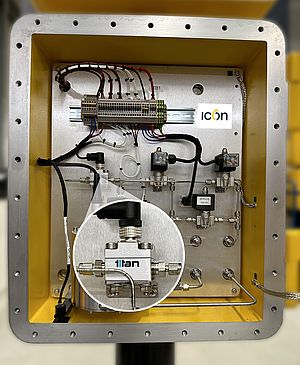
Ideal for applications that require tight pressure tolerance and centralized control and monitoring
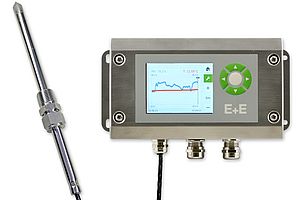
Heatable sensing element offers accurate measurements and guarantees long-term stability
A PCN Europe Interview with Steve Biegacki, Managing Director of the FDT Group
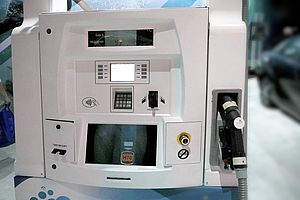
With the increase in hydrogen mobility, the network of refuelling stations is densifying. The sector is investing heavily into the infrastructure. This creates a significant demand for measurement technology, mainly to ensure the safety of the refuelling process.
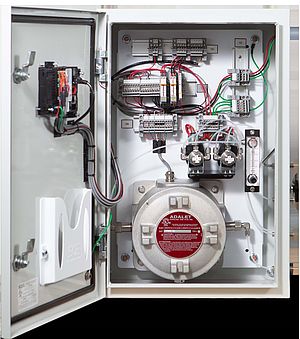
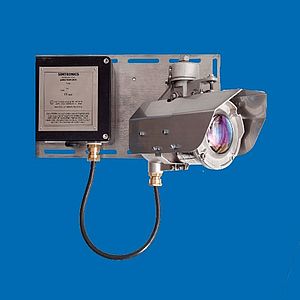
The use of conventional analysis equipment in hazardous areas is complicated due to a lack of approvals. Equipment without ATEX or IECEx certification must be specially protected so that it does not act as an ignition source. At the same time, analysis equipment is essential for many processes. For example, for testing the purity of hydrogen at hydrogen refuelling stations.
Saving Energy in potentially explosive environments
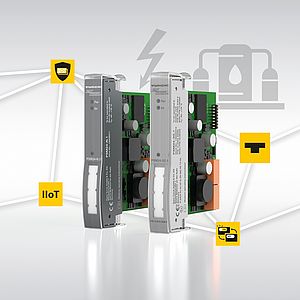
Monitoring and optimization for high availability applications up to ATEX Zone 2
Possible reduction of hardware costs on G3 fieldbus platform
Schenck Process repositions itself with focus on digital solutions and sustainable bulk solids processes
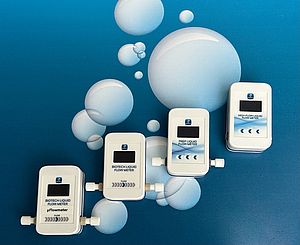
Precise and compact devices with easy-to-use software for continuous monitoring
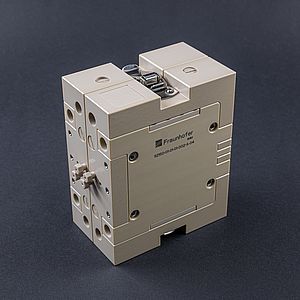
Electrochemical processes like water electrolysis will become increasingly important in the future in light of climate change and the resultant need for an energy and raw materials transition. The Fraunhofer Institute for Microengineering and Microsystems IMM is collaborating with hte GmbH to develop modular electrochemical cells. These flow cells are used in screening tasks, thereby helping optimize electrochemical production processes, such as water electrolysis.
Certified for use in Safety Instrumented Systems up to SIL 3
High chemical resistance for use in demanding applications
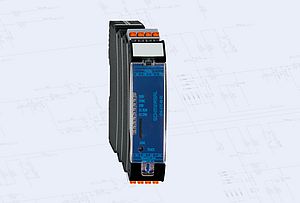
Certification according to SIL 1 (IEC 62061) and PL c (EN ISO 13849-1) standards for a wide range of applications
Flexible and versatile sensor for easy integration
Quick and easy set up without calibration for different media
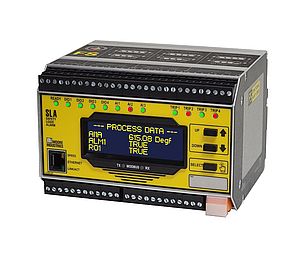
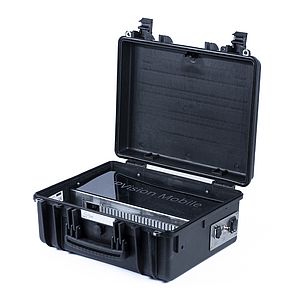
Complete monitoring system in ruggedized case
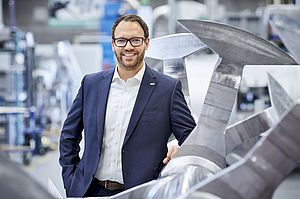
Maximilian Hoyer with new management position at the Paderborn-based process technology specialist in July
New version with high-performance error diagnosis
Flow Meter Reliability is Critical for On-Line Analysers Servicing the Oil and Gas Industry
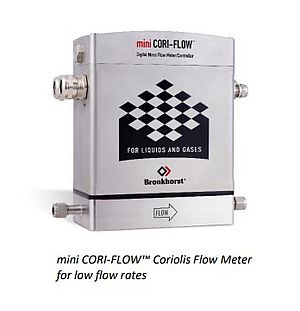
Compact device for low flow rate measurement
For compressed air consumption measurement and avoidance of losses due to leakages and inefficiencies
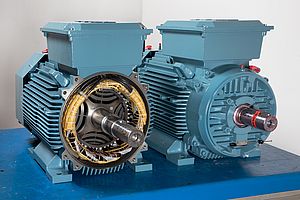
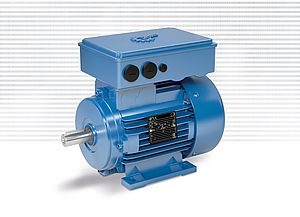
Revised single-phase motor with up to 1.5 kW power
Gas detection with full SIL2 3rd party approval for safety related applications
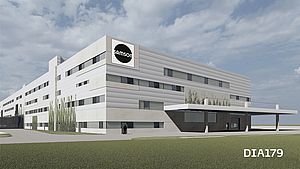
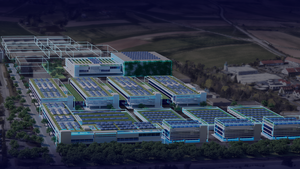
Construction to begin shortly on Offenbach Innovation Campus, production scheduled to start by mid-2024 already
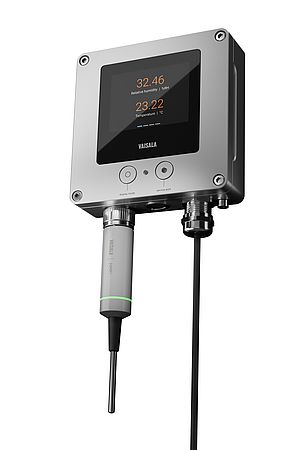
With display for local data visualisation
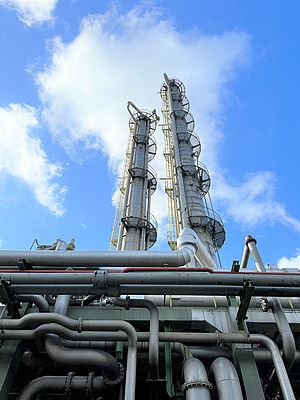
Using a Smart Safety Test by safety specialist HIMA, specialty chemicals manufacturer Evonik in Marl, Germany, was able to increase the availability of a propene distillation unit. With the help of partial stroke tests on safety-relevant butterfly valves, the cycles between plant shutdowns can be extended from one to three years. The successful project is being acclaimed as groundbreaking because of its economic significance.
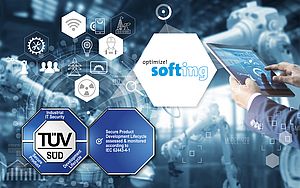
Softing Industrial is now certified to document a safe product development cycle.
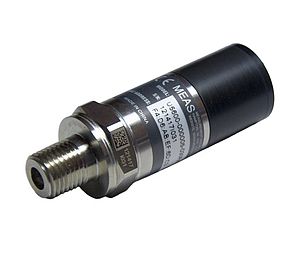
For measurements of absolute and gage pressure up to 1.000 bar
Investment of €1 billion in Germany, €500 million for new Technology Campus in Erlangen to create blueprint for industrial metaverse in Nuremberg metropolitan region
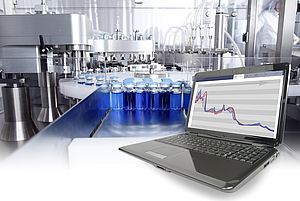
The importance of PAT software for Pharma 4.0-oriented data management
Digital Edition Download PDF