
PCN Europe WebMag July 2026Issue #216 - 08/07/2026
Essential source of information for professionals in the broad field of processing industries since 2004
Quick access
Contents2 Industry News: HIMA | AUTOMA3 Industry News: Fraunhofer IKTS | Aramco, Emerson4 Industry News: Simens, Ucaneo5 Explosion Protection & Safety: Brief Surges, Costly Consequences6 Measurement & Instrumentation: Quality Assurance Beyond Visual Inspection in Food & Beverage Manufacturing7 Measurement & Instrumentation: WIKA | Krohne8 Measurement & Instrumentation: JUMO | Emerson9 Measurement & Instrumentation: HIKMicro10 Measurement & Instrumentation: Clean Water, Plain and Simple: How Reverse Osmosis is Redefining the Future of Water Treatment11 Motors for Process Industries: ABB | NORD12 Equipment: Standardised Preconfigured Packaging Lines for Accelerated Start of Production13 Networks: Phoenix Contact | Antaira14 Pumps & Valves: Greater Safety Without a Locking Fluid15 Index16 Contacts17Companies in this issue
JUMO GmbH & Co. KG11 Pepperl + Fuchs SE6ABB Ltd12 Antaira Technologies Sp. Z O.o.14 Coperion Gmbh9 Emerson Automation Solutions - Systems9 FLIR SYSTEMS TRADING BELGIUM7 Gerhard Schubert GmbH Verpackungsmaschinen13 Getriebebau NORD GmbH & Co. KG12 HIKMICRO10 JUMO GmbH & Co. KG11 Krohne Messtechnik GmbH8 Pepperl + Fuchs SE6 Phoenix Contact GmbH & Co. KG14 Timmer GmbH15 WIKA Alexander Wiegand SE & Co. KG8


#2 Contents
#3 Industry News: HIMA | AUTOMA
#4 Industry News: Fraunhofer IKTS | Aramco, Emerson
#5 Industry News: Simens, Ucaneo
#6 Explosion Protection & Safety: Brief Surges, Costly Consequences
#7 Measurement & Instrumentation: Quality Assurance Beyond Visual Inspection in Food & Beverage Manufacturing
#8 Measurement & Instrumentation: WIKA | Krohne
#9 Measurement & Instrumentation: JUMO | Emerson
#10 Measurement & Instrumentation: HIKMicro
#11 Measurement & Instrumentation: Clean Water, Plain and Simple: How Reverse Osmosis is Redefining the Future of Water Treatment
#12 Motors for Process Industries: ABB | NORD
#13 Equipment: Standardised Preconfigured Packaging Lines for Accelerated Start of Production
#14 Networks: Phoenix Contact | Antaira
#15 Pumps & Valves: Greater Safety Without a Locking Fluid
#16 Index
#17 Contacts
HIMA Group has seen growth in 2025 despite challenging conditions
Despite a challenging market environment, the HIMA Group, a leading provider of safety-related automation solutions, continued its growth in 2025. Revenue rose by 2.4 percent to 190.5 million euros.

The positive revenue trend was particularly driven by international expansion. This offset declines caused by market weakness in the process industry within the DACH home market. At the same time, negative currency effects weighed on growth outside the eurozone. Order intake declined slightly due to subdued investment activity in many markets.
“We have achieved slight growth in a significantly more challenging environment. This demonstrates the resilience of our business model,” says Jörg de la Motte, CEO of the HIMA Group. “At the same time, we see that investment decisions are taking longer in many markets and that some projects are being postponed. This makes it all the more important that we have systematically expanded our international presence, our digital capabilities, and our role as a solutions provider.”
Regionally, dependence on the domestic market (DACH) continued to decline. The DACH region’s share of revenue stood at 21 percent, compared to 24 percent in the previous year. Other EU countries contributed 19 percent, Asia-Pacific 16 percent, the Middle East 13 percent, the United Kingdom and Norway 12 percent each, and the Americas 7 percent. As a result, HIMA now generates 79 percent of its revenue outside the DACH region.
A key milestone is the publication of the HIMA Group’s first sustainability report for the 2025 fiscal year. Although the company is not subject to mandatory reporting requirements, the report summarizes its commitment to environmental, social responsibility, and corporate governance activities.
“As a family-owned business, HIMA pursues economic, environmental, and social goals to operate successfully and responsibly in the long term while creating sustainable prospects for the next generation,” explains Steffen Philipp, shareholder of the HIMA Group. “From a shareholder’s perspective, sustainable, profitable growth is a decisive factor in this regard.”
Global initiatives include measures to reduce CO₂ emissions, more sustainable trade show concepts, electric vehicle charging stations for employees, local environmental and community projects, as well as programs for employee development, diversity, and compliance.
Integration of Sella Controls and Origo Solutions Strengthens Solution Expertise
The HIMA Group’s strategic development in 2025 was characterized by internationalization, digitalization, and the expansion of solution expertise. The integration of Sella Controls, which has been part of the HIMA Group since February 2023, has been successfully completed. Sella Controls is positioned within the Group as a center of excellence for rail technology.
The integration of Origo Solutions, which has been part of the HIMA Group since February 2024, is also well advanced and more than 90 percent complete. Origo Solutions particularly strengthens the Group’s presence in Scandinavia while enhancing its expertise in traditional and renewable energy markets. With the new HIMA Digital unit, the digitalization strategy is also entering its next phase under the motto #safetygoesdigital.
International Expansion and Strategic Partnerships Expanded
International expansion has also continued to advance. In China, the new headquarters in Shanghai was officially opened in December 2025. Following the opening of HIMA India in November 2024, the company’s presence will be further expanded in the near future.
In Latin America, HIMA opened new entities in Colombia and Peru. Colombia serves as a hub in Latin America with a focus on the process industry, while the branch in Lima supports projects in Peru and neighboring countries.
Expanding strategic partnerships remains a key component of the strategy to become a solutions provider. Collaboration with genua in the HIMA Security Lab has been intensified.
Together with Samson, HIMA is developing joint HIPS and pipeline management solutions for the hydrocarbon and chemical industries. The long-standing collaboration with Valmet is being further deepened in the energy, pulp, and paper sectors. Together with Hilscher, HIMA combines functional safety with industrial communication for embedded systems. In collaboration with DEUTA-Werke, the SafeHMI solution—powered by IconTrust—was developed to enhance operator and display safety in the process industry and rail sector; it is fully integrated into the HIMA Safety Platform.
Outlook: Opportunities through Digitalization and Energy Infrastructure
For the current fiscal year, the HIMA Group continues to anticipate a challenging environment. Geopolitical conflicts, currency effects, and investment caution may delay or postpone projects and services. At the same time, HIMA sees long-term opportunities, particularly in investments in energy infrastructure, renewable energy, hydrogen, pipeline expansions, and the digitalization of safety-critical processes.
With HIMA Digital, the HIMA Group is consolidating its expertise in digital solutions. At the heart of this is hima360, an independent, open digital platform based on SCADA+ that connects safety-related data, applications, and services across the safety lifecycle.
“The market environment remains volatile,” says Jörg de la Motte. “At the same time, the demand for functional safety, OT security, and digital solutions is growing. This is exactly where we’re focusing our efforts with the new HIMA Digital unit.”
AUTOMA 2026 in Amsterdam
The Oil & Gas Automation and Digitalisation Congress (AUTOMA) will take place on 5-6 October 2026 to bring together executives and technical leaders of the industry

Digital transformation in oil and gas moves forward when technology proves its value in real operating conditions. AUTOMA 2026, taking place on 5-6 October in Amsterdam, centres the discussion on this practical dimension of digital maturity. The Congress presents an industry-driven agenda grounded in operational experience across the value chain, with insights shared by leading organisations including Shell, Repsol and Linde.
Optimisation for asset performance and resilience
Over two days, leaders from more than 190 companies meet within a closed-door format that includes more than 260 B2B meetings. Executives, engineers and digital specialists explore how data infrastructure, industrial software and intelligent systems strengthen decision-making, optimise asset performance and support operational resilience. The discussions focus on applied use of AI, autonomous operations and digital twins, highlighting tangible results in efficiency and decarbonisation.
At AUTOMA 2026, strategic priorities are examined through engineering practice and real project implementation. Case studies and technical exchanges illustrate how digital solutions are integrated into complex industrial environments, while collaborative dialogue between organisations supports faster and more effective deployment.
You can register and book your spot at organizer’s webpage: https://sh.bgs.group/42d
Congress website: https://sh.bgs.group/42c
Electrolysis Platform for the Efficient Manufacture of Hydrogen and Chemical Products
Mihails Kusnezoff, Stefan Megel and Sindy Mosch from the Fraunhofer Institute for Ceramic Technologies and Systems IKTS in Dresden have developed a high-temperature electrolysis stack that is setting new standards worldwide: It generates hydrogen with unprecedented efficiency, can also operate as a fuel cell and is designed for industrial-scale serial production. The technology has earned the three researchers the Joseph von Fraunhofer Prize for 2026.

High-temperature electrolysis is a highly efficient process for manufacturing hydrogen that involves splitting water vapor into hydrogen and oxygen in an electrolysis cell. The main advantage: The elevated temperatures enable industrial waste heat to be used as the direct energy source for the reaction. This reduces the consumption of expensive electricity, accelerates the electrochemical reactions and significantly improves overall efficiency.
A new scientific and methodological approach by Fraunhofer IKTS
Researchers at Fraunhofer IKTS have spent more than two decades pursuing an extremely ambitious goal: to make high-temperature fuel cells and electrolyzers so powerful, robust and cost-effective that they not only support the energy transition but could significantly accelerate it. “Our goal right from the start was to build a bridge between electrons and molecules,” says Mihails Kusnezoff, Department Head for Materials and Components and Head of Energy at Fraunhofer IKTS. The Fraunhofer IKTS team’s approach differs significantly from that of many competitors: Instead of developing separate concepts for electrolyzers and fuel cells, the researchers have created a system that can operate in both modes. This was a major challenge, as Kusnezoff explains: “While fuel cell operation requires low resistance and high voltages, electrolysis demands long-term stability and practically thermoneutral operation with minimal temperature gradients.”
A versatile stack suited to mass production
In the lab, the researchers developed new electrolyte and electrode materials and optimized microstructures in order to build high-performance cells. “It’s only by combining multiple cells that we get what is known as a stack. This is the heart of the system and facilitates the scaling necessary to produce hydrogen in industrial quantities,” explains Sindy Mosch, researcher and member of the Materials for Printed Systems working group at Fraunhofer IKTS. The technical breakthrough was ultimately achieved by a combination of material innovation, design optimization and a consistent focus on industrialization. “We had to learn to think of electrochemical, thermal and mechanical effects as an integrated system. It was only by precisely coordinating microstructure, sintering behavior and protective layers that we were able to develop a cell that can function reliably for years both under the demanding conditions of electrolysis and in fuel cell mode,” says Sindy Mosch.
The Fraunhofer IKTS stack works reliably within an extended temperature range of 750°C to 850°C – a factor that plays a critical role in the lifespan of an electrolyzer. Within this temperature range, it is possible not only to convert water vapor and CO₂ into synthesis gas by means of electrolysis but also to use a variety of fuels such as natural gas, biogas, methanol, ethanol and even green ammonia in fuel cell mode for power generation.
From lab to factory: pilot production in Arnstadt
At the same time, the team addressed the issue of industrial scale-up by redesigning the metallic bipolar plate so that it can be efficiently manufactured in a single pressing operation, besides developing scalable coating processes for electrodes and contact/protective layers. “For us, one thing was clear: Technology can only contribute to the energy transition if it functions in the factory and not just in the lab,” emphasizes Stefan Megel, Ceramic Energy Converters Group Manager at Fraunhofer IKTS.
The technology’s industrial readiness has also impressed industry players: thyssenkrupp nucera identified the newly developed stack as an especially efficient and promising solution in the field of high-temperature electrolysis. Within just 14 months, Fraunhofer IKTS established a partially automated pilot production line at its Arnstadt location, thus laying the foundations for further scale-up together with its industry partner thyssenkrupp nucera. “The pilot phase has shown that our stacks combine scientific excellence with scalable, cost-effective production all the way up to gigawatt level,” says Stefan Megel.
Key technology for industrial decarbonization
Stack development at Fraunhofer IKTS has not only set new standards of efficiency and technological versatility but is also paving the way for the industrial use of electricity and waste heat for highly efficient hydrogen and synthesis gas production. The Fraunhofer IKTS team is thus contributing directly to the global energy transition while strengthening Germany’s competitiveness as an industrial location.
Aramco and Emerson Collaboration on Digitalization of Industrial Corrosion Monitoring
The companies have signed an agreement to jointly develop the next generation of corrosion management solutions for Saudi Arabian Oil Company, with the aim of preventing unplanned downtime and boosting production efficiency.
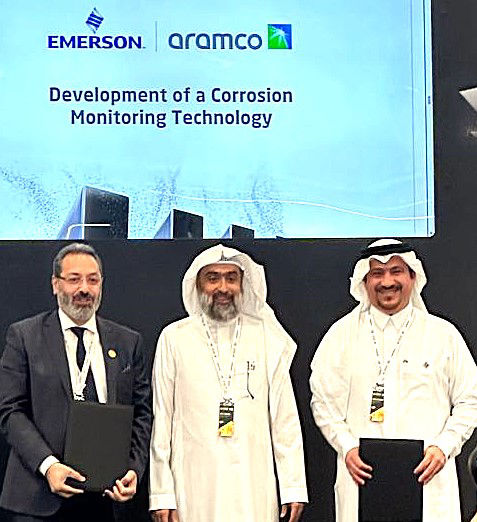
Emerson announced it will co-develop next-generation corrosion management solutions for the Saudi Arabian Oil Company (Aramco), one of the world’s leading integrated energy and chemicals companies.
For Aramco, corrosion management is a strategic priority tied directly to operational performance, safety and environmental responsibility. Continuous corrosion monitoring eliminates difficult, inefficient and dangerous manual corrosion measurements and provides a reliable digital data stream for improved decision-making.
Wall thickness monitoring with continuous data collection
As part of the corrosion research and development collaboration, Aramco will combine its expertise and intellectual property with Emerson’s advanced corrosion solutions to digitalise and transform corrosion management. Emerson will provide its technology leadership in ultrasonic online corrosion monitoring technology; seamless wireless connectivity for corrosion wall thickness monitors, and real-time and continuous data collection to develop a fit-for-purpose corrosion management solution for Aramco processes.
“Emerson, with our complete technology stack, is uniquely positioned to co-innovate the next-generation corrosion monitoring solutions that are cost-effective, scalable and customised for Aramco,” said Ram Krishnan, chief operating officer for Emerson. “We look forward to working with Aramco to develop not only a corrosion solution for its vast operations, but one that will also be a valuable tool for many other industries.”
Siemens and Ucaneo Partnership to Scale Direct Air Capture
First-of-a-kind plant will be inaugurated in Berlin on July 2, 2026.

Siemens and German climate technology company Ucaneo have partnered to scale electrochemical Direct Air Capture (DAC) technology from industrial pilot to commercial scale – with Siemens deploying the Siemens Xcelerator portfolio as Ucaneo's preferred automation and digitalization partner. Together, the companies are creating a standardized and globally replicable automation platform that will enable rapid deployment by Ucaneo and its licensed operators worldwide. By 2035, Ucaneo targets the annual capture of half a gigaton of CO₂ from the atmosphere, which is roughly equivalent to cancelling out the entire annual CO₂ emissions of Canada.
The partnership addresses a growing industrial challenge: sectors from aviation to chemicals increasingly require access to sustainably sourced CO₂ as a feedstock – and large-scale Direct Air Capture offers a scalable solution, replacing fossil-derived carbon with CO₂ captured directly from the atmosphere.
First-of-a-kind DAC plant
Ucaneo has developed an electrochemical DAC process, inspired by the human lung, that removes CO₂ directly from ambient air and delivers high-purity CO₂ at over 99.9 percent purity. The resulting CO₂ can be permanently stored to generate certified negative emissions or used as a feedstock for climate-neutral products including sustainable aviation fuel (SAF), methanol and food and beverage applications. The fully electrified process integrates directly with renewable energy sources and responds flexibly to grid conditions and power market prices.
Ucaneo's first-of-a-kind industrial plant in Berlin (Germany), with a nameplate capacity of 150 metric tons of CO₂ per year, is set to become Germany's largest DAC facility upon commissioning in July 2026. The facility will be officially inaugured on July 2 in Berlin. Part of the captured CO₂ will be permanently stored in geological formations, making the facility Germany's first verified Direct Air Capture project combined with geological storage. This makes Ucaneo the first company in Germany – and one of few globally – to permanently store CO₂ captured through Direct Air Capture. A follow-on commercial plant with approximately ten times the capacity is already in the development stages starting construction next year.
Automation and digital technology
Under the partnership, Siemens provides comprehensive support across process automation, instrumentation and analytics, drive technology and digitalization. Siemens' process simulation software and controllers are already deployed at Ucaneo’s pilot plant, complemented by automation consulting services from Siemens.
For subsequent project phases, Siemens' advanced distributed control system Simatic PCS neo and additional simulation software are planned. These solutions will enable full process validation in a virtual environment before physical commissioning, thereby reducing technical risk during scale-up. The strategic objective is a standardized, modularly scalable automation template that can be replicated across future Ucaneo plants and those of licensed operators worldwide. This will help to accelerate global rollout while safeguarding capital efficiency at each deployment stage.
Growing demand for industrial CO₂
The need for CO₂ as an input is growing across multiple industrial sectors – from sustainable aviation fuel and methanol production to food and beverage applications. Regulatory requirements are accelerating that trend: under the ReFuelEU initiative, e-kerosene must account for 1.2 percent of all jet fuel supplied at EU airports by 2030, rising to 35 percent by 2050. The EU Carbon Removal Certification Framework (CRCF) is establishing a certification system for permanent carbon removal credits. For DAC operators, this establishes a second commercial pathway alongside direct CO₂ sales.
Brief Surges, Costly Consequences
Even a minor surge can cause significant damage. The consequences range from sporadic PLC errors to the failure of entire system components. With increasing automation and networking, and a growing proportion of electronic components, systematic surge protection is becoming increasingly important. Pepperl+Fuchs offers efficient solutions from a single source. Authors: Andreas Grimsehl, Andreas Hennecke
Explosion Protection & Safety

Overvoltage can be transient or permanent: Transient overvoltages are brief voltage spikes caused, for example, by lightning, switching operations, or electrostatic discharges. Permanent overvoltages last longer and can be triggered by power grid issues or neutral conductor faults, among other things. They often lead to overheating and accelerated aging of equipment. As a general rule: If the electrical voltage exceeds the tolerance range of the rated voltage, consequential damage is practically inevitable.
The Root Cause Is Internal
Overvoltage can enter a circuit in three different ways. In the case of galvanic coupling, there is a direct conductive connection, such as via grounding or common return conductors. Inductive coupling arises from changing magnetic fields that induce voltages in adjacent conductors. Capacitive coupling is based on electric fields between conductive parts with different potentials. Inductive and capacitive effects occur without a direct connection between the conductors.
External causes such as lightning strikes or load switching in the power grid trigger strong pulses and have a high potential for damage. However, they account for only about one-fifth of the incidents. The remaining 80 percent of surges originate within the systems themselves. Causes here include switching operations, electrostatic discharges, reflections in long lines, coupling between parallel lines, and inadequate grounding.
Typical Consequences
In automation technology, the consequences of overvoltage often do not manifest as clearly identifiable individual damage. Rather, typical issues are malfunctions that are difficult to analyse and attribute. For example, when a contactor or relay is switched off, the collapsing magnetic field can generate a voltage spike – digital inputs flicker, the PLC reports errors, or automatically restarts. Frequency converters and power electronics generate steep voltage transients through fast switching operations, which can interfere with sensors, analog signals, and bus systems.
Long sensor cables are also susceptible. Reflections can superimpose signals and lead to incorrect measured values, communication errors, or ghost signals. If the control system and power supply are both fed via the same 24-V line, switching larger loads on or off can cause voltage dips and spikes. Here, too, this can result in PLC resets, failed I/O modules, or connection interruptions on field devices.
The economic damage typically far exceeds the value of the damaged component and the cost of repairs. Downtime, restarting, troubleshooting, production scrap, delivery delays, and damage to the company’s reputation can add up to many times the purely technical damage. Creeping equipment damage is also particularly problematic: sensors drift, power supplies become unstable, and I/O modules fail weeks after the event. Such faults tie up personnel and often lead to the replacement of components on a precautionary basis. As a rule, the total costs of a single damage event already far exceed the investment cost for surge protection.
Customized Protection
Effective protection against overvoltage requires components that are compatible with the system architecture. For signal lines, for example, it makes a difference whether the signal circuit is grounded or not. For grounded signal lines, a defined protection level from the line to ground is required. For ungrounded signal circuits, a higher insulation voltage from the line to ground is necessary. The rated voltage also plays an important role in the selection of protection components: 24-V signal circuits have different requirements than applications in the millivolt range.
Among the most commonly used protection components are gas discharge tubes, suppressor diodes, and varistors. They differ primarily in their reaction rate and dissipation capacity – the faster the reaction rate, the lower the capacity, and vice versa. Gas discharge tubes can dissipate high energies but react comparatively slowly. Varistors react faster and are frequently used for general device protection against voltage spikes. Suppressor diodes react extremely quickly and limit the voltage very precisely, but can only absorb smaller amounts of energy.
Complete Portfolio and Comprehensive Solutions
Pepperl+Fuchs’ surge protection barriers are primarily designed as hybrid protection circuits that combine various components. For example, a first stage with gas discharge tubes clamps high voltages and diverts large currents. A second stage with suppressor diodes limits the remaining residual energy to a safe level.
The portfolio offers complete surge protection for automation technology, including accessories and in combination with explosion protection, from a single source. The solutions from the Mannheim-based manufacturer are available for 4–20 mA signals, Ethernet-APL, and fieldbuses, and are suitable for intrinsically safe circuits. The surge protection barriers can be supplied with standard threads for screw-in installation or for mounting on a DIN mounting rail. There is also a piggyback solution for fieldbuses: the modules can be plugged directly onto the field barrier or the Segment Protector. This even eliminates the need for an intermediate wiring level in the field junction box. An overview of the most important module series:
- M-LB-4000 – two-part system with a modular design consisting of a base and protection module, device replacement during operation without rewiring, and loop disconnect function,
- M-LB-2000 – compact base system for DIN rail mounting, only 6 mm module width, loop disconnect function,
- M-LB-(Ex)26 – for 3-wire applications with very low rated voltage,
- M-LB-* – Protection modules for 115/230 V supply lines,
- P-LB – Protection module for 20 mm wide isolator modules of the K-System, space-saving on the field side,
- DP-LBF – Surge protectors for FOUNDATION Fieldbus H1 and PROFIBUS PA, control cabinet installation on the DIN mounting rail or in the fieldbus distributor,
- TPH-LBF – Plug-in surge protection module for trunk installation on the PROFIBUS Power Hub (“piggyback”), for FOUNDATION Fieldbus H1 and PROFIBUS PA,
- M-LBAS – Surge protectors for Ethernet-APL, control cabinet installation on DIN mounting rail, with direct or indirect shield grounding,
- FN-LBAS – Screw-in modules for Ethernet-APL/field device mounting, available with all standard threads.
In addition to individual modules, users can also obtain custom, fully wired, and certifiable enclosure solutions. The experts at Pepperl+Fuchs offer comprehensive consulting, planning, and implementation support.
Quality Assurance Beyond Visual Inspection in Food & Beverage Manufacturing
On a high-speed food and beverage line, small errors rarely stay small across the wider production environment
Automation & Communication, Industry 4.0, Measurement & Instrumentation
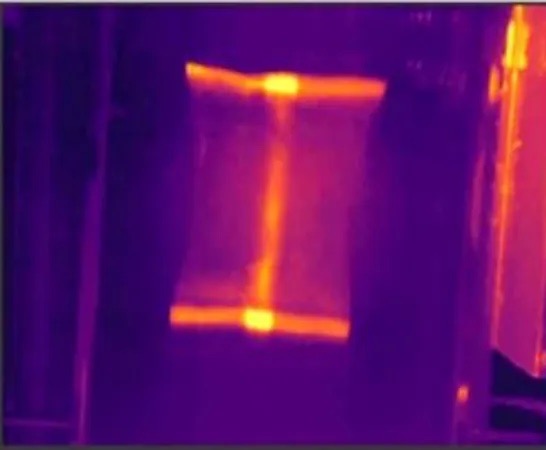
A slightly underfilled tray. A seal that doesn’t fully bond. A trace of product caught where it shouldn’t be. Individually, they seem minor. But multiplied across thousands of units per hour, they turn into waste, rework, complaints and sometimes recalls. And when that happens, it’s not just the business that feels it. Production teams face pressure. Quality managers answer difficult questions. Consumers lose trust.
Many manufacturers still rely heavily on visual inspection to catch these issues. The reality is simple. What you can see is not always what is happening.
The Real Risk on the Filling Line
Filling and sealing are deceptively complex stages as speeds are high, materials vary, and environmental conditions can shift throughout the day. Even minor temperature inconsistencies at the seal point can affect integrity.
Manual inspection and standard vision systems have their place, but have limits; sampling means some packs are never checked. Operators rotate. Fatigue sets in. Opaque or multilayer packaging hides defects that traditional cameras cannot easily detect.
Weak or contaminated seals compromise shelf life and, in the worst cases, food safety, highlighting the importance of seal integrity monitoring.
When an issue escapes the line, the consequences move fast. Production stops, stock is quarantined, and teams work late to contain the damage. But it doesn’t end at the factory gates; products may be pulled from shelves, customers inconvenienced, and in serious cases, consumers put at risk. The financial cost is visible, and the human cost is felt.
Quality Control Without Blind Spots
Thermal imaging adds a different layer of control. Instead of relying on surface appearance, it measures heat distribution as seals are formed and products move through the line.
The Flir A70 Smart Sensor captures detailed thermal patterns at production speed. Variations in temperature highlight underfills, trapped product in the seal area and inconsistent sealing pressure, even through opaque or printed packaging.
This is not sampling. It is continuous, 100 per cent in-line inspection. Every pack. Every cycle. No sampling gaps. Defects can be rejected immediately, before they progress further downstream or leave the facility, reducing surprises.
From Checking to Controlling
When thermal inspection is integrated into existing control systems, quality shifts from reactive checking to process control.
Data feeds directly into the plant’s existing platforms, creating a clear, auditable record and supporting HACCP and BRCGS requirements. Edge processing ensures decisions happen instantly, without slowing the line.
For operations teams, the impact is practical and measurable:
- Less product giveaway
- Fewer seal-related rejects
- Reduced rework and downtime
- Stronger compliance documentation
- Greater confidence during audits
Most importantly, it reduces the stress that comes with uncertainty. When operations teams can see exactly what is happening at the seal point, they make decisions earlier and have confidence that the process is under control.
Protecting More Than Product
In food and beverage manufacturing, quality failures are not just technical events. They affect people, putting reputation at risk and undermining consumer confidence.
Filling Line and Seal Inspection using thermal imaging closes a critical gap. It verifies fill levels and seal integrity on every unit without adding manual workload or slowing production.
Because quality assurance should not depend on chance, eyesight, or end-of-line discovery, it should be built into the process, protecting product, performance and, most importantly, people.
Clamp-On Ultrasonic Flow Meter
For contactless measurement of demanding process liquids
Measurement & Instrumentation

The new WIKA FLC-CS4 from the ClampSonicTM instrument series features a contactless clamp-on design. When mounted on the outside of a pipe, the instrument can measure flow non-invasively in both directions. The transducers use the properties of sound waves to safely and efficiently monitor corrosive, abrasive and highly viscous liquids. Ultrasonic technology ensures high accuracy over a wide measuring range. Additional measurement parameters that can be recorded include temperature, density, concentration and calorific value. This makes the flow meter a comprehensive solution for various applications, including retrofits and sampling inspections. Typical application areas are, for example, mining, paper production, the food and beverages industry, heating, ventilation and air-conditioning or water and wastewater infrastructure.
Keyless operation
The FLC-CS4 can be easily configured via an intuitive user interface – thanks to integrated Wi-Fi from a remote location as well as directly in the field. With the WIKA WebApp, operators can keep track of their measured data at any time. The user interface clearly displays selected parameters for two streams together with detailed measurement information. Real-time diagnostics displaying waveform data and installation parameters ensure seamless process monitoring. Instead of physical keys, the instrument is operated with touch and gesture control. Moreover, it features a full-colour, high-resolution IPS LC display providing optimal readability under direct sunlight.
The flow meter is available in two versions: a wireless version and a field version. Both versions include an electronic unit and two transducers. The field version also comes with a power supply and communication box, enabling seamless integration into PLC (programmable logic controller) ecosystems. This allows for an isolated power connection and trouble-free communication in the field.
Signal Converter for Electromagnetic Flow Sensors
4-wire signal converter for applications with MPO technology for intelligent signal processing
Measurement & Instrumentation
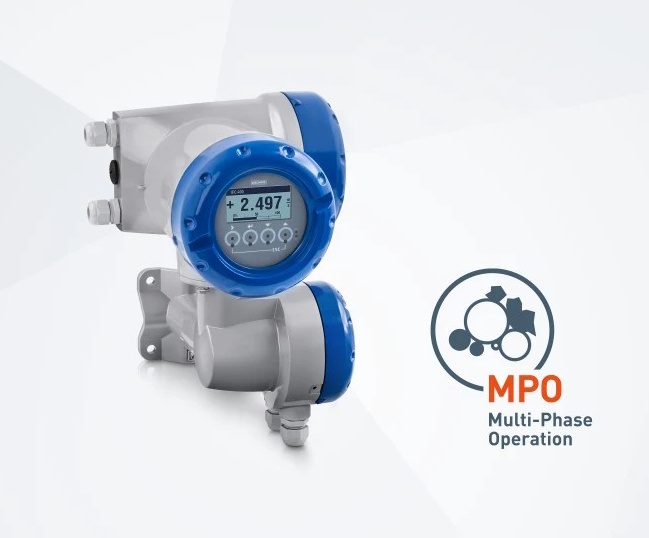
The Krohne IFC 400 signal converter is designed for use with the proven sensors of the OPTIFLUX and WATERFLUX families. Typical areas of application include the chemical and petrochemical industries, water and wastewater applications, the food and beverage industry, and the mining and energy sectors. It is specifically aimed at demanding processes requiring highest measurement accuracy, advanced process and device diagnostics, and wireless device verification. In addition to enhanced self- and process diagnostics provided by the integrated OPTICHECK technology, it offers a NAMUR NE 107 status indication and a wide range of communication options.
Mobile monitoring and parametrisation app
Parametrisation, monitoring and verification of the field device can be carried out via Bluetooth. Using the OPTICHECK Mobile App or a DTM, for example, Level 0 or Level 1 verification can be performed during operation. A detailed verification report is generated automatically.
Stabilising measurements with MPO
A particular highlight is the integrated Multi-Phase Operation (MPO) technology. In many applications, process conditions do not meet the ideal requirements for electromagnetic flow measurement. Gas entrainment, solids content or electromagnetic disturbances often lead to signal instability or even measurement failure.
This is where the IFC 400’s MPO technology steps in: intelligent signal processing algorithms stabilise the measurement process and enable continuous measurement with stable, repeatable readings, even under the challenging process conditions described.
Integrated Automated Partial Proof Testing
The IFC 400 is SIL2/3-certified for use in safety instrumented systems and is available in both compact and remote versions. Thanks to the integrated Automated Partial Proof Testing functionality, the device can be partially tested by the safety system in SIL mode up to a test coverage of 75%, significantly contributing to extended proof test intervals.
The combination of high measurement stability, advanced diagnostic capabilities and the new MPO technology represents a significant step forward in electromagnetic flow measurement – particularly for demanding applications.
Economical and Reliable Solution for Measuring Moisture in Bulk Solids
Ensuring quality and consistency in plastic manufacturing and recycling processes
Measurement & Instrumentation

With the launch of the DewTector®, Coperion introduces an innovative moisture measuring device designed to provide reliable, automated online measurements of surface moisture content in bulk materials, particularly plastic pellets. The patent-pending device offers an economical, simple and reliable method to help plastic manufacturers and recyclers monitor moisture levels more efficiently. It addresses a critical challenge faced by processors in maintaining both product quality and maintaining compliance with industry standards.
The DewTector uses a straightforward approach ─ it introduces a partial flow of bulk solids into a pressure-tight product chamber. The system determines the moisture content by analyzing the moisture released into the airflow. As the air absorbs moisture, it is analyzed by a hygrometer that measures only water content. This targeted detection ensures reliable results unaffected by other substances or changes in material composition. The system neither requires extensive calibration, nor the use of chemicals for different materials or recipes, making it easy to operate and maintain. The system achieves an accuracy of +5% to −15% across moisture levels ranging from several thousand ppm to a few hundred ppm, with up to ten measurements per hour.
Challenges of plastics moisture measurement
Plastic manufacturers often face the challenge of moisture entering their final products, which can originate from various sources such as insufficient drying, defective water separators, leaking wash nozzles, or environmental factors like rain and condensation. If moisture levels go undetected, it can lead to costly product complaints and reputational damages. Additionally, processors must adhere to strict moisture content limits to ensure high-quality output, and the recycling sector requires dry input materials for effective processing.
Traditionally, moisture measurement has been labor-intensive and prone to inaccuracies, often relying on sporadic manual assessments of relative humidity in bags and containers. Existing automated methods, such as capacitive and microwave resonance techniques are typically complex, expensive, and require extensive calibration for different formulations, making them impractical for many users.
By simplifying moisture measurement and reducing the labor and time spent on manual sampling and analysis, the DewTector enhances operational efficiency while providing accurate, real-time data critical for process control.
PEX Liners for Magnetic Flow Meters
Durable, abrasion-resistant performance for flow meters without PFAS-related compliance issues
Measurement & Instrumentation

Emerson announced the release of PEX liners for its Rosemount™ 8750W Magnetic Flow Meter, Rosemount 8705 Flanged Magnetic Flow Meter and Rosemount MS Magnetic Flow Meter sensors designed for water/wastewater and other slurry or abrasive applications. The new PEX liner gives users a longer lasting, PFAS free and more cost-effective flow meter solution that simplifies stocking and compliance while improving reliability in chemically aggressive conditions.
Addressing PFAS-concerns
Existing liner solutions have relatively poor wear resistance to both chemical attack and abrasive slurries, emitting harmful chemicals as they wear. These solutions are also expensive to purchase and maintain, with liner flaring often occurring if meters are not installed promptly or removed temporarily and then reinstalled. Existing solutions also present stocking and inventory challenges because different applications require different liner types, an issue compounded by their relatively high cost. To address these issues, Rosemount magnetic flow meters now provide a PEX liner option that is not available from other suppliers. This exclusivity enables end users to address per- and polyfluoroalkyl substances (PFAS) concerns and durability challenges, without changing measurement technology or suppliers.
High abrasion resistance
PEX liners formulated without PFAS help end users respond to increasing regulatory, environmental and public scrutiny, while maintaining liner performance. This simplifies material selection and stocking compared to fluoropolymer-based liners, as the latter can differ in materials of construction, depending on the application. The PEX liners’ crosslinked molecular structure delivers high abrasion resistance, making it suitable for wastewater, slurries and other applications with entrained solids where liner wear can reduce product life. Even with all these advantages, PEX liners are typically less expensive than alternative solutions. PEX liners are available now for line sizes up to 8 inches, with liners for larger line sizes under development.
Radar Level Meter with High Accuracy
Precise measurement for liquids and solids with 120 meter maximum range
Measurement & Instrumentation

HIKMICRO’s introduces the LRG10 radar level meter series. The high-performance instruments deliver accurate, stable level measurements for demanding sectors, including water management, food and beverage, petrochemical, life sciences and the chemical industry.
At the core of the LRG10 is advanced 80 GHz FMCW (Frequency Modulated Continuous Wave) radar technology, delivering high-resolution level measurements with a small 3° beam angle and accuracy up to ±2 mm. Compared with other radar systems, the LRG10 series provides more focused detection and significantly improved signal clarity, ensuring consistent measurement.
AI-based false echo suppression
With a maximum range of 120 m, the device supports the continuous level monitoring of liquids, slurries, and granular (bulk solid) materials across applications that extend from individual storage tanks to large-scale warehouses and reservoirs. Importantly, HIKMICRO has engineered the instrument for reliability in complex scenarios. A combination of AI-based false echo suppression and intelligent interference shielding enables stable performance in environments featuring dust, steam, agitation, or volatile gases.
Engineered for practical performance
The device can adapt to diverse operational requirements. Multiple antenna configurations and mounting options enable deployment across a broad range of vessels and process conditions, including high-temperature and high-pressure environments. A self-learning algorithm continuously optimizes performance based on real-time data, improving adaptability without manual recalibration. Response times of under a second make the LRG10 series ideal for fast-moving processes like reaction vessels, while low power consumption ensures easy integration into existing infrastructure. Bluetooth-enabled configuration and remote set-up capabilities reduce the time and effort required during installation and commissioning.
A unified industrial platform
The LRG10 series forms part of a comprehensive HIKMICRO industrial platform that unites production control, predictive maintenance, and safety within a single, affordable solution. Combining instrumentation with established capabilities in thermal imaging and acoustic sensing enables customers to monitor processes, detect faults early, and optimize performance through a fully integrated ecosystem.
Clean Water, Plain and Simple: How Reverse Osmosis is Redefining the Future of Water Treatment
Reverse osmosis is known as a traditional method of water desalination, but it is also now a core technology in other applications.
Measurement & Instrumentation

When two aqueous liquids of different salt concentrations are separated by a semi-permeable membrane, a natural force causes the two liquids to mix. This natural force is called ‘osmotic pressure’. The liquid with the lower concentration attempts to pass through the membrane into the liquid with the higher concentration. This process generates a measurable pressure – osmotic pressure.
We are all familiar with this in practice. Ripe fruit tends to burst when it is hit by raindrops. The rainwater, which contains little salt, penetrates the fruit's skin (membrane) and enters the fruit itself, where the juice is more concentrated. This can cause the skin to burst.
In technical applications, the term 'reverse osmosis' (RO) describes the process of reversing osmosis by applying artificial counter-pressure using a pump. In this process, the saltier liquid (the feed) is forced against or through the membrane under high pressure. The membrane separates the permeate (water with a lower salt content) from the concentrate (residual liquid with a high salt content). Through a multi-stage process, the water can be desalinated to achieve ultra-pure quality. The classic membrane module is now designed as a wound spiral module. These modules must be replaced after a certain period of use. This creates a lucrative 'spare parts market', and water desalination using RO is a massive, highly competitive economic sector. However, the ongoing replacement costs and energy costs for the high-pressure pump make the process relatively expensive – but also very effective.
Technical RO is used wherever there is a need to produce purer, lower-salinity process water, drinking water or ultrapure water from existing saltwater sources. Systems today range from mini-plants for domestic or laboratory use, to skid-mounted solutions and mobile stations housed in shipping containers. Large plants with high desalination capacity are becoming increasingly common in areas where there is insufficient groundwater or fresh water. For instance, plants in the United Arab Emirates and India can supply entire neighbourhoods with fresh water. These plants are essentially huge factories. In arid regions, the substantial demand for electrical energy can often be met using solar power or existing natural energy sources, such as oil, gas, hydro power and wind power. A major problem is the large quantities of concentrate produced as a by-product of desalination. This brine cannot be put to practical use economically as it is too expensive compared to natural salt deposits.
In the case of mega-plants in coastal regions, seawater is drawn in from several hundred metres offshore and fed into the desalination plants. The concentrate is then flushed back into the sea via a separate pipeline at a different location. However, land-based plants often result in unsightly piles of dried salt concentrate, and the environmental impact of this has not yet been satisfactorily resolved.
The RO process is just one stage in the desalination of seawater to produce drinking water. Other pre-treatment stages in addition to conventional sand filters include ion exchange, coagulation and flocculation, sedimentation and disinfection. Nevertheless, RO is a highly effective filtration process, capable of removing 90–99% of dissolved solids, salts, pollutants and other impurities. It can even successfully filter out microorganisms, bacteria and viruses from the feed water.
A relatively new application of RO is the removal of PFAS (per- and polyfluoroalkyl substances), which are commonly known as 'forever chemicals'. These problematic substances do not break down naturally in the environment, so they are gradually accumulating in the world’s oceans and groundwater. They can be detected in humans and animals, and long-term exposure to high concentrations can pose a health risk. As these substances are found almost everywhere in our technologized world, a ban is in the pipeline, for example in the form of the EU's PFAS Regulation, and at a global level. However, the problem arises when there is no adequate substitute for the source materials (e.g. certain high-performance polymers, such as PTFE, which is used for the heat-resistant coating in frying pans). It is vital to not only prevent the presence of PFAS, but also to remove existing PFAS from drinking water and wastewater, to stop these substances reaching consumers. Reverse osmosis (RO) is successfully used here as a combined process with upstream activated carbon treatment or ion exchangers.
The world is facing water bankruptcy
Due to the effects of climate change, the world now consumes so much fresh water that it has entered an era of chronic water scarcity. Some regions are no longer able to recover from increasingly frequent water shortages, which are becoming more and more severe.
Around 4 billion people – almost half the world’s population – experience severe water scarcity for at least one month a year and do not have access to enough water to meet their needs. Many more people are experiencing the consequences of water scarcity, including dried-up reservoirs, sinking cities, crop failures, water rationing, and more frequent wildfires and dust storms in arid regions (source: UN).
This underscores the necessity to advance and enhance the performance of water and wastewater treatment processes. In addition to the reduction of water loss due to dilapidated infrastructure, affordable technical desalination solutions – and thus the production of clean water – are an important step forward. Such systems have long been proven effective, whether as a source of drinking water on large ships, as mobile units in disaster and war zones, or sometimes as the only source of water in remote regions of the world. There is a need for compact solutions and robust, tried-and-tested technology that can be easily maintained on site by local staff. To this end, the operational technology of such a system must be optimally coordinated.
The key operating factors in an RO plant are water quality parameters such as pH, electrical conductivity (salinity), pressure, flow rate, and of course the level in the storage tanks. Chlorine or ozone measurements may be necessary for water disinfection, and the optical measurement factor NTU (Nephelometric Turbidity Unit) is also required for turbidity control. RO systems are built to meet water demand, ranging in size from small installations to mega-factories. This is why scalable technology that can be adapted to the required size is ideal. Not all measurements are required, nor are additional specialised measurements always necessary. For the inlet of raw water, inductive electrolytic conductivity measurement is now the standard. Thanks to the maintenance-free measurement principle, high readings and contamination are not a problem, whether the water is seawater, brackish water or general mains water. Depending on the source, readings of up to 100 mS/cm can be expected.
Following the initial filtration stages, the conductivity typically decreases to between 1 and 2 mS/cm, depending on the technology used. The target is to achieve a conductivity of between 200 and 500 µS/cm to ensure good drinking water quality. If even purer water is required for technical rinsing processes or for use as pharmaceutical-grade water, for example, further filtration stages must be incorporated. It is now possible to produce ultrapure Water for Injection (WFI) from seawater with a conductivity of 100 mS/cm, resulting in a final conductivity close to the intrinsic conductivity of water: approximately 0.05 µS/cm at 25 °C. Below 1 mS/cm, therefore, other measurement methods are used, such as the classic Kohlrausch cells for conductive conductivity measurement.
The conductivity measured in the series of connected filtration stages also serves as an indicator of the operational status and efficiency of the various filter and RO modules. Measuring values upstream and downstream of the individual stages enables the performance of the filters to be determined mathematically using a multi-channel data logger such as the JUMO AQUIS touch, or a PLC (e.g. the JUMO variTRON).
Pressure and flow measurements monitor pump performance as well as the condition of the filters. RO systems operate at pressures of around 100 bar, so reliable measurements are essential to ensure that the electrical energy for the pumps is used optimally. In drinking water applications, devices using magnetic-inductive or ultrasonic measurement methods can be used.
For manufacturers of such systems, a one-stop partner is ideal. All measurement and control components are perfectly coordinated, and all consultancy services are provided by a reliable project partner. JUMO is the ideal choice here, thanks to its many years of expertise, its broad product portfolio, and its global presence. In addition to traditional products, services such as pre- and after-sales support and engineering services perfectly complement the offering. The JUMO Cloud solution is ideal for the remote monitoring of decentralised water treatment plants. Remote control, measurement data logging, and remote alarms help to keep water quality under constant surveillance and provide on-site operators with rapid support when needed.
Magnet-Free IE6 Motor for Hazardous Areas
Certification to ATEX and IECEx requirements enables IE6 technology to be deployed in hazardous areas
Equipment & Services, Explosion Protection & Safety, Processing Machinery

ABB offers an IE6 Hyper‑Efficiency motor certified to ATEX and IECEx requirements for use in hazardous areas. The new IE6 Increased safety motor, based on ABB’s magnet- and rare earth- free synchronous reluctance (SynRM) technology, offers up to 60 percent lower energy losses than the IE3 induction motors commonly used in Zones 1 and 2. This enables operators to realize a major boost in energy efficiency and avoided carbon emissions in industries where gas, vapor or dust might be present, such as chemicals, marine, oil & gas, pharmaceuticals and food & beverage.
Fast ROI
The IE6 SynRM Increased safety motor is certified for use with variable speed drives (VSDs) to offer accurate control and high efficiency throughout the whole speed range, even at partial loads. This makes it the ideal upgrade for standard IE3 induction motors in pumps, fans and compressors. Over a typical 20-year service life, the energy savings from switching just one motor up to IE6 would be €87,520, resulting in an eight-month payback period. The saving calculation is based on a 110 kW motor operating 8,760 hours/year at 75 percent average load, with an assumed energy cost of €0.20/kWh. Also emissions of 157,540 kg CO₂ are avoided —equivalent to 37 gasoline powered passenger cars driven for a year.
“With the world’s first IE6 Hyper‑Efficiency SynRM motor for hazardous areas, we now have the ideal solution for customers who must drive down their operating expenses while meeting stringent sustainability targets,” said Stefan Floeck, President IEC LV Motors, ABB.
The new IE6 SynRM Increased safety motor covers ratings from 110 kW, with IE5 versions available for up to 90 kW. As well as increased reliability and reduced maintenance, SynRM technology enables a more cost-effective installation. In Zone 1, cooler running can allow the use of an Increased safety SynRM motor where a Flameproof motor with a special enclosure would be the traditional choice. Furthermore, in Zone 2, the improved loadability of SynRM motors enables more power from the same size as an equivalent induction motor. This could enable a smaller, lower-cost motor to fulfil the same duty.
ABB’s IE6 and IE5 SynRM technology is part of the industry’s broadest portfolio of IEC LV motors for hazardous areas, with induction alternatives up to IE4 efficiency level. Whatever the technology, these motors combine robust construction, high energy efficiency, and reliable operation to deliver trusted performance and certified safety in the most demanding environments.
Robust and Economic Drive Solutions for Environmental Processes
Flexibly adaptable components ensure reliable operation in environmental technology applications
Equipment & Services, Processing Machinery

Whether in sludge treatment, screw pumps, water screws, brush aerators, crushers, shredders or screening systems: Every movement requires the appropriate drive solution. NORD takes care of selection, design and calculation – implementing customisable drive solutions consisting of gear units, motors and frequency inverters. These are characterised by their high reliability, even during 24/7 operation in harsh environments. Furthermore, they are particularly energy-efficient – even in retrofitting, thanks to the NORD ECO service. NORD also offers compact and low-maintenance drive concepts. One example is the SAFOMI adapter with integrated oil expansion volume, which reduces the number of wear parts to a minimum. With the IIoT solution NORD DRIVE MONITOR and condition monitoring, system operators can always keep an eye on their operating data.
A modular system offering numerous solutions
Thanks to its extensive industry expertise and comprehensive modular product system, the manufacturer meets the diverse requirements of the industry. In addition to high performance, robustness, availability, reliability and durability, the drives’ energy efficiency also plays an important role in environmental technology. With its IE5+ synchronous motors, NORD offers high efficiency across the entire adjustment range. This ensures low energy consumption even in the partial‑load range.
NORD drives also meet high mechanical requirements in extreme environments. The 3-stage right-angle gear units of the MAXXDRIVE® XC industrial gear unit series, for example, deliver constant torques of up to 282,000 Nm in water screws. The NSD5 surface treatment and the innovative NORD sealing system provide protection against external influences.
NORD’s decentralised frequency inverters offer another solution for industry-specific requirements. They save space in control cabinets, reduce wiring and cabling efforts and simplify maintenance, thereby increasing the efficiency of the entire drive system. Among other applications, they are suitable for use in pump drive systems. With control via frequency inverter, different pump characteristics can be selected through simple parameter adjustments. The parameter sets are stored in the inverter and enable the pumps to be adapted to different media, flow rates or process requirements.
Standardised Preconfigured Packaging Lines for Accelerated Start of Production
A packaging line that doesn’t require several weeks of installation time? The LIGHTLINE series offers a solution that includes preconfigured machines designed for different packaging tasks – and speedy commissioning.
Processing Machinery

Businesses are facing challenges due to intense competitive pressure and a shortage of skilled workers. Easy-to-use, speedy solutions are essential for survival in the market. Manufacturers who can pack products with a minimum of commissioning effort have a real ace up their sleeve when it comes to accelerating time to market.
Standardised for simplicity
The Lightline series from Gerhard Schubert GmbH offers preconfigured machines for specific product scenarios, providing an extremely efficient solution for simple packaging tasks. The range includes picker lines, flowpackers, cartoners and, most recently, case packers for wrap-around and tray-and-hood applications.
All machine modules consist of TLM standard assemblies. This means customers can expect the quality they have come to know from Schubert, as well as experienced project planning and fast implementation at attractive investment costs. The high degree of standardisation doesn’t impact performance: A lightline cartoner for energy bars, for example, can manage up to 60 boxes or 480 products per minute with single-lane erection of the box blanks.
12-Port-Ethernet-APL Switch
Compact design with approvals for worldwide operations
Automation & Communication

Phoenix Contact is expanding its Ethernet-APL portfolio to include two managed switch versions with twelve ports for process automation. The new Ethernet-APL switches enable the two-wire Ethernet connection of devices and sensors in the Ex zones of process technology applications. This allows sensors and devices from the field level to be connected directly to the system’s Ethernet network. The data from the field level can be used in real time for process control, monitoring, and diagnostics.
Support of power class A
The devices feature optimized firmware user guidance for intuitive configuration, simple startup, and improved diagnostic functions. Their compact, lightweight design enables space-saving installation and in-line mounting in the control cabinet. With support for Ethernet-APL power class A, the switches provide an efficient power supply for field devices. In addition, both versions are approved worldwide and can therefore be used globally in applications for potentially explosive areas. The twelve-port switches help customers use Ethernet-APL in a wider range of greenfield applications – particularly in the chemical and pharmaceutical industries, marine and offshore applications, oil and gas applications, mining, and biomass plants, including demanding Ex environments.
Hardened 95W PoE++ Injector with Multi-Gigabit Support
For use in rugged applicactions from -40 to 75 °C
Automation & Communication

Antaira Technologies announced the INJ-0201X-bt-AC-95-T, an ultra-high power 10 Gigabit Ethernet PoE injector purpose-built to eliminate infrastructure bottlenecks in power-hungry, high-bandwidth industrial networks. Combining 95W PoE++ delivery with full multi-gig copper support up to 10GBase-T, the INJ-0201X-bt-AC-95-T enables single-cable deployment of next-generation machine vision cameras, Wi-Fi 6E/7 access points, and intelligent PTZ surveillance systems—even in the harshest industrial environments.
Most industrial facilities, factories, warehouses, and buildings have readily available AC outlets or wiring. With integrated AC input, the INJ-0201X-bt-AC-95-T eliminates the requirement for a separate external DC power supply, adapter, or converter, simplifying installation, reducing components, and lowering costs. AC input allows plug-and-play setup where grid power is present, avoiding the need to source or maintain specific DC voltages, such as 12V, 24V or 48V batteries or solar power.
Engineered for Critical Applications
The INJ-0201X-bt-AC-95-T delivers wire-speed 10Gbps throughput across dual RJ45 copper interfaces while simultaneously providing up to 95 watts of IEEE 802.3bt-compliant power. This unique combination addresses the escalating demands of industrial automation and security infrastructure, where devices increasingly require both extreme bandwidth for 4K/8K video streams and substantial power for motorized optics, IR illuminators, and edge AI processing.
The INJ-0201X-bt-AC-95-T eliminates costly compromises in PoE-structures of either sacrificing bandwidth for adequate power or running separate power cables, delivering 10-gigabit speeds alongside 95 watts of reliable PoE++ power in a hardened package rated for -40°C to 75°C operation and IP40-rated protection. The IEC C14 power input socket provides universal compatibility with standard power infrastructure, while dual mounting options (DIN-rail and wall-mount) enable rapid deployment in equipment cabinets, outdoor enclosures, and space-constrained installations.
Greater Safety Without a Locking Fluid
In the chemical industry, one thing matters more than anything else when pumping sensitive liquids: safety. If the diaphragm of a pneumatic double-diaphragm pump wears out and ruptures, the pumped medium must not leak into the surrounding environment or come into contact with foreign substances. It is precisely to meet this requirement that Timmer has developed a new isolation chamber system that operates without a barrier fluid, thereby significantly simplifying maintenance, handling and operation.
Pumps, Valves & Compressors

“Our aim was to specifically optimise the well-known system-related drawbacks of existing isolation chamber systems and thereby sustainably increase process reliability,” says Stefan Anstöter, Key Account Manager for chemical pumps at Timmer. Pneumatic double-diaphragm pumps are frequently used where other pump technologies reach their limits: with changing media, difficult pumping conditions or sensitive applications in the chemical industry.
Double-diaphragm pumps are subject to normal wear and tear resulting from operation. The diaphragm is the component that is subjected to the greatest stress. The barrier chamber was developed to enable the early detection of wear and to prevent any potential leakage of the fluid.
New design without a barrier fluid
Conventional barrier chamber systems operate using a neutral liquid between two diaphragms. This substance serves both to transmit force and to detect leaks. Anstöter explains: “The barrier agent must be precisely matched to the specific medium.” Depending on the medium being pumped, the conductivity of the neutral fluid must be taken into account and the sensor system individually calibrated. “This is labour-intensive and makes maintenance and servicing unnecessarily complicated,” says Anstöter.
Timmer therefore takes a different approach: there is no liquid between the two diaphragms, but rather a dry barrier chamber. Force transmission is mechanical. Philipp Lange works as sales manager for process pumps at Timmer. He explains: “We use this mechanical principle in our high-pressure pump series, so we already had the solution in-house.”
Not only is the technical complexity reduced, but the new principle also increases the pump’s flexibility. Changing media or mobile applications can be implemented more easily because no adjustment to the barrier fluid is required.
Immediate leak detection
If the media-side diaphragm ruptures, the pumped medium first enters the barrier chamber. There, a moisture sensor identifies even the smallest quantities of liquid and can stop the process immediately. “Leak detection using moisture sensors is technically much simpler, as fluids in the barrier chamber are detected directly and no complex calibration or sensor adjustment to the monitored fluid is required,” explains Lange.
In addition, the pump can be fitted with a pressure sensor. It monitors the barrier chamber for pressure increases and detects if the air-side diaphragm is damaged and compressed air could enter the medium. Anstöter explains: “This not only protects the surrounding area from escaping media, but also prevents foreign substances from entering the process.”
This is an enormous advantage, particularly in sensitive applications. After all, it is not only leaking chemicals that pose a risk; even the tiniest impurities in the medium can render entire batches unusable.
Significantly less maintenance work
The new system also offers advantages in terms of servicing. As there is no barrier fluid, numerous upkeep and inspections steps are no longer required. “With conventional systems, the chambers have to be filled, vented and then precisely adjusted,” explains Anstöter. “With our system, servicing is essentially mechanical: clean, replace the diaphragms, reassemble, and you’re done.” This saves time and significantly reduces the workload, particularly in chemical parks where pumps are often maintained by in-house specialist staff.
Suitable for mobile applications and hazardous areas
In addition to stationary applications, the pump is also suitable for mobile use. In chemical parks, pumps are often mounted on trolleys to flexibly transfer or pump different media. “Particularly with mobile applications, you often don’t know exactly which medium will be pumped next,” explains Anstöter. “In such cases, it is a major advantage not to have to adjust the barrier fluid.”
Timmer also offers mechanical versions without electronic sensors for this purpose. Lange says: “The system then operates entirely without additional electronics. The user can immediately see via the sight glass and/or pressure gauge whether everything is in order.” The mobile units are also designed for use in areas with potentially explosive atmospheres.
Already in use in the field
The first systems are now in operation at established chemical companies. For Timmer, this is an important step towards establishing the new concept in the demanding chemical industry. With the new barrier chamber system, Timmer demonstrates that high process reliability, simple maintenance and flexible application options can be combined without incurring additional technical operating and maintenance costs.
A
ABB Ltd 12 Antaira Technologies Sp. Z O.o. 14C
Coperion Gmbh 9E
Emerson Automation Solutions - Systems 9F
FLIR SYSTEMS TRADING BELGIUM 7G
Gerhard Schubert GmbH Verpackungsmaschinen 13 Getriebebau NORD GmbH & Co. KG 12H
HIKMICRO 10J
K
Krohne Messtechnik GmbH 8P
Phoenix Contact GmbH & Co. KG 14T
Timmer GmbH 15W
WIKA Alexander Wiegand SE & Co. KG 8TIMGlobal Media BV
177 Chaussée de La Hulpe, Bte 20, 1170 Brussels, Belgium
o.erenberk@tim-europe.com - www.pcne.eu
- Editorial Director:Orhan Erenberko.erenberk@tim-europe.com
- Editor:Kay Petermann k.petermann@tim-europe.com
- Associate Publisher:Marco Marangonim.marangoni@tim-europe.com
- Production & Order Administration:Francesca Lorinif.lorini@tim-europe.com
- Website & Newsletter:Marco Prinarim.prinari@tim-europe.com
- Marketing Manager:Marco Prinarim.prinari@tim-europe.com
- President:Orhan Erenberko.erenberk@tim-europe.com
Advertising Sales
Tel: +41 41 850 44 24
Tel: +32-(0)11-224397
Fax: +32-(0)11-224397
Tel: +32 (0) 2 318 67 37
Tel: +49-(0)9771-1779007
Tel: +39-02-7030 0088
Turkey
Tel: +90 (0) 212 366 02 76
Tel: +44 (0)7594 239 182
John Murphy
Tel: +1 616 682 4790
Fax: +1 616 682 4791
Incom Co. Ltd
Tel: +81-(0)3-3260-7871
Fax: +81-(0)3-3260-7833
Tel: +39(0)2-7030631
- PCN Europe WebMag August 2026 Essential source of information for professionals in the broad field of processing industries since 2004
- PCN Europe WebMag July 2026 Essential source of information for professionals in the broad field of processing industries since 2004
- PCN Europe WebMag May 2026 Essential source of information for professionals in the broad field of processing industries since 2004
- PCN Europe March 2026 WebMAg Essential source of information for professionals in the broad field of processing industries since 2004
- PNC Europe WebMag January 2026 Essential source of information for professionals in the broad field of processing industries since 2004
- PCN Europe December 2025 WebMag Essential source of information for professionals in the broad field of processing industries since 2004
- PCN Europe WebMag October 2025 Essential source of information for professionals in the broad field of processing industries since 2004
- PCN Europe WebMag August 2025 Essential source of information for professionals in the broad field of processing industries since 2004
- WebMag PCN Europe July 2025 Essential source of information for professionals in the broad field of processing industries since 2004
- PCN Europe WebMag April 2025 Essential source of information for professionals in the broad field of processing industries since 2004
- WebMag January/February 2025 Essential source of information for professionals in the broad field of processing industries since 2004
- PCN Europe WebMag August 2024 Essential source of information for professionals in the broad field of processing industries since 2004
- WebMag PCN Europe July 2024 Essential source of information for professionals in the broad field of processing industries since 2004
- PCN Europe WebMag May 2024 Essential source of information for professionals in the broad field of processing industries since 2004
- PCN Europe WebMag January/February 2024 Essential source of information for professionals in the broad field of processing industries since 2004