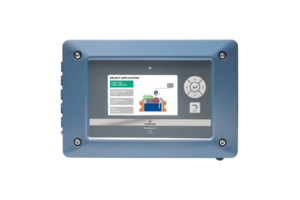
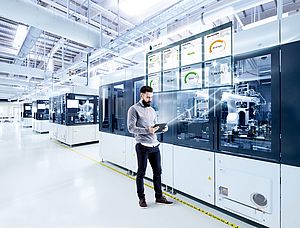
Wizard guided user support for process optimisation and enhanced sustainability
Today, the majority of consumer goods and everyday items are made from petroleum-based plastics. In Germany alone, around six million tonnes of plastic waste is generated every year. About half of this is mechanically recycled into new materials; the rest is used for energy recovery. The incineration of this waste results in the release of CO2, a greenhouse gas. It is therefore important to keep more plastics in the material cycle for climate and environmental reasons. Eight Fraunhofer Institutes are developing new ideas and processes to significantly improve the mechanical recycling rate of plastics as part of the Waste4Future flagship project.
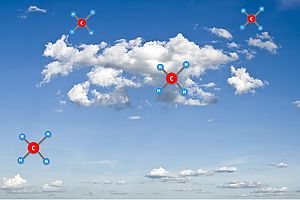
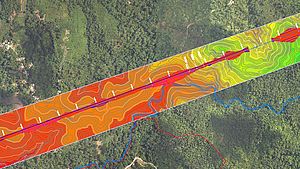
Methane emission regulations and reduction targets such as “Fit for 55” transform the technology used for pipeline shutdown
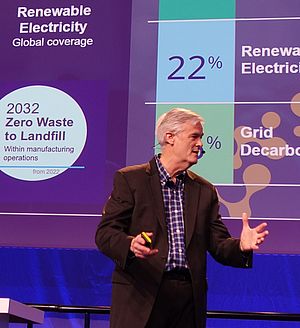
In the keynote at Emerson Exchange 2024 in Düsseldorf, Emersons’s Chief Sustainability Officer Mike Train and Chief Technology Officer Peter Zornio spoke about different aspects of their company's and customer's sustainability journey
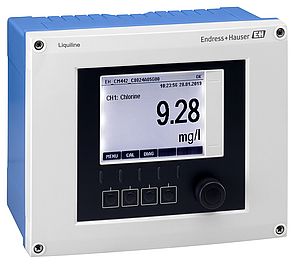
Water management is an increasingly important and challenging issue, particularly in light of concerns such as water scarcity. Greater value is thus being placed on disinfection processes. To protect against bacteria, viruses and other harmful organisms, drinking water requires disinfection and hygiene measures. This also applies to the environment in order that lakes and water-based activities can be enjoyed without hesitation. Disinfection processes play a large role in industrial processes as well. In the beverage industry, drinking water flows directly into the products, while surface waters are frequently used as a coolant in other segments such as energy generation.
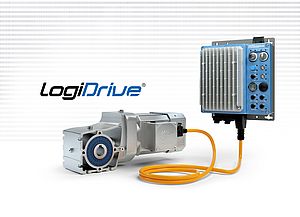
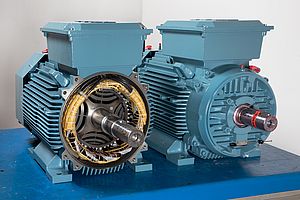
Industry-optimised drive concepts with low weight and compact dimensions
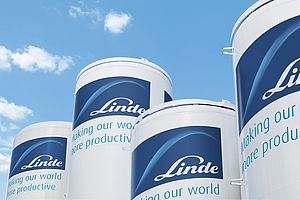
Linde starts up supply of clean hydrogen and captured carbon dioxide to Celanese
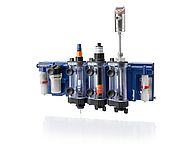
For accurate, low maintenance measurement online water analysis system
Expansion adds large-scale flow chemistry market expertise to the Japanese solution provider
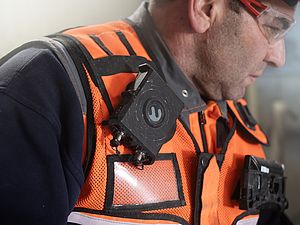
Concrete producer PRO BETON’s lone worker protection equipment has incorporated Wearin's IoT solution, which alerts the control center in the event of an accident and detects falls with unrivalled reliability.
One focus will be on development of new processes for chemical recycling of plastic waste
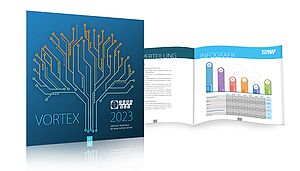
The document reports to stakeholders on the progress that the Yokogawa Group has achieved toward its “Three goals” for sustainability, in accordance with the company's raison d'etre set out in the Yokogawa's Purpose statement.
At SPS – Smart Production Solutions 2023, the CC-Link Partner Association (CLPA) announced new products and services for the development of safety devices with CC-Link IE TSN connectivity. This addition to the existing offering, supported by CLPA members Mitsubishi Electric and Neuron Automation, will help drive the implementation of highly effective, convergent industrial automation applications for functional safety.
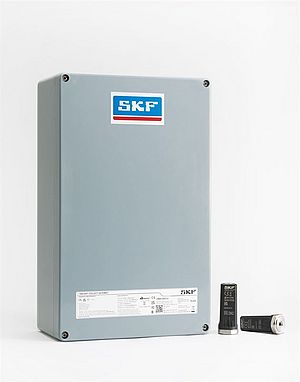
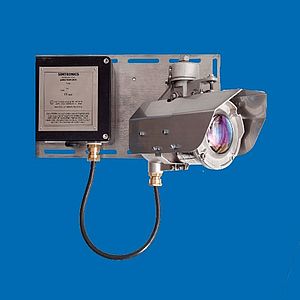
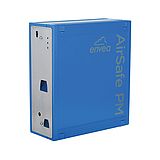
Condition monitoring of assets in hazardous areas
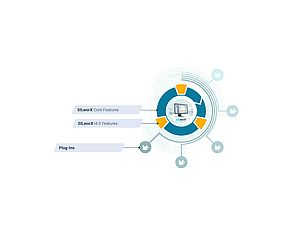
Simplified collaborative engineering for automation projects
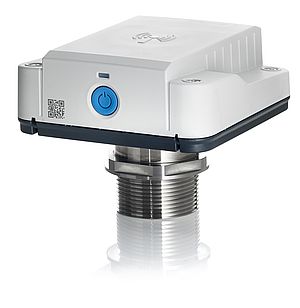
Supply chain optimization with wireless level measurement: The IIoT radar sensor measures fill levels in mobile tanks, containers and silos. The values are sent to the cloud so that they are available at any time and from anywhere. Close cooperation with users of the innovative sensor has led to further expansion of its fields of application since its market introduction three years ago.
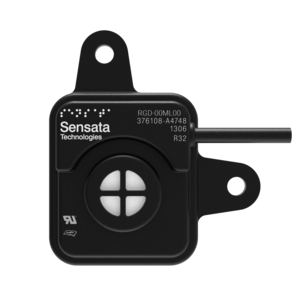
Leak Detection Sensor Certified for Multiple HVAC Refrigerants
Yokogawa has joined the Common Vulnerabilities and Exposures (CVE) Program as a CVE Numbering Authority (CNA). As of October 24, 2023 (USA), the company is authorized to assign CVE IDs to cybersecurity vulnerabilities for Yokogawa Group companies' products and Yokogawa Group subsidiaries' products.
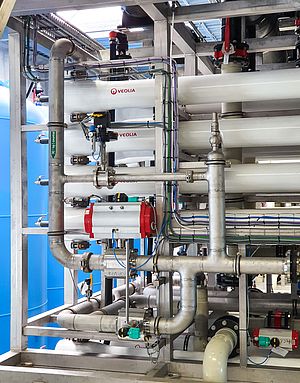
Veolia Water Technologies has built an ultra-modern plant to produce drinking water in Ostend, Belgium. In a multi-stage filtration process, the water supplier is now producing drinking water of excellent quality – far above the statutory requirements. At critical points of the process – during reverse osmosis, filtration with activated carbon and remineralisation of the water – sliding gate valves made by Schubert & Salzer Control Systems are responsible for regulating pressure and flow rate.
How can mining companies make their operations more sustainable to reduce their environmental footprints? One element that can be perfectly adapted to match the conditions is the efficient transport of the mined material. Here overland conveyors that can move large quantities of material over long distances are required. BEUMER Group relies on modern planning and layout tools to support operators at an early stage of the project and design the ideal conveying solution together with the customer.
GEA supplies Britvic, one of UK’s leading soft drinks manufacturers, with a heat recovery system at its Beckton site, in London. The installation begins this summer and will result in cutting the factory’s carbon emissions by an estimated 1,200 tons annually – equivalent to the annual energy usage of around 500 UK homes.
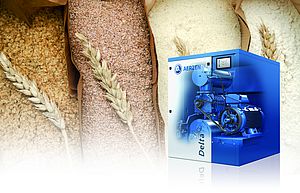
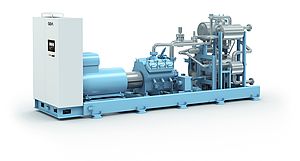
Pneumatic conveying processes have a key function in the material flow of many industrial companies and place correspondingly high demands on blower technology, with efficiency, reliability and purity of the conveying air particularly in focus.
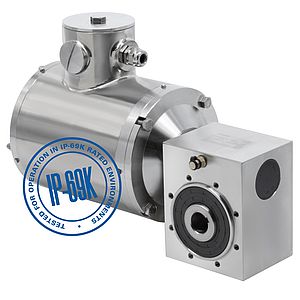
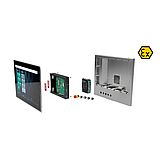
Corrosion resistant, non-ventilated units meet highest protection standards
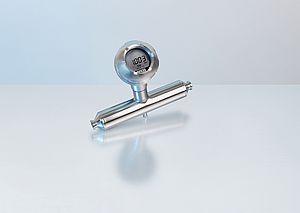
For level measurement in a hygienic environment
For increases cost efficiency amd lower lead times
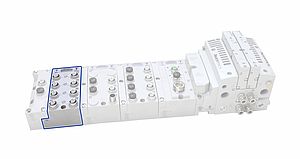
Reduced complexity and installation effort with a single-cable solution for both power and data transmission
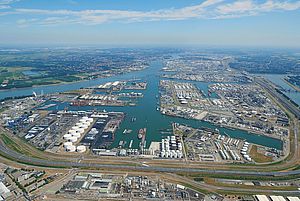
Port of Rotterdam and Yokogawa kick off feasibility study for optimization of efficient energy use
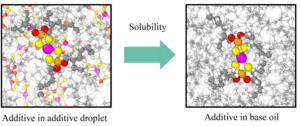
Mechanical bearings and gearboxes — like those used in electric vehicles and wind farms — are often treated with lubricants to avoid friction and wear. The voltage the components might be under impairs the effectiveness of the lubricants to such a degree that the tribological contacts are damaged. As part of the Lube.Life joint research project, researchers at the Fraunhofer Institute for Mechanics of Materials IWM have developed a virtual lubricant lab, which can be used to predict the effects of electrical fields on lubricant stability.
As a pillar of the global economy, the process industry is facing major challenges: high energy consumption and high use of fossil fuels, rising energy costs and stricter legal regulations make the decarbonization of the industry increasingly urgent. In order to achieve CO2 reductions and higher energy efficiency in their own operations, it is essential that companies drive the digitalization and automation of their entire production process. Author: Axel Lorenz, CEO Process Automation, Siemens
Saving Energy in potentially explosive environments
Possible reduction of hardware costs on G3 fieldbus platform
Seamless location and documentation of fugitive gas emissions
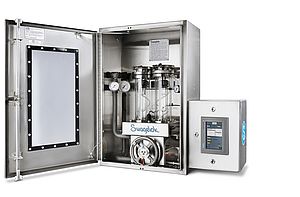
Design features offer a solution for common challenges associated with manual sampling
Report Shows Need for Higher Degrees of Individual Customer Service on Complex Networks
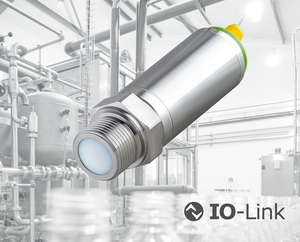
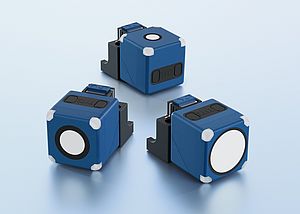
Flexible and versatile sensor for easy integration
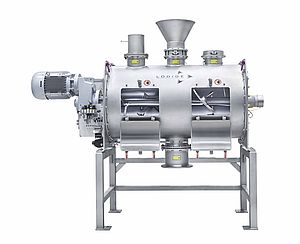
Reduced energy consumption and cleaning effort for sterile processes
New version with high-performance error diagnosis
For compressed air consumption measurement and avoidance of losses due to leakages and inefficiencies
Gas detection with full SIL2 3rd party approval for safety related applications
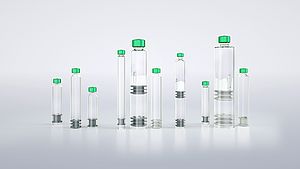
What does an ambitious contract manufacturer need when customers wish to expand their orders? Exactly, new equipment! The Malmö-based Swedish company Rechon has been a reliable partner to many pharmaceutical producers for decades, from clinical trials through to commercial production. The current trend towards cartridge filling is a good reason for Rechon to continue the successful relationship with Syntegon.
Digital Edition Download PDF