We use cookies to provide you with personalized services and improve our website. More info Ok
Making the perfect match for your application
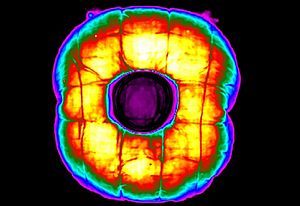
Fraunhofer LBF investigates degradation process of polyethylene
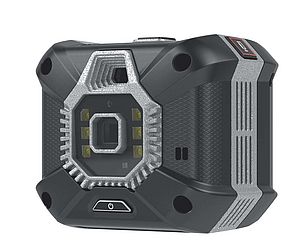
Intrinsically Safe Camera for Hands-Free Collaboration in Zone 1/21 und Div. 1
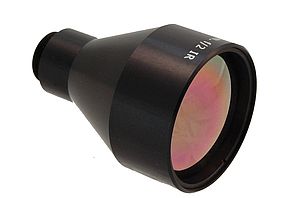
High performance D-mounts with anti-reflective coatings
An interview with Mark Pontin, Managing Director of Resolve Optics about the decisions that have to be made for the best optical inspection results.
Emerson and Repsol collaborate to help energy producers execute digital transformation with leading subsurface technologies
Danaher will acquire it for $21.4 billion
Pocket-size food scanner developed by German researchers
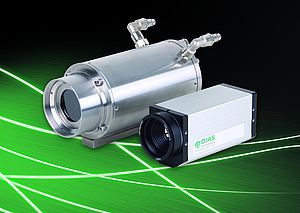
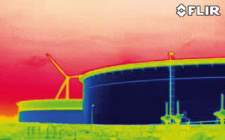
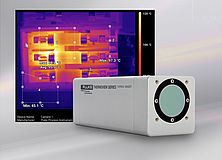
Non-contact temperature measurement can be used Non-contact temperature measurement can be used Non-contact temperature measurement can be used in rough industrial environments
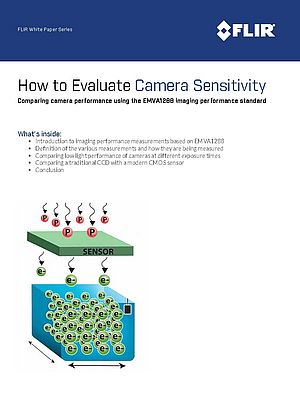
How to compare and select cameras based on the imaging performance data following the EMVA1288 standard
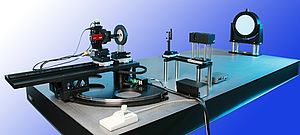
In its UK optical assembly facility, Resolve optics introduced an automated modulation transfer function, a distortion test centre, and a precision lens system centring station
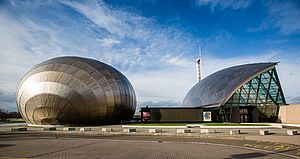
Glasgow Science Centre (GSC) is on course to deliver its latest interactive exhibition, Idea #59, which will inspire the next generation of innovators, engineers and scientists by exploring AI, Big Data, Robotics, Advanced Manufacturing and IoT
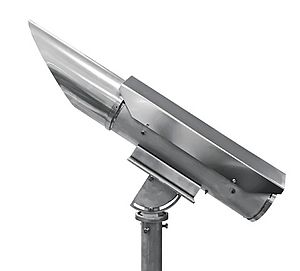
For continuous pilot flame monitoring
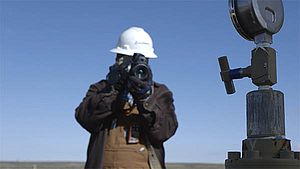
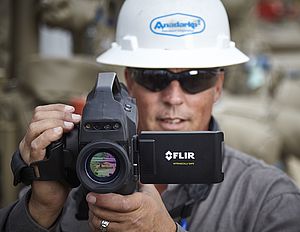
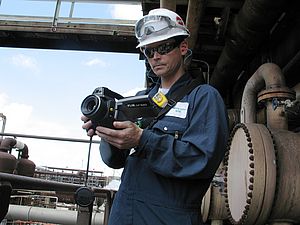
Visual inspection technology leading supplier Inspectahire selected Flir GFx320 for maintenance inspections and hydrocarbon detection jobs, in hydrocarbon production plants
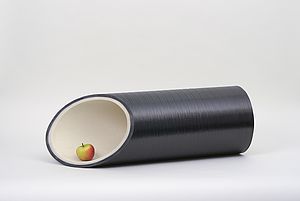
The Fraunhofer Institute for Production Technology IPT led the EU research project “ambliFibre” focusing on the manufacturing of special pipes and pressure vessels able to withstand the extreme conditions for oil and gas transport in ultra deepwater
Flir's infrared readout integrating circuits (ROICs) and new strain layer superlattice (SLS) detector materials
'Discover how you can use infrared technology for gas detection' is the subject of this live online tutorial that provides an overview of how infrared technology is successfully used for gas leak detection
Flir's infrared technology can visually demonstrate vehicle emissions and the resulting air pollution issues, contributing to raise awareness of the potentially fatal impacts of air pollution
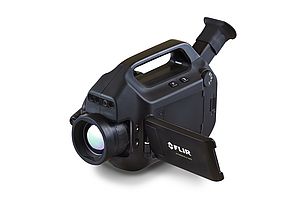
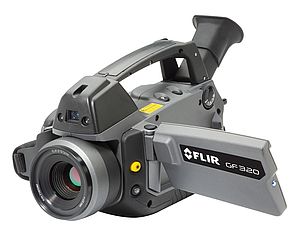
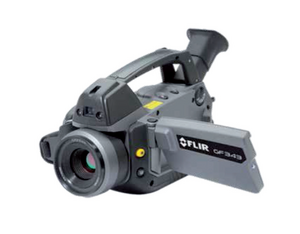
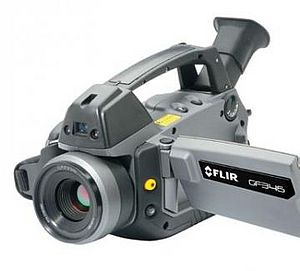
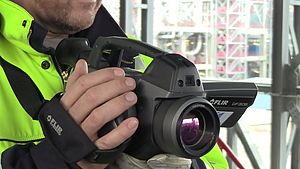
The new FLIR GFx320 optical gas imaging camera detects and visualizes invisible hydrocarbon gas emissions, such as methane, and common volatile organic compounds (VOCs) found at oil and natural gas facilities
They are able to scan areas and detect gas emissions
To scan large areas remotely and help inspectors to safely pinpoint the source of fugitive emissions and begin the repair process immediately
Infrared gas detection cameras used in chemical production processes need to visualize fugitive gas leaks easily and quickly to prevent dangerous and costly situations. Optical gas imaging technology is often a safe solution
Although technology has evolved since much of the equipment in the power generation sector was manufactured, it is possible to improve reliability and efficiency by remanufacturing certain components as part of the regular maintenance program
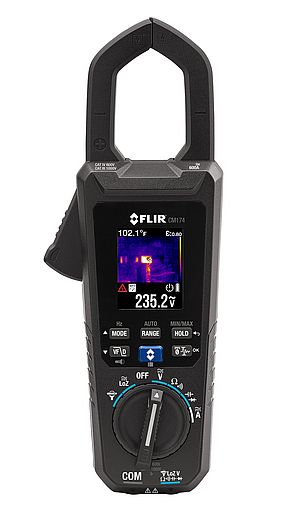
The FLIR CM174 600A AC/DC Clamp Meter has a built-in thermal camera that powers the FLIR IGM technology
This special award for "Young Enterprise" was won by the developer team of Dr. Rachel Wang Ruiqi from Singapore for the development of the 4D microscope camera for biomedical applications "d'Bioimager"
Designed to spot leaks in piping, flanges and connections for all offshore Oil & Gas leak detection
Flir Systems added two new members to its wide range of cameras for machine vision and industrial safety
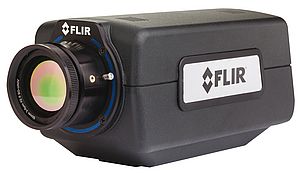
Incorporating a Strained Layer Superlattice (SLS) detector that operates in the 7.5 to 9.5 micron waveband, the FLIR A6750sc SLS is able to capture all pixels from a target simultaneously in less than 190 microseconds
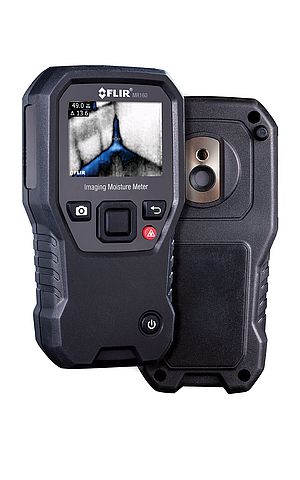
With the ability to instantly and efficiently pinpoint potential moisture issues which are represented visually in the thermal image
published by FLIR Systems, this handbook provides an informative introduction to discover thermal imaging applications advances
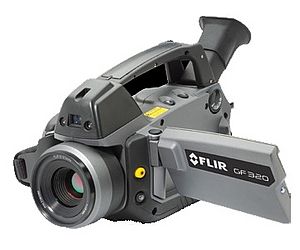
The Dutch Environmental Protection Agency (DMCR) is shown in an applications report and video describing how it is using a FLIR Systems GF320 Optical Gas Imaging (OGI) camera to uphold regulations regarding fugitive gas emissions
can scan large areas rapidly and pinpoint leaks in real time
contributes to standardizing Measurement and Units
for non-invasive monitoring of leaks
to check for SF6 leaks
for any bulk materials
for thermal inspections
in waste water plant
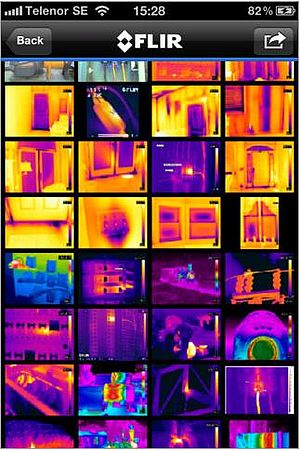
intuitive application for Apple and Android phones and tablets
at improves environment and safety
Digital Edition Download PDF