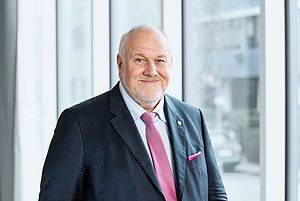
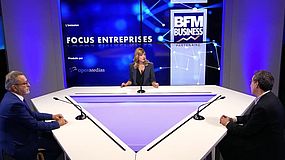
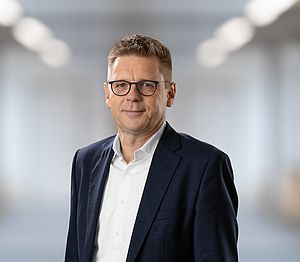
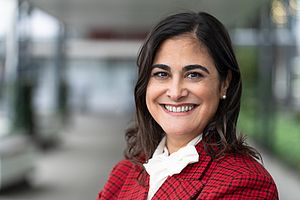
Growth in incoming orders, sales, profit and employment reported for 2023 by Matthias Altendorf and Luc Schultheiss
Ethernet APL is a game changer for networking at field level – especially for the process industry. It offers consistent networking with a single protocol, high speeds for cable lengths of up to 1000 metres and intrinsic safety for areas at risk of explosion.
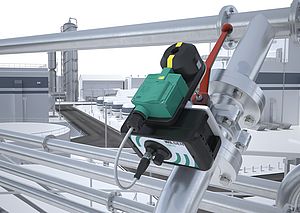
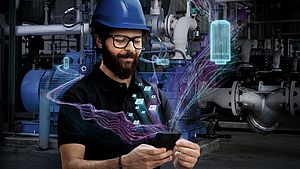
Digital Plant Asset Management is a topic that often comes up in discussions about process engineering facilities. Today, while intelligent field devices might be the standard, system owners have yet to exploit their full potential. To provide the connectivity needed, Softing offers the right solutions with the smartLink product family.
At the event from April 22 to 26 the new format points the way to a carbon-neutral industrial society
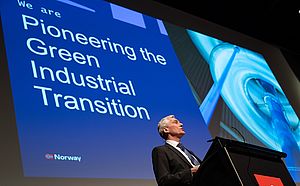
With the headline “pioneering the green industrial transition”, Norway will showcase products and solutions from cutting-edge industries including CCS, hydrogen, batteries and AI and machine learning from April 22 to 26, 2024.
Today, the majority of consumer goods and everyday items are made from petroleum-based plastics. In Germany alone, around six million tonnes of plastic waste is generated every year. About half of this is mechanically recycled into new materials; the rest is used for energy recovery. The incineration of this waste results in the release of CO2, a greenhouse gas. It is therefore important to keep more plastics in the material cycle for climate and environmental reasons. Eight Fraunhofer Institutes are developing new ideas and processes to significantly improve the mechanical recycling rate of plastics as part of the Waste4Future flagship project.
Software is playing a crucial role in the value chain optimization
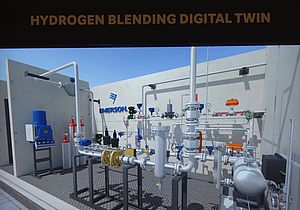
The hydrogen industry needs to scale up quickly and needs a transport infrastructure for that. Wouldn’t it be great if the existing grid could be used?
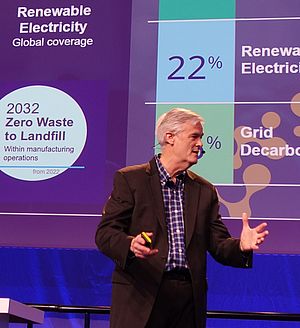
In the keynote at Emerson Exchange 2024 in Düsseldorf, Emersons’s Chief Sustainability Officer Mike Train and Chief Technology Officer Peter Zornio spoke about different aspects of their company's and customer's sustainability journey
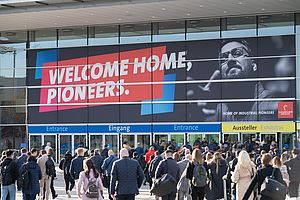
PCN Europe spoke to Hubertus von Monschaw, Global Director Trade Fair and Product Management HANNOVER MESSE at Deutsche Messe AG, about the current challenges facing the industry and HANNOVER MESSE 2024.
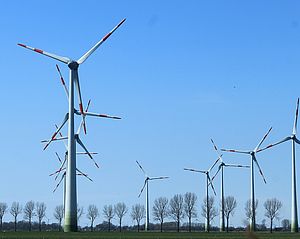
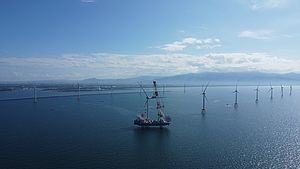
Optimization of offshore wind turbines and onshore facilities for Japan’s largest wind farm
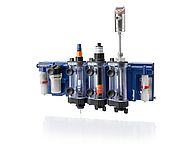
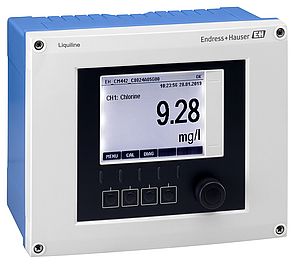
Water management is an increasingly important and challenging issue, particularly in light of concerns such as water scarcity. Greater value is thus being placed on disinfection processes. To protect against bacteria, viruses and other harmful organisms, drinking water requires disinfection and hygiene measures. This also applies to the environment in order that lakes and water-based activities can be enjoyed without hesitation. Disinfection processes play a large role in industrial processes as well. In the beverage industry, drinking water flows directly into the products, while surface waters are frequently used as a coolant in other segments such as energy generation.
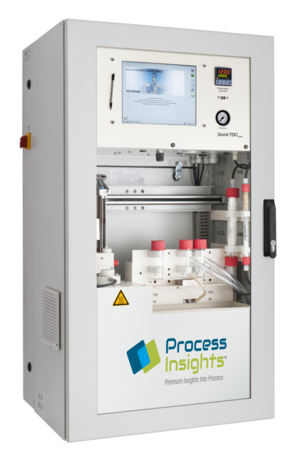
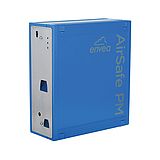
Effective monitoring of oil in water for petrochemistry and other areas
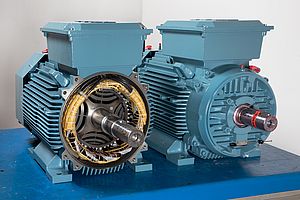
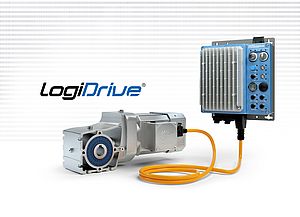
Industry-optimised drive concepts with low weight and compact dimensions
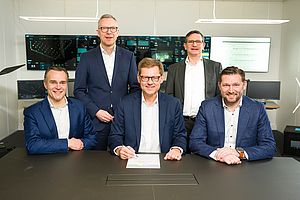
The HIMA Group, the German supplier of safety automation solutions, has acquired the Norwegian technology company Origo Solutions. The agreement was signed on 8 January and is effective as of 31 January
Linde starts up supply of clean hydrogen and captured carbon dioxide to Celanese
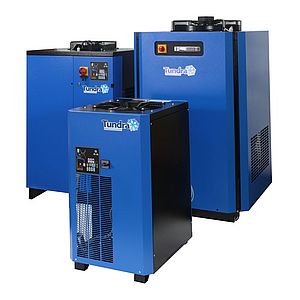
Supporting sustainability goals with zero ozone depleting potential
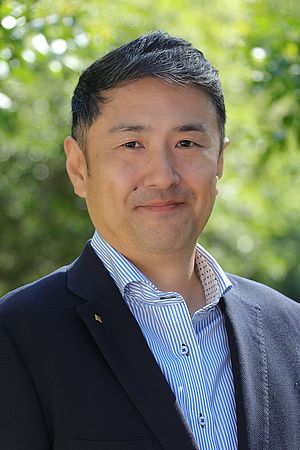
Seita Hagihara Takes Over as President of Yokogawa Europe
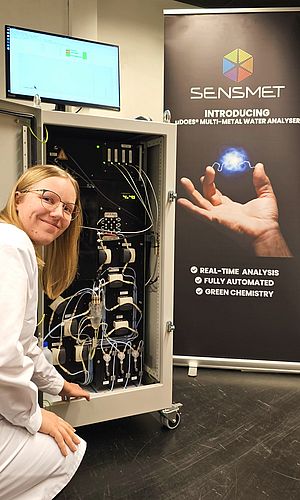
Exciting opportunity for real-time measurements in a metals refinery
One focus will be on development of new processes for chemical recycling of plastic waste
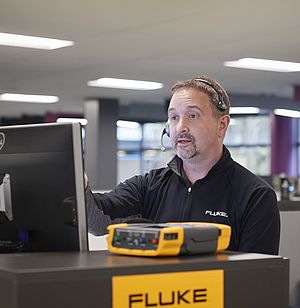
New range of tools for maintenance duties included in customer care plans
Autonomous Wireless Sensor Nodes Provide Data via LoRaWAN
Competence Centre for Power Electronics strenghtened by setting up 500 state-of-the-art workplaces
German sensor company SICK and Swiss measurement and automation technology specialist Endress+Hauser want to intensify their cooperation. By bundling their strengths, the companies are striving to provide even better support for their customers in important areas such as energy and resource efficiency and protection of the climate and environment.
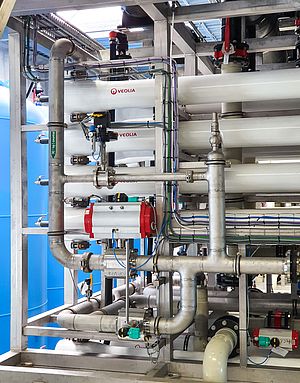
Veolia Water Technologies has built an ultra-modern plant to produce drinking water in Ostend, Belgium. In a multi-stage filtration process, the water supplier is now producing drinking water of excellent quality – far above the statutory requirements. At critical points of the process – during reverse osmosis, filtration with activated carbon and remineralisation of the water – sliding gate valves made by Schubert & Salzer Control Systems are responsible for regulating pressure and flow rate.
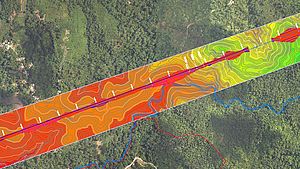
How can mining companies make their operations more sustainable to reduce their environmental footprints? One element that can be perfectly adapted to match the conditions is the efficient transport of the mined material. Here overland conveyors that can move large quantities of material over long distances are required. BEUMER Group relies on modern planning and layout tools to support operators at an early stage of the project and design the ideal conveying solution together with the customer.
For the first time, the Nobel Sustainability Trust (NST) and the Technical University of Munich (TUM) are presenting an award for outstanding research and development work in the fields of sustainable energy and climate change economics. The first two honorees of the "Sustainability Award supported by NST" are Prof. Elena Bou of EIT InnoEnergy for her contributions to promoting energy start-ups, and Lord Nicholas Stern, Professor at the London School of Economics and Political Science, for his achievements relating to the economic aspects of climate change.
GEA supplies Britvic, one of UK’s leading soft drinks manufacturers, with a heat recovery system at its Beckton site, in London. The installation begins this summer and will result in cutting the factory’s carbon emissions by an estimated 1,200 tons annually – equivalent to the annual energy usage of around 500 UK homes.
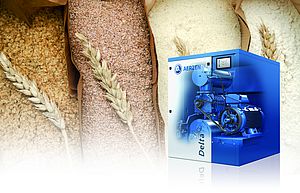
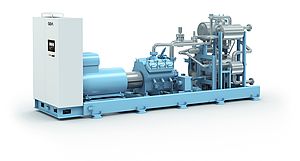
Pneumatic conveying processes have a key function in the material flow of many industrial companies and place correspondingly high demands on blower technology, with efficiency, reliability and purity of the conveying air particularly in focus.
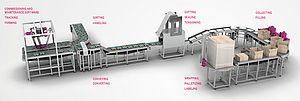
Food and packaging machinery pose special challenges for drive and automation solutions. Functional safety concepts are of particular importance to overcome these challenges.
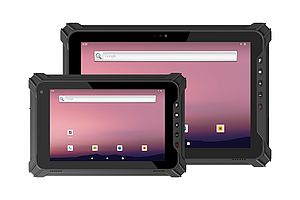
Mil-Standard devices available with different operating systems for versatile scenarios
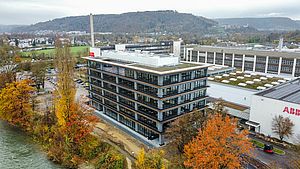
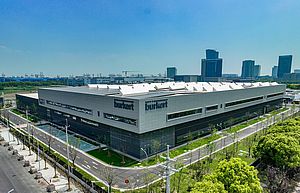
The new Bürkert building complex in Taicang Port, in the east of the People’s Republic of China, was officially opened at a inauguration ceremony on 11 October 2023. With the new building, Bürkert Fluid Control Systems is strengthening its position in the Asian area and can therefore support customers more closely on site.
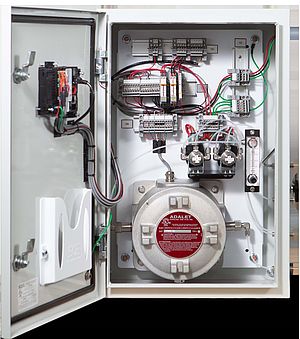
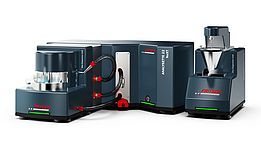
Two-in-One Analyzer for measuring hydrogen sulfide (H2S) and carbon dioxide (CO2) as part of quality and process control
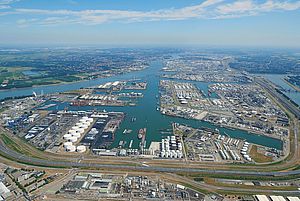
Port of Rotterdam and Yokogawa kick off feasibility study for optimization of efficient energy use
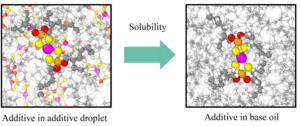
Mechanical bearings and gearboxes — like those used in electric vehicles and wind farms — are often treated with lubricants to avoid friction and wear. The voltage the components might be under impairs the effectiveness of the lubricants to such a degree that the tribological contacts are damaged. As part of the Lube.Life joint research project, researchers at the Fraunhofer Institute for Mechanics of Materials IWM have developed a virtual lubricant lab, which can be used to predict the effects of electrical fields on lubricant stability.
Long Ridge Energy is one of the world’s first power plant operators to blend hydrogen with natural gas at scale. Measurement technology plays a critical role in paving the way for the decarbonization of the energy industry.
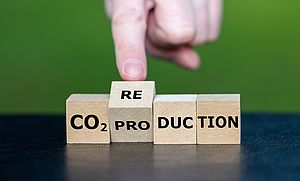
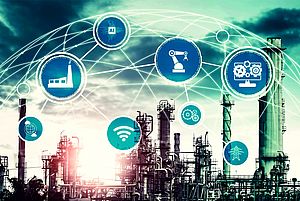
As a pillar of the global economy, the process industry is facing major challenges: high energy consumption and high use of fossil fuels, rising energy costs and stricter legal regulations make the decarbonization of the industry increasingly urgent. In order to achieve CO2 reductions and higher energy efficiency in their own operations, it is essential that companies drive the digitalization and automation of their entire production process. Author: Axel Lorenz, CEO Process Automation, Siemens
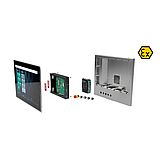
Saving Energy in potentially explosive environments
Schenck Process repositions itself with focus on digital solutions and sustainable bulk solids processes
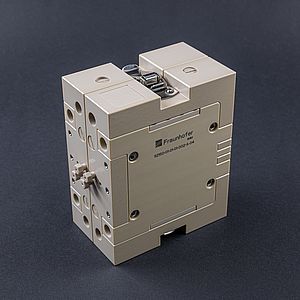
Electrochemical processes like water electrolysis will become increasingly important in the future in light of climate change and the resultant need for an energy and raw materials transition. The Fraunhofer Institute for Microengineering and Microsystems IMM is collaborating with hte GmbH to develop modular electrochemical cells. These flow cells are used in screening tasks, thereby helping optimize electrochemical production processes, such as water electrolysis.
Digital Edition Download PDF