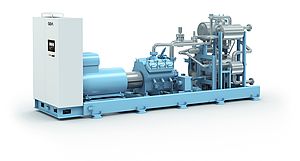
The new concept introduces complete speed control for an MV motor in a single energy efficient package for pumps, compressors, fans and other applications across multiple industries
Reduction of capital and operating costs in offshore systems above and below water
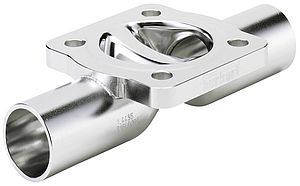
For fluid control applications in sectors such as pharmaceuticals as well as food & beverage production, manufacturers can increase productivity and reduce costs while helping to meet their sustainability objectives by integrating improved control valves. Hydroformed valve bodies for diaphragm valves achieve high strength and light weight. This makes hydroformed valve bodies far more energy efficient compared to forged or cast designs, and the manufacturing process is inherently more sustainable too.
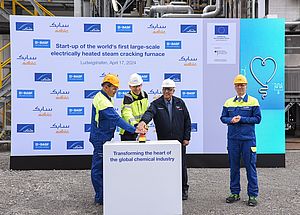
Joint development and construction of electric steam cracking furnaces at BASF’s Verbund site in Ludwigshafen. The technology has the potential to reduce CO2 emissions by at least 90% compared to conventional steam crackers.
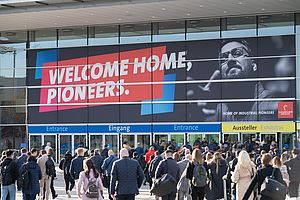
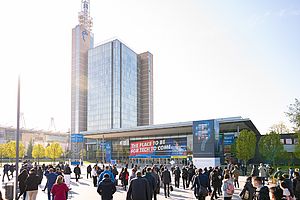
More than 130,000 visitors from 150 countries, 4,000 exhibiting companies, 300 startups and over 300 economic and political delegations from all over the world. These are the figures that emphasise the fair's position again after five successful days.
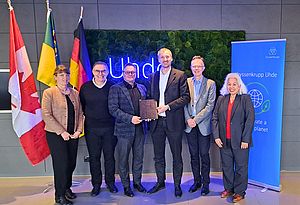
thyssenkrupp Uhde and Genesis Fertilizers announce Pre-FEED for integrated ammonia/urea/UAS/UAN plant
At the event from April 22 to 26 the new format points the way to a carbon-neutral industrial society
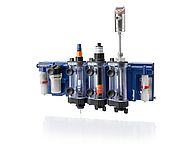
For easier access to diagnostic data of sensors
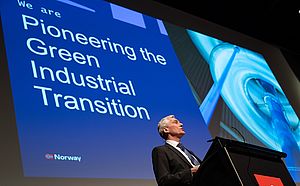
With the headline “pioneering the green industrial transition”, Norway will showcase products and solutions from cutting-edge industries including CCS, hydrogen, batteries and AI and machine learning from April 22 to 26, 2024.
Today, the majority of consumer goods and everyday items are made from petroleum-based plastics. In Germany alone, around six million tonnes of plastic waste is generated every year. About half of this is mechanically recycled into new materials; the rest is used for energy recovery. The incineration of this waste results in the release of CO2, a greenhouse gas. It is therefore important to keep more plastics in the material cycle for climate and environmental reasons. Eight Fraunhofer Institutes are developing new ideas and processes to significantly improve the mechanical recycling rate of plastics as part of the Waste4Future flagship project.
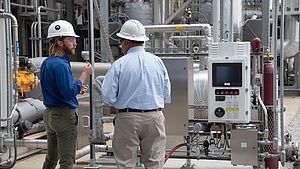
Methane emission regulations and reduction targets such as “Fit for 55” transform the technology used for pipeline shutdown
Software is playing a crucial role in the value chain optimization
The hydrogen industry needs to scale up quickly and needs a transport infrastructure for that. Wouldn’t it be great if the existing grid could be used?
Under the heading "Forging Tomorrow – Unleashing the Industrial AI Benefits", a panel on the assessment of artificial intelligence by experts from the industry took place at the Emerson Exchange.
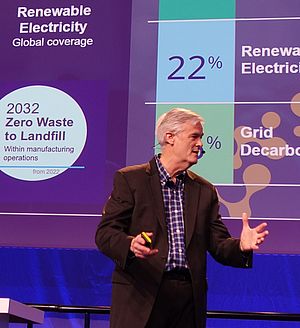
In the keynote at Emerson Exchange 2024 in Düsseldorf, Emersons’s Chief Sustainability Officer Mike Train and Chief Technology Officer Peter Zornio spoke about different aspects of their company's and customer's sustainability journey
PCN Europe spoke to Hubertus von Monschaw, Global Director Trade Fair and Product Management HANNOVER MESSE at Deutsche Messe AG, about the current challenges facing the industry and HANNOVER MESSE 2024.
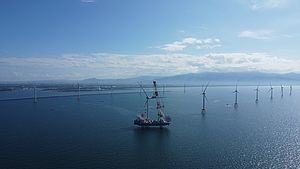
Optimization of offshore wind turbines and onshore facilities for Japan’s largest wind farm
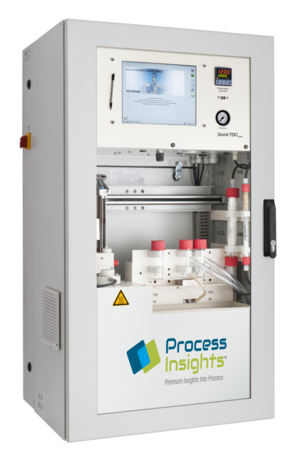
Effective monitoring of oil in water for petrochemistry and other areas
Linde starts up supply of clean hydrogen and captured carbon dioxide to Celanese
Seita Hagihara Takes Over as President of Yokogawa Europe
One focus will be on development of new processes for chemical recycling of plastic waste
Hyperspectral cameras for four GHGSat satellites set to launch in 2024
Competence Centre for Power Electronics strenghtened by setting up 500 state-of-the-art workplaces
Leak Detection Sensor Certified for Multiple HVAC Refrigerants
German sensor company SICK and Swiss measurement and automation technology specialist Endress+Hauser want to intensify their cooperation. By bundling their strengths, the companies are striving to provide even better support for their customers in important areas such as energy and resource efficiency and protection of the climate and environment.
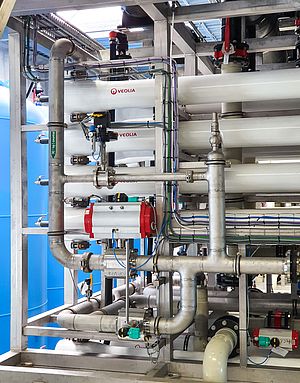
Veolia Water Technologies has built an ultra-modern plant to produce drinking water in Ostend, Belgium. In a multi-stage filtration process, the water supplier is now producing drinking water of excellent quality – far above the statutory requirements. At critical points of the process – during reverse osmosis, filtration with activated carbon and remineralisation of the water – sliding gate valves made by Schubert & Salzer Control Systems are responsible for regulating pressure and flow rate.
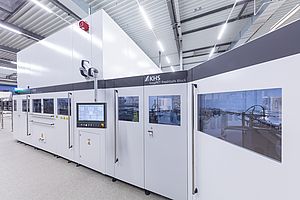
To date, the KHS coating of wafer-thin, chemically pure glass on the inside wall of PET bottles was primarily applied to improve the quality and shelf life of sensitive soft drinks and juice. VILSA-BRUNNEN Otto Rodekohr GmbH is now the first mineral water bottling plant to profit from Plasmax technology. The family business is consistently investing in its product quality and the long-lasting freshness protection of its premium beverages – and in doing so is setting standards on the market.
Photometer with UV-absorption-based measurement principle
GEA supplies Britvic, one of UK’s leading soft drinks manufacturers, with a heat recovery system at its Beckton site, in London. The installation begins this summer and will result in cutting the factory’s carbon emissions by an estimated 1,200 tons annually – equivalent to the annual energy usage of around 500 UK homes.
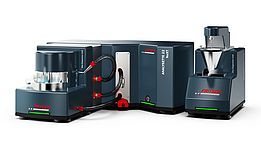
Two-in-One Analyzer for measuring hydrogen sulfide (H2S) and carbon dioxide (CO2) as part of quality and process control
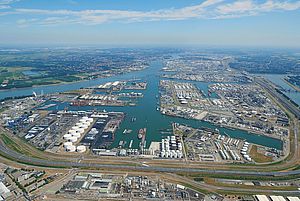
Port of Rotterdam and Yokogawa kick off feasibility study for optimization of efficient energy use
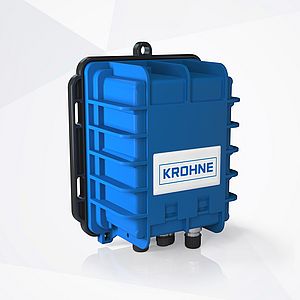
Data integration into customer SCADA system, data logging and storage for maintenance
Long Ridge Energy is one of the world’s first power plant operators to blend hydrogen with natural gas at scale. Measurement technology plays a critical role in paving the way for the decarbonization of the energy industry.
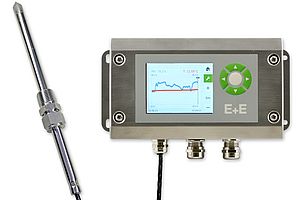
Heatable sensing element offers accurate measurements and guarantees long-term stability
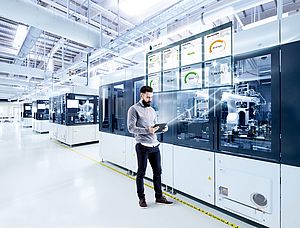
As a pillar of the global economy, the process industry is facing major challenges: high energy consumption and high use of fossil fuels, rising energy costs and stricter legal regulations make the decarbonization of the industry increasingly urgent. In order to achieve CO2 reductions and higher energy efficiency in their own operations, it is essential that companies drive the digitalization and automation of their entire production process. Author: Axel Lorenz, CEO Process Automation, Siemens
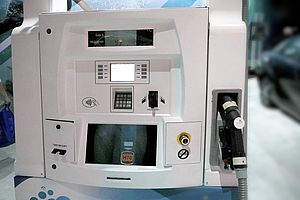
With the increase in hydrogen mobility, the network of refuelling stations is densifying. The sector is investing heavily into the infrastructure. This creates a significant demand for measurement technology, mainly to ensure the safety of the refuelling process.
Seamless location and documentation of fugitive gas emissions
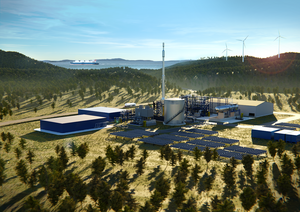
Study to support the development of project in Australia to develop a green energy supply chain with proprietary Uhde methodology
For compressed air consumption measurement and avoidance of losses due to leakages and inefficiencies
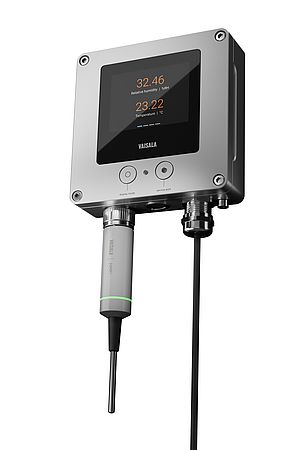
With display for local data visualisation
Digital Edition Download PDF