Polyurethanes (PUR) are found in many products, such as upholstered furniture, foam or insulation materials, flooring, paints and even medical catheter tubes. The production of these high-demand plastics, however, relies on toxic isocyanate. Fraunhofer researchers have now developed an alternative production process using harmless dicarbamate.
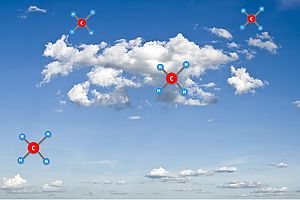
As the world urgently seeks ways to decarbonise, James Clements from Signal Group explains how gas analysis will perform a vital role – particularly in carbon capture, and not just for CO2 but for all of the important greenhouse gases.
Endress+Hauser is once again among the three finalists for this year’s German Sustainability Award (GSA) in the measurement and control technology sector.
Agriculture is facing major challenges today. Climate change, increasing demands on sustainability and the pressure to achieve higher yields with lower resource consumption require innovative solutions. Greenhouses offer a controllable environment that can be made even more efficient through technological advances such as the Industrial Internet of Things (IIoT).
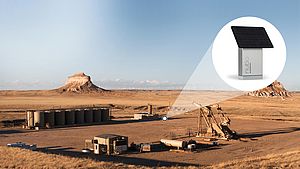
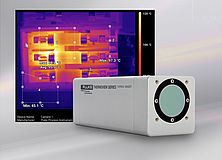
Maintaining Compliance with the European Union Methane Emissions Reduction 2024/1787 Ruling Requires Quantitative Optical Gas Imaging
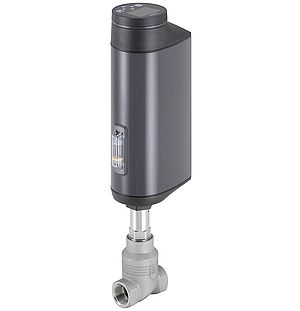
Solenoid pilot-operated valves designed for high-pressure applications help to comply with regulations
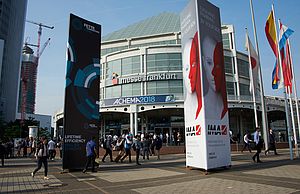
In the process of transforming our economy and society towards greater sustainability and climate neutrality, green chemistry can make a decisive contribution. Fraunhofer scientists are playing a key role in supporting industry with practical solutions. At ACHEMA, the world's leading trade fair for the international process industry, 10-14 June, they will present a selection of their current projects and research results at Fraunhofer Stand D49 in Hall 6.0.
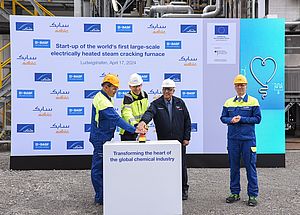
Joint development and construction of electric steam cracking furnaces at BASF’s Verbund site in Ludwigshafen. The technology has the potential to reduce CO2 emissions by at least 90% compared to conventional steam crackers.
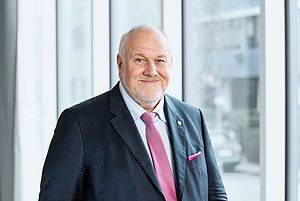
Growth in incoming orders, sales, profit and employment reported for 2023 by Matthias Altendorf and Luc Schultheiss
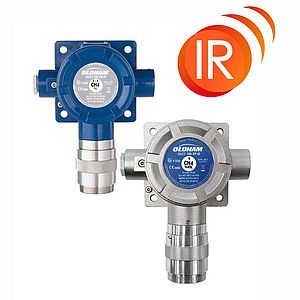
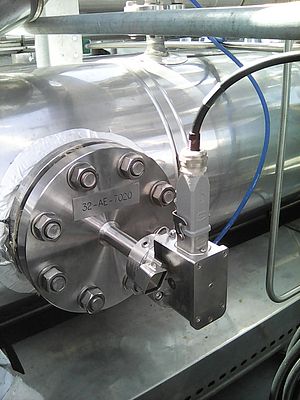
Cost-Effective Infrared Sensor for Fixed Gas Detector
Today, the majority of consumer goods and everyday items are made from petroleum-based plastics. In Germany alone, around six million tonnes of plastic waste is generated every year. About half of this is mechanically recycled into new materials; the rest is used for energy recovery. The incineration of this waste results in the release of CO2, a greenhouse gas. It is therefore important to keep more plastics in the material cycle for climate and environmental reasons. Eight Fraunhofer Institutes are developing new ideas and processes to significantly improve the mechanical recycling rate of plastics as part of the Waste4Future flagship project.
Methane emission regulations and reduction targets such as “Fit for 55” transform the technology used for pipeline shutdown
The document reports to stakeholders on the progress that the Yokogawa Group has achieved toward its “Three goals” for sustainability, in accordance with the company's raison d'etre set out in the Yokogawa's Purpose statement.
Hyperspectral cameras for four GHGSat satellites set to launch in 2024
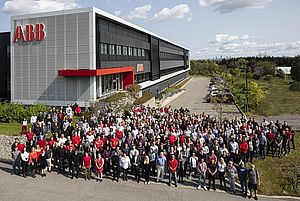
Established in 1973, today the ABB factory in Quebec, Canada manufactures market leading products for industrial analytical measurement.
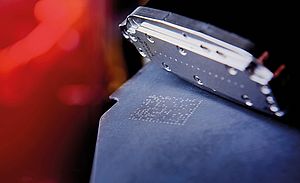
German Fraunhofer researchers have developed an extremely heat-resistant ceramic-based ink. For the first time, this enables metal components processed in the automotive industry at temperatures over 1,000 °C to be marked with a code. This opens up wide-ranging possibilities for designing process chains in the industry more efficiently and reducing their carbon footprint significantly.
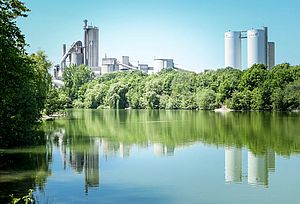
First test phase under real condition starts at cement plant in Beckum, Germany
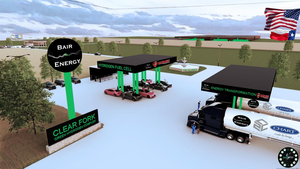
Alliance supports development of 1 GW liquified hydrogen facility, set to produce up to 132,000 kg of green hydrogen per day by 2028
Ammonia could play a decisive role in the transition from fossil fuels to climate-friendly alternatives if produced from green hydrogen. Researchers at the Fraunhofer Institute for Microengineering and Microsystems IMM are developing ammonia-based systems for a mobile, decentralized energy supply in the infrastructure, transportation and industry sectors.
The decarbonization of energy systems has seen greater interest in the production, distribution and use of hydrogen. To ensure it can become a viable business, custody transfer for hydrogen is essential and this is now being made possible using the latest generation of measurement technologies, as Ricardo Mendes, Global Product Line Manager, ABB explains.
Waste heat from cooling water system to be used as a low-carbon energy source for steam production. Feasibility study to investigate project at Ludwigshafen site
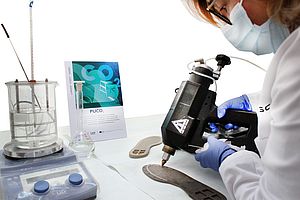
The Spanish PUCO2 Project, led by AIDIMME, AIMPLAS and INESCOP, uses R&D to fight the problem of global warming caused by greenhouse gas emissions.
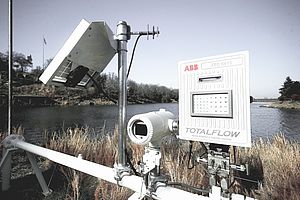
A year-long industry study of the European Gas Research Group (GERG)shows that Raman analysis proves its worth in LNG custody transfer
User-friendly applications for a wide range of process engineering operations
All days of the fair will be covered with speakers and interesting topics
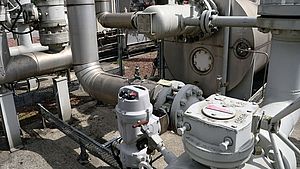
Part-turn intelligent electric actuators have been installed in several gas pressure reducing stations in Belgium to provide reliable flow control without the release of undesirable greenhouse gas emissions.
Novozymes and Saipem enter agreement to create a more sustainable CO2 capture
BASF Renewable Energy GmbH will focus on renewable power supply for BASF’s European sites
Reliable Measurement of Methane with Different Sensor Elements
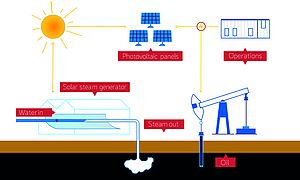
AS-Schneider valves are being successfully used at the Amal oilfield in Oman which uses steam generated at the Miraah solar thermal facility. Steam injection is a common enhanced oil recovery method.
Reliable leak location for minimization of emissions
Thermal dispersion mass flow monitoring for dry seal centrifugal gas compressors
Plastic waste redirected into production cycles, distinct greenhouse gas reduction with product properties unchanged
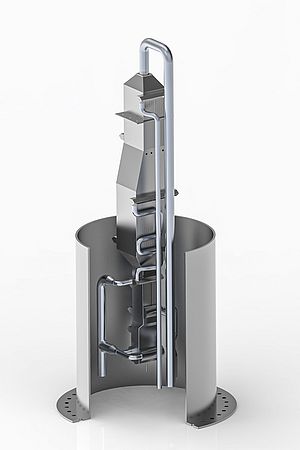
As the importance of reducing CO2 emissions continues to increase, companies are developing new technologies that will enable this on an industrial scale. In the case of C-Capture, perfecting the carbon capture process requires precise solvent control.
Bühler and Vyncke form strategic partnership to offer low-carbon-emissions food plants
Strategic partnership for industrial use of low-CO2 technologies with focus on hydrogen production, heat pumps and power grid upgrade
Optimization of biogas production with continuous measurement of methane and CO2
Agricultural Applications will benefit from expanded novel NOR® technology platform capacity strengthens BASF’s position in light stabilization.
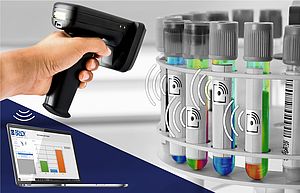
RFID Temperature Labels for wireless reading and monitoring for a wide range of devices and equipment
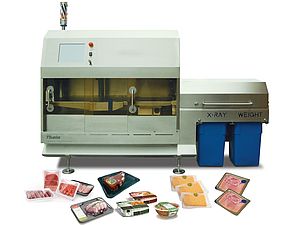
Precision weighing and quality control inspection technology is an important element in any processing operation. Reducing giveaway and ensuring food safety both remain significant contributors to profitability.
Digital Edition Download PDF