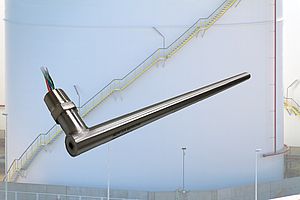
200 ms response time for maximised process performance and reliability
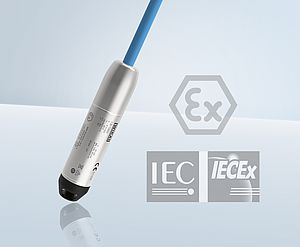
Hydrostatic level measurement in hazardous areas
Hanna Lundin, product engineer at Emerson, explains in this article how simplified tank monitoring system architectures make it more feasible for companies to implement an automated solution to improve their inventory management, increase safety and efficiency.
ELGi Compressors Europe, a subsidiary of ELGi Equipments Limited announced the transformative operational results achieved by its customer, Guttsta Källa AB, a century-old Swedish natural mineral water producer. By implementing a high-performance ELGi compressed air solution, Guttsta Källa has dramatically increased its production throughput while delivering substantial annual energy savings of 120,000 kWh, positioning the company for continued growth in the premium Swedish bottled water market.
Robust technology monitors the most challenging wastewaters
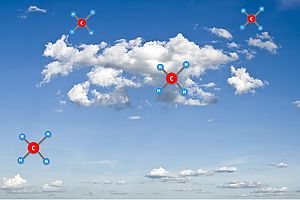
Fraunhofer researchers have developed sensor systems and measuring equipment that detect leaks in hydrogen lines and tanks. Applications for the new technology include continuous monitoring of hydrogen shipments and facilities in the chemical industry.
Optional Stainless-Steel Sleeve for mechanical stabilisation
Cylindrical proximity sensors for safety applications
Advanced pressure measurement technologies not only provide outstanding accuracy and reliability in chemical industry applications, but also help to minimise operational costs without compromising plant safety.
Leak detection with robust fixed mounted solution for monitoring and advanced analytics
Identification applications in hazardous areas using RFID over a wide operating temperature range
Cleaning systems of industrial large filter systems are often poorly regulated and therefore consume large amounts of expensive compressed air. That´s over now: A new feature of the solenoid valve controller HE 5750 of AXXERON HESCH electronics, allows for an exact setting of the cleaning pressure. We asked the Managing Director, Werner Brandis: How does pre-pressure control work exactly and what are further advantages for the industry?
Steen-Hansen – a Norwegian manufacturer of fouling prevention and net protecting solutions for aquaculture use as well as of specialized industrial paint systems – has not only successfully overcome quality problems with its newly developed antifouling coatings, but also significantly shortened process times, simply by switching its production facilities to state-of-the-art mixing and dispersion technology.
High precision measurements despite high temperatures
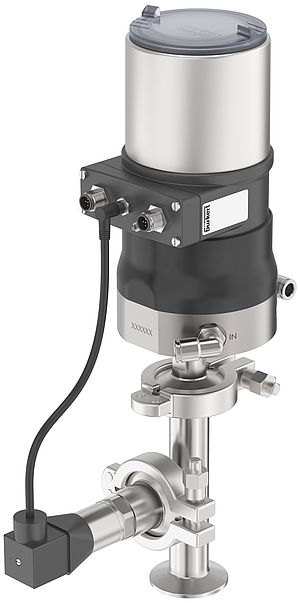
Absolute sterility, optimised processes and lower operating costs – the food industry is challenged to align its production procedures amid these conflicting interests. The measurement technology employed to check individual process parameters plays a decisive role here. WIKA has now opened up a new chapter in pressure instrumentation: an in-line process transmitter with a “dry” measuring cell takes monitoring of this variable in sterile applications to a higher level.
Methane emission regulations and reduction targets such as “Fit for 55” transform the technology used for pipeline shutdown
The session at the Emerson Exchange EMEA 2024 described improvements for a tank terminal in Antwerp. Dirk van Baelen, Emerson Area Sales Manager for Measurement Solutions in Flanders, described the improvement process in detail.
Highly efficient cleaning device for safe processes and higher production uptime
Reliable measurements despite films and adhesion
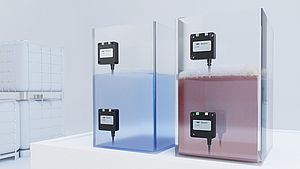
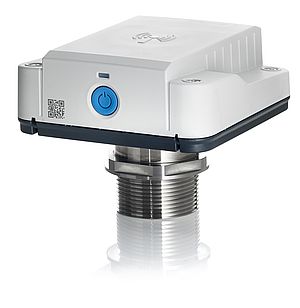
Supply chain optimization with wireless level measurement: The IIoT radar sensor measures fill levels in mobile tanks, containers and silos. The values are sent to the cloud so that they are available at any time and from anywhere. Close cooperation with users of the innovative sensor has led to further expansion of its fields of application since its market introduction three years ago.
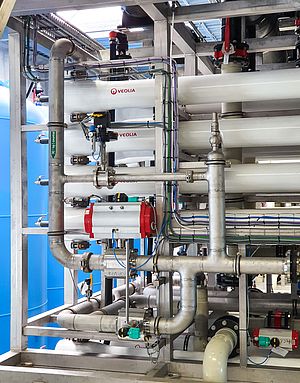
Veolia Water Technologies has built an ultra-modern plant to produce drinking water in Ostend, Belgium. In a multi-stage filtration process, the water supplier is now producing drinking water of excellent quality – far above the statutory requirements. At critical points of the process – during reverse osmosis, filtration with activated carbon and remineralisation of the water – sliding gate valves made by Schubert & Salzer Control Systems are responsible for regulating pressure and flow rate.
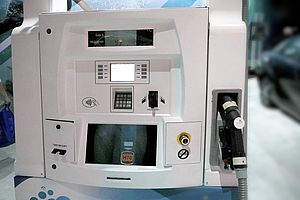
With the increase in hydrogen mobility, the network of refuelling stations is densifying. The sector is investing heavily into the infrastructure. This creates a significant demand for measurement technology, mainly to ensure the safety of the refuelling process.
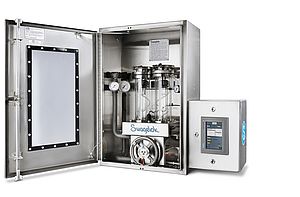
Design features offer a solution for common challenges associated with manual sampling
Quick and easy set up without calibration for different media
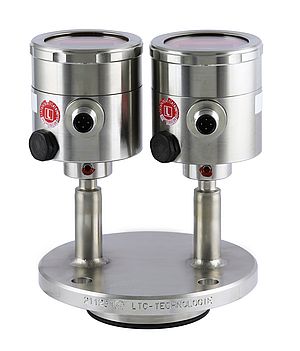
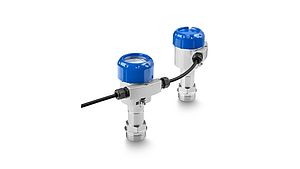
Customised solution with two pressure transmitters at the same measuring point
Designs for high or low temperature/pressure applications with a wide range of accessories and options
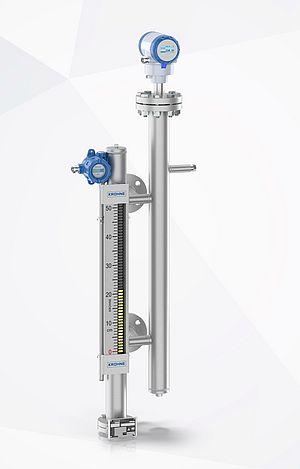
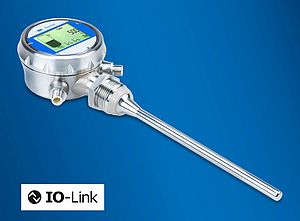
Precise Level Measurement for viscous media and with low dielectric constants
New IIoT compatible radar sensor for cloud platform brings new opportunities for remote monitoring
The basis for the CIP cleaning process is an optimized interaction of the factors mechanics, time and chemistry. Cleaning agents and rinsing solutions are applied to the surfaces of the plant components via a spray head integrated into the equipment. The movement of the spray head ensures that the cleaning solutions completely wet all surfaces and thus clean them.
For level, density and DP measurement without capillaries
Simplified commissioning and operation for a wide range of applications
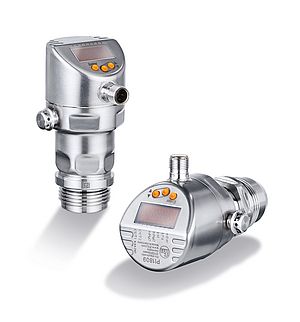
Reliable and compact level monitoring with overflow and dry-running protection
Easy-to-use device with added diagnostic capabilities
Growing demand of DTM support for level measurement devices was major factor to become members
Monitoring Structural Integrity of LNG Storage Tanks
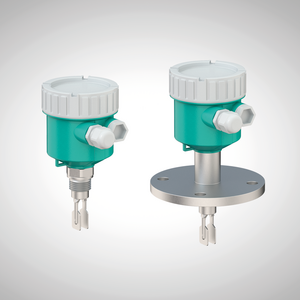
For detection of low-conducting media, even process water
With improved functionalities and food certification for Europe and USA
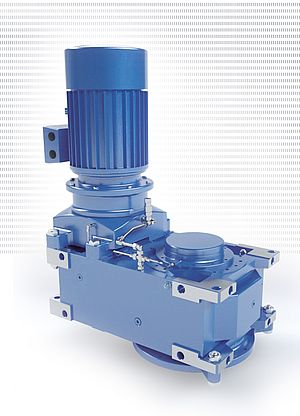
Higher reliability and lower maintenance for agitator drives
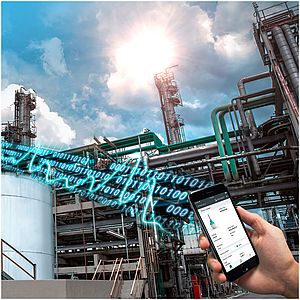
What comes to mind when you hear the word “app”? WhatsApp? TikTok? Linked-in? Broadening our scope from these examples that deliver entertainment and connection, what can apps do for users in the process industries? Quite simply, an app is an application software that generates benefits for the user - on your mobile device, in the cloud or on a server 'under the desk'. Let’s take a look at three apps for process instrumentation, exploring their different approaches as well as their advantages.
Fraunhofer process increases methane yield from biogas plants
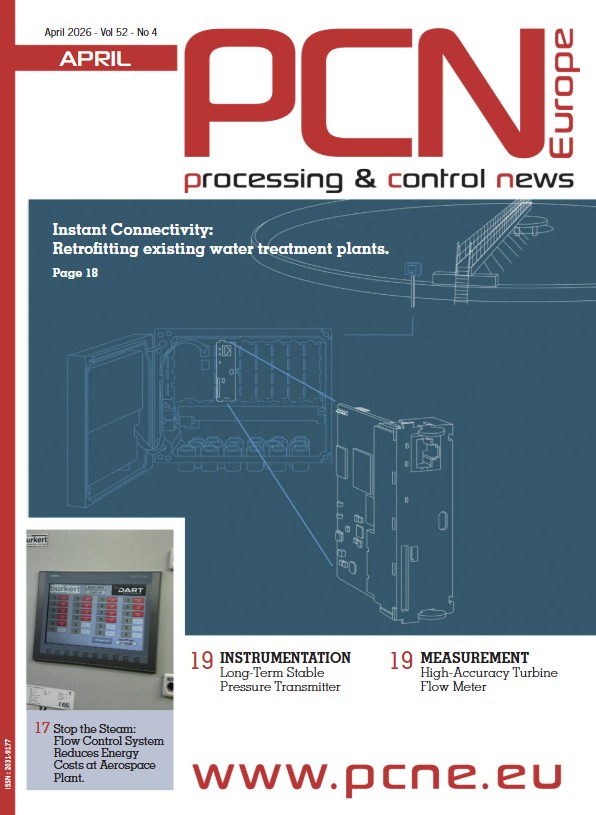
Digital Edition Download PDF