We use cookies to provide you with personalized services and improve our website. More info Ok
The world is facing a fundamental change to its entire energy supply. All current methods of generating energy are under scrutiny. Nuclear energy has fallen into disrepute for a number of reasons. Meanwhile, hydropower has its own limitations in terms of scope, one of which is its immense impact on the landscape and the associated consequences for flora and fauna. Biomass is another option, but it competes with food production and is also a limited resource. Author: Wolfgang Weber, Pepperl+Fuchs
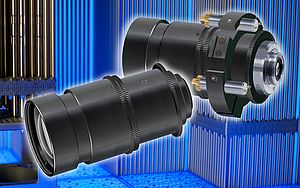
PCN Europe interviewed Rob Watkinson, Customer Support Manager at Resolve Optics about the design for optics able to withstand the high levels of radiation found in and around nuclear plants.
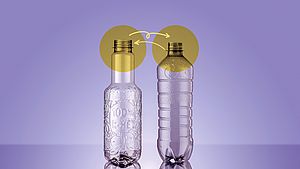
Whereas in the past only one category of product was usually run on aseptic lines, bottlers of sensitive beverages now face an ever-growing demand for flexibility. Beverage producers who process both aseptically filled beverages and juice and carbonated soft drinks need to use 38-millimeter bottle necks for the former and containers with 28-millimeter openings for the latter. If the bottle neck is to be changed on a PET line, however, to date a comparatively large amount of effort was required to convert the stretch blow molder in particular.
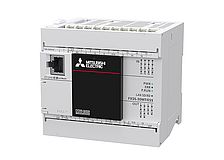
One year of stable operation demonstrates this next-generation control technology can decrease environmental impact, achieve stable quality, and transform operations
New IIoT compatible radar sensor for cloud platform brings new opportunities for remote monitoring
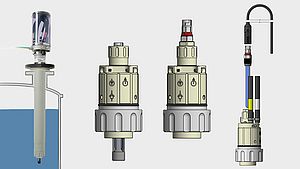
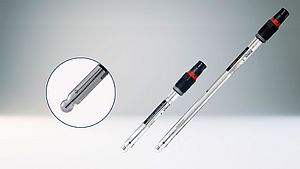
Adapter for locking and cleaning of sensors in immersion fittings
For improved energy efficiency and minimum Total Cost of Ownership
US-based pioneer in digitalizing the monitoring of polymerization reaction processes now part of the Yokogawa group
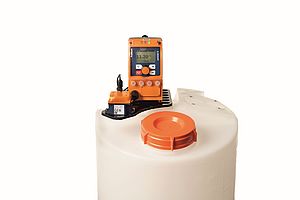
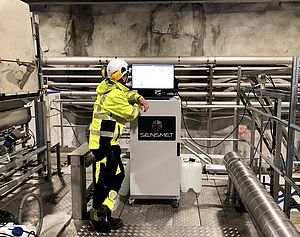
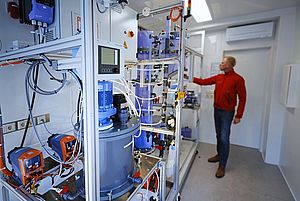
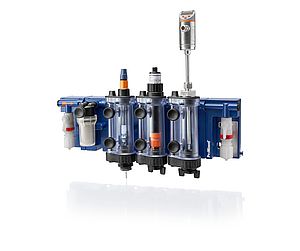
Chemical dosing based on reliable real-time data in Finish pilot plant
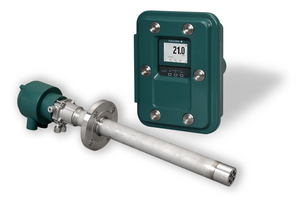
Sensor self-assessment and data logging functions for Oxygen Analyzer that significantly reduce operating costs
Reliable and compact level monitoring with overflow and dry-running protection
Sulzer and Blue Planet deepen collaboration to accelerate decarbonization of concrete and the construction sector
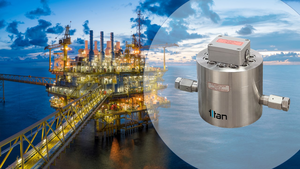
Oval gear meters for the offshore Oil and Gas Industry
Minimised yellow tint to work with 1/3rd and 2/3rd-inches colour sensors
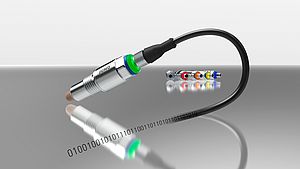
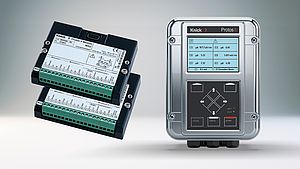
Measurements from up to six sensors on one transmitter
The Plastics Technology Centre will generate lactic acid and then PLA from fermentable sugars in biomass waste for use in packaging with active properties for cosmetics and other uses.
How Raman process monitoring is providing a spectra of benefits across the biopharmaceutical industry. Dean Stuart, Product Manager at Thermo Fisher Scientific
Cost-effective and scalable PoE transmitter in small form factor
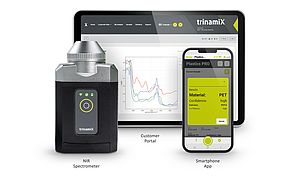
In addition to the on-the-spot identification of more than 30 plastic types, PET-A can now also be distinguished from PET-G with a handheld device
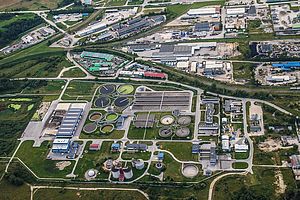
Looking at all of the business sectors in Germany, industry requires the largest amount of water. This makes access to efficient technology for cleaning and recycling water all the more important for this sector in particular. Ideally, this technology should also allow energy and valuable raw materials to be retrieved so that they can be reused in production.
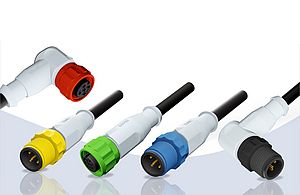
Plastic coupling elements for higher chemical resistance
For easy handling and cleaning without tools
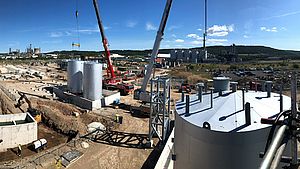
Recycling pioneer Mura Technology is making great strides in the construction of the world’s first HydroPRS plant, scheduled to go into operation in early 2023
New Scotland-based centre will develop and provide training for next-generation gas sensing technologies used for emissions monitoring, process control and safety
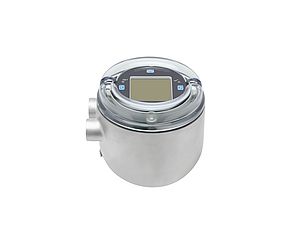
Rugged and compact stainless-steel housings with ATEX approvals
For demanding monitoring and control applications in the chemical industry and the food sector.
Waste heat from cooling water system to be used as a low-carbon energy source for steam production. Feasibility study to investigate project at Ludwigshafen site
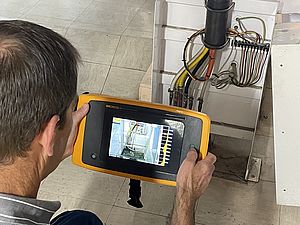
Medical gas leak detection with acoustic imager in Mediclinic hospitals has improved safety levels and cut costs while enabling the company to meet sustainability goals.
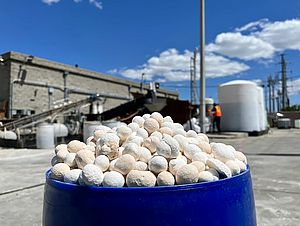
Fraunhofer process increases methane yield from biogas plants
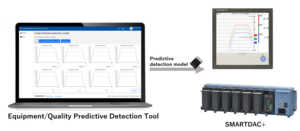
Building AI-based detection tools without being a specialist
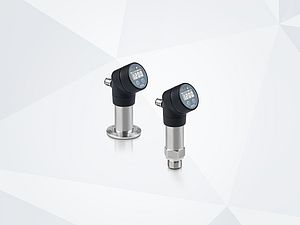
2-axis (multi-rotatable) LED display and adjustment module
For long-term operation under harsh conditions
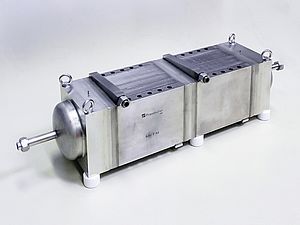
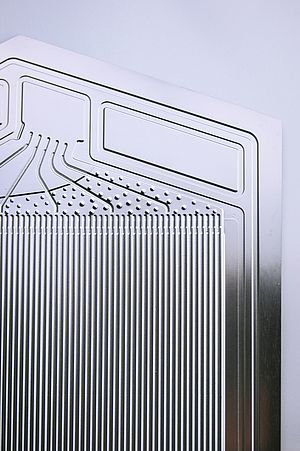
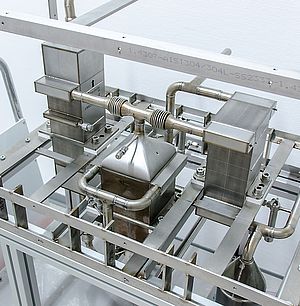
Methanol reformers convert easy-to-transport methanol into hydrogen. But conventional reformers still come with a number of drawbacks – catalyst attrition, to name but one example. An innovative methanol reformer for mobile applications from the Fraunhofer Institute for Microengineering and Microsystems IMM is able to overcome these challenges.
Atlas Copco has agreed to acquire Pumpenfabrik Wangen GmbH, a German manufacturer of progressive cavity pumps used for transferring fluids mainly in the biogas and wastewater sectors. The company also manufactures twin-screw pumps used in sectors like food and beverage and cosmetics.
Asahi Kasei subsidiary Tong-suh Petrochemical becomes the first acrylonitrile manufacturer in Asia to acquire ISCC PLUS certification
How production security can be at risk if water treatment fails
Novozymes and Saipem enter agreement to create a more sustainable CO2 capture
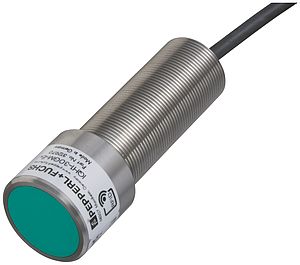
Combination with NAMUR proximity allows precise batch dosing within a potentially hazardous environment
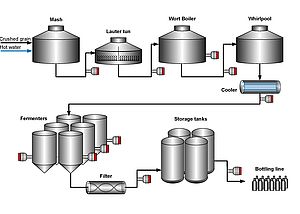
Brewers will often attribute their success to passion, determination and innovation, but once a beer has been developed and branded, it’s all about consistency. Process monitoring therefore has a key role to play. In the following article Keijo Pyörälä from Vaisala will explain how in-line refractometers, located strategically at every stage of the brewing process, enable process optimization, save energy, reduce waste, lower costs and help deliver top quality beer.
Reliable Measurement of Methane with Different Sensor Elements
Digital Edition Download PDF