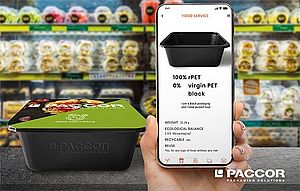
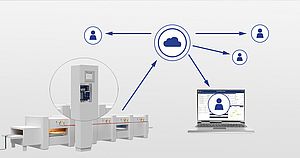
Easier recycling of plastic packaging for consumer will be possible with a PACCOR cloud solution
Launch of sustainable lightweight Selective Hydrogenation Catalysts
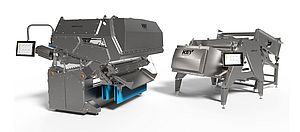
Different Sensor options and AI for sorting processes
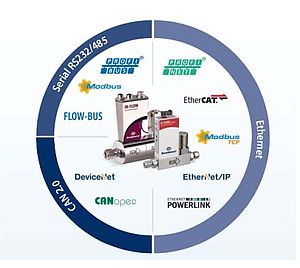
Versatile interface options for a broad range of markets
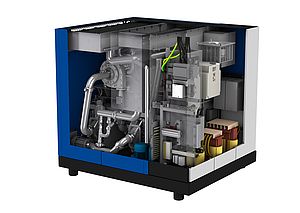
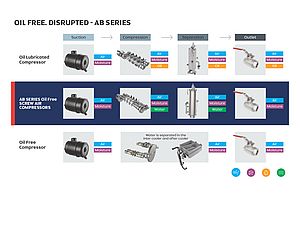
Reliable 24/7 access to oil-free compressed air is essential in the food industry. Regardless of the application, all machines must be sanitary to avoid potential contamination
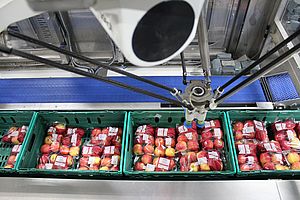
Enabling 2D vision sensors for complex sorting and quality inspection tasks
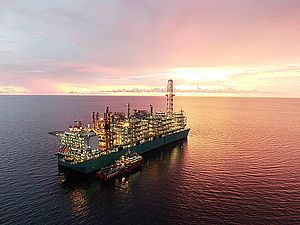
PETRONAS selected OASE purple technology for FLNG project for highly efficient gas treatment with low energy demand
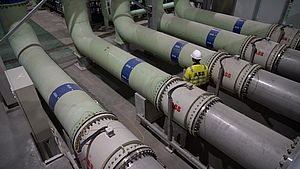
Daily production set for up to 30 million gallons of fresh drinking water
thyssenkrupp supports Emirati company Helios Industry to build and operate the first green ammonia plant.
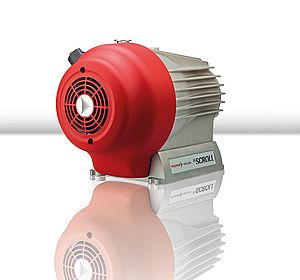
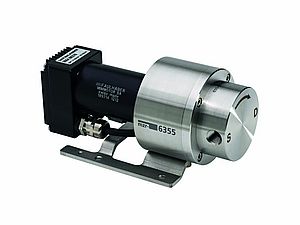
For safe pumping of potentially explosive gas mixtures
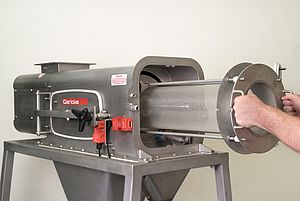
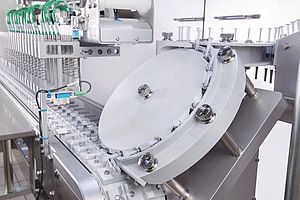
For safe manucfaturing processes without foreign bodies
Gpi Group, specialist for construction of stainless-steel tanks has established a new business unit to serve customers better and faster. Gpi Pharma unifies the experts in the design and production of pharmaceutical high-quality storage an process tanks.
Working Group is going to test the fueling of melting furnaces with hydrogen
Plant to go into operation in summer 2022 with an annual production of up to 1,350 tons of hydrogen and CO2 savings of up to 13,500 tons. It will supply Northern Bavaria, Thuringia and neighboring part of Czech Republic with hydrogen.
thyssenkrupp Fertilizer Technology and Abu Qir Fertilizers sign contract to upgrade Egyptian plant
Acquisition of Zodiac Enterprises LLC assets in Caldwell, Texas will grow BASF’s circular economy business in catalyst recycling
Proof of concept for inexpensive chip-integrated optical infrared components
The Fraunhofer Cluster of Excellence Circular Plastics Economy CCPE and its Institute for Environmental, Safety and Energy Technology UMSICHT have developed an advanced recycling process for used plastics. The pilot project with SABIC and Procter & Gamble serves to demonstrate the feasibility of closed-loop recycling for single-use facemasks.
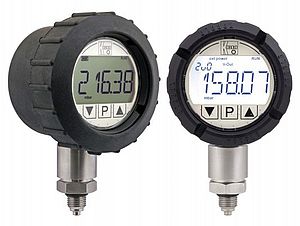
24 Vdc version, optionally available as battery powered device
AIMPLAS coordinated the European LIFE ECOMETHYLAL Project, which has ended with the construction of a plant capable of extracting up to half a kilo of methylal from each kilo of non-recyclable waste. Methylal can be used as a solvent and as a raw material to produce new plastics. The project focused on recovering waste, mainly from the automotive, electrical and electronic, and packaging sectors, by means of chemical recycling.
Contribution to recycling of plastic waste and to increased use of renewable raw materials
While the wheels of industry need to keep turning to produce the everyday items that we take for granted, there is a growing realization that this cannot be done at the continuing expense of the environment.
Autumn is the right time for the annual flu vaccination – at least in the northern hemisphere. South of the Equator, populations are vaccinated in the spring. Twice a year, pharmaceutical manufacturers need to produce millions of vaccine doses in a short time to meet demand for the protective drugs. An internationally active supplier relies on Schubert-Pharma to package its syringes containing the vaccine.
Confirming the safety, efficacy and quality of medications is paramount in the pharmaceutical sector, which requires robust data governance strategies. In the world of Pharma 4.0, these need to accommodate an ever-increasing volume of data. Technologies that incorporate gigabit Ethernet and Time-Sensitive Networking (TSN) are exactly what is needed. Author: John Browett, General Manager at CLPA Europe
Safe and precise delivery of ammonia solution into static mixers
Addressing the demand for industry-standard compressed air in pharmaceutical manufacturing while delivering improvements in energy efficiency, sustainability and margin growth.
"All-in-one" process for feed and fertiliser production
Efficient and economic separation of hydrogen and natural gas with membrane technology
Plastic waste redirected into production cycles, distinct greenhouse gas reduction with product properties unchanged
First-time demonstration of novel production technology co-developed by OMV and BASF for highest isobutene quality and maximum energy efficiency
Global data volumes are growing exponentially as a result of digitization. More and more industrial processes are being monitored, analyzed, and automated using sensors. The new JUMO Cloud and the JUMO smartWARE SCADA make an important contribution to the development of the intelligent factory of the future.
Size matters – particularly in competitive markets such as pharma and nutraceuticals due to its direct result on costs. Tradichems patented Hipering® process begins right at the start of the process chain by miniaturizing the ingredients. Thanks to Piab’s piFLOW®p vacuum conveyor their patented process is continuously fed thus maintaining the required pressure level.
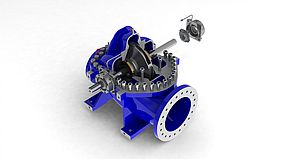
Reliable, easy-to-maintain and energy efficient pumps
Bühler and Vyncke form strategic partnership to offer low-carbon-emissions food plants
Just like cellulose, lignin and fats, proteins are renewable raw materials. Their potential for the chemical industry remains largely untapped. Researchers at the Fraunhofer Institute for Process Engineering and Packaging IVV want to change that.
Intelligent feed silos on the farm, communicative waste containers in the city and mobile containers that “communicate” how full they are: The use of smart radar sensors VEGAPULS Air helps to optimise supply processes and save resources.
Vision can be deployed in a number of different ways on a food processing line to tell if food is safe to eat and meets the quality standards demanded by retailers. Now the kind of hyperspectral technology that NASA has used to study planets and plant life is being applied to the food that ends up on household plates.
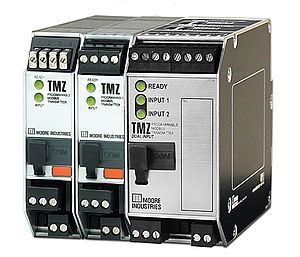
Multi-Drop of up to 32 units to single communication link
Start of testing phase for industrial production
Linde announced it will build, own and operate the world's largest PEM (Proton Exchange Membrane) electrolyzer plant at the Leuna Chemical Complex in Germany
Digital Edition Download PDF