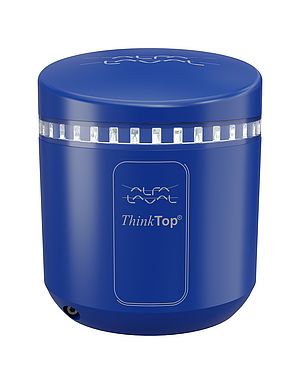
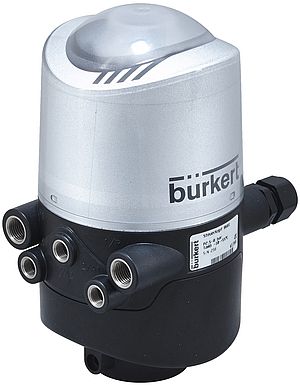
Maintenance-free unit for hygienic valves
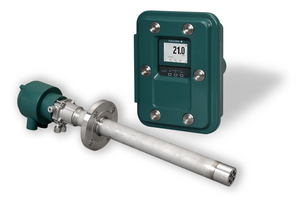
Sensor self-assessment and data logging functions for Oxygen Analyzer that significantly reduce operating costs
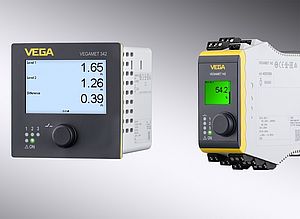
Reliable and compact level monitoring with overflow and dry-running protection
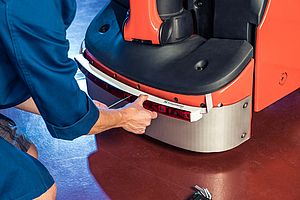
Fraunhofer Application Center develops new optical safety technology reduces transportation accidents
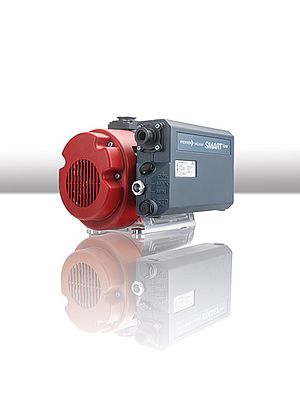
Hermetically sealed pump housing for prevention of contamination
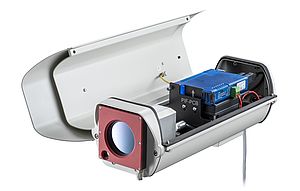
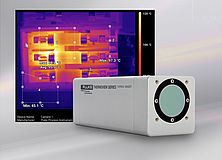
For use of infrared cameras under harsh environmental conditions
Standardized product range for lower engineering time
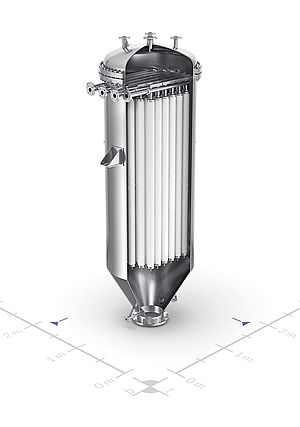
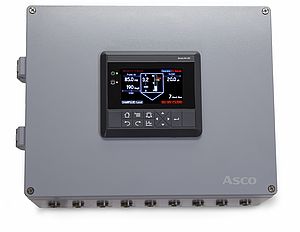
Emerson’s new ASCO™ DPT Control System optimizes the performance and improves the efficiency of filtration and dust collector systems by providing accurate and reliable low-level particulate monitoring, early warning leak detection, enhanced cleaning control and real-time diagnostics. Early warning through low-level measurement Using traditional sensing technology, low-level leakage is...
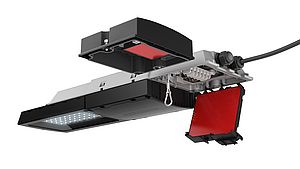
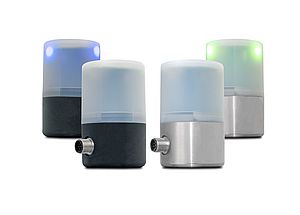
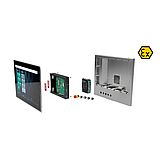
Decentralized emergency lighting for hazardous areas
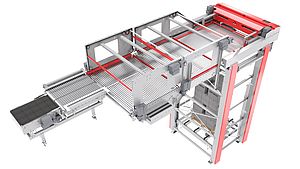
Logistics solution for automation of container unloading
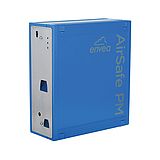
Real-time particle monitoring allows plant optimization
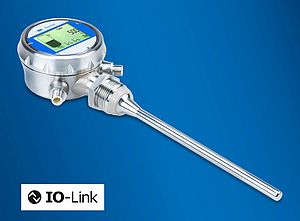
For detection of low-conducting media, even process water
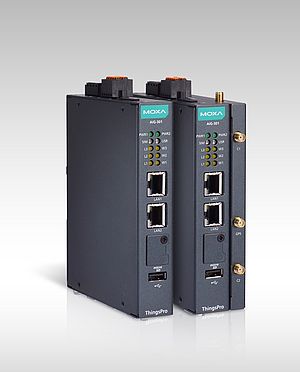
For a secure remote management at unmanned sites
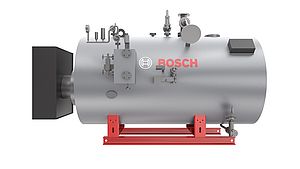
Carbon-neutral steam generation for industrial and commercial processes
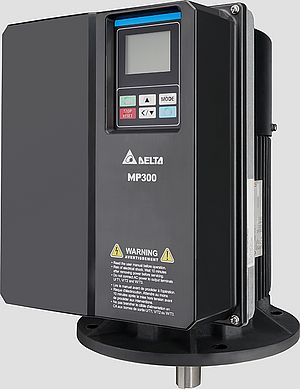
Energy-saving motor/inverter solutions for new installations and retrofitting
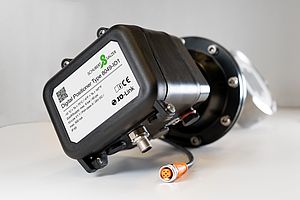
Digital positioner for pneumatic control valves makes diagnostic data easily available
A holistic approach on customer support for the Chemical and Pharmaceutical Industries
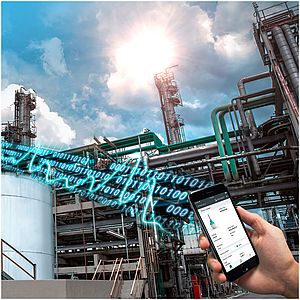
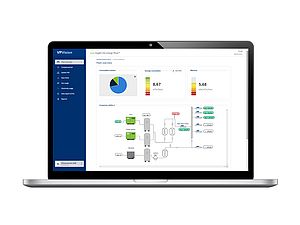
What comes to mind when you hear the word “app”? WhatsApp? TikTok? Linked-in? Broadening our scope from these examples that deliver entertainment and connection, what can apps do for users in the process industries? Quite simply, an app is an application software that generates benefits for the user - on your mobile device, in the cloud or on a server 'under the desk'. Let’s take a look at three apps for process instrumentation, exploring their different approaches as well as their advantages.
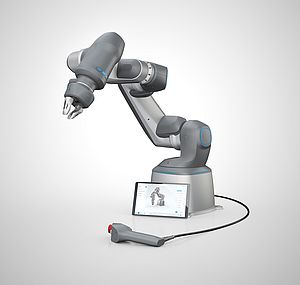
Introduction of new category of collaborative robot arm
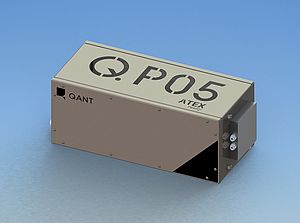
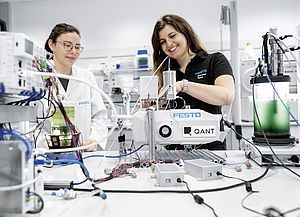
Automation technology facilitates large-scale biomass cultivation using artificial photosynthesis. Prototype with quantum technology to be presented at Hannover Messe 2022
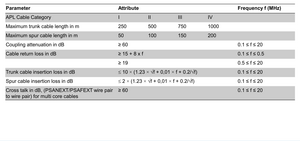
Users in process automation have the most to gain from insight through data from sensors and actuators. This is where the advanced physical layer for Ethernet, short Ethernet-APL comes in, the data highway to the field of process plants. Many questions must be answered when deploying Ethernet-APL for the first time. This article discusses topologies for Ethernet-APL that can be realized with currently available infrastructure components.
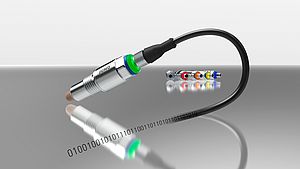
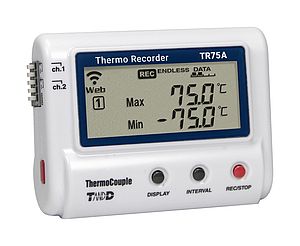
Safe and secure temperature data management
Easy installation for use with pneumatic linear valves
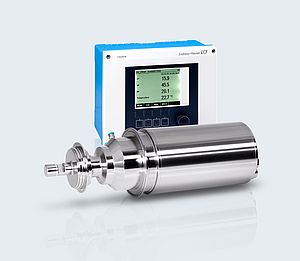
Bringing color measurements from the lab to the process
For real-time energy monitoring with extended functionalities
The plant in Trutnov will supply all European locations with assembled printed circuit boards
Bluetooth remote access with tablet or smartphone
We interviewed Andreas Hennecke, Pepperl+Fuchs Product Marketing Manager and Ambassador for Ethernet-APL about the development and possibilities of Ethernet-APL for the process industry.
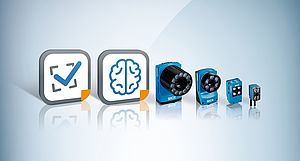
Enabling 2D vision sensors for complex sorting and quality inspection tasks
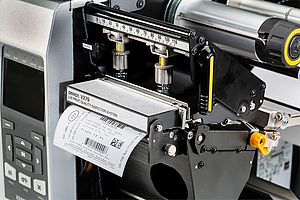
Verification System for label compliance and quality monitoring
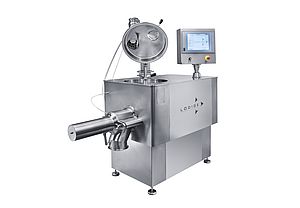
Compacting powdery foodstuffs for the perfect aroma
Royal HaskoningDHV and Mitsubishi Electric provide integrated solutions for digitally connected water utilities
Proof of concept for inexpensive chip-integrated optical infrared components
Avoiding stick-slip for reliable production processes
The Fraunhofer Cluster of Excellence Circular Plastics Economy CCPE and its Institute for Environmental, Safety and Energy Technology UMSICHT have developed an advanced recycling process for used plastics. The pilot project with SABIC and Procter & Gamble serves to demonstrate the feasibility of closed-loop recycling for single-use facemasks.
Intelligent communication for decentral automation of hygienic processes
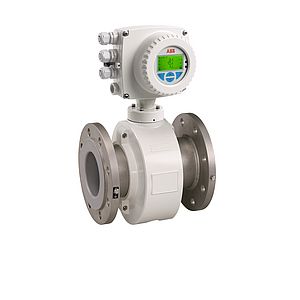
Ethernet connectivity for increased flexibility and simplicity in flow measurement
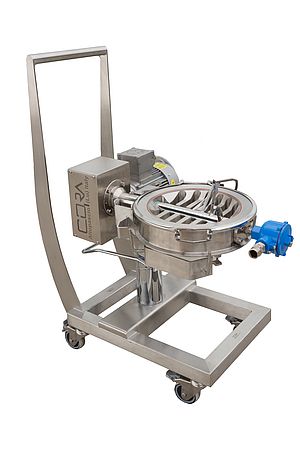
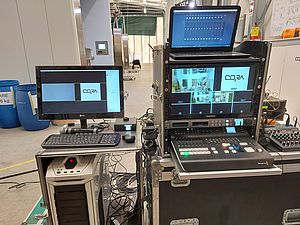
30 years of tradition in chemical and pharmaceutical solids handling allow CO.RA. to guarantee its products based on strict norms. Design and development and manufacturing of products are based in Italy and a qualified service team supports customers worldwide, on-site and remotely.
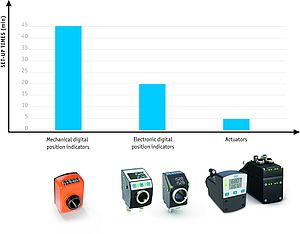
“Size changeover” is not necessarily a term that immediately makes people stop and pay attention in the pharmaceutical industry. However, considering the challenges in pharmaceutical manufacturing, which are characterized by cost and competitive pressure as well as strict regulations, intelligent size changeover means competitive advantages in terms of efficiency, product quality and process reliability.
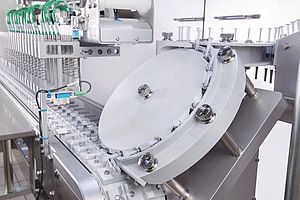
Autumn is the right time for the annual flu vaccination – at least in the northern hemisphere. South of the Equator, populations are vaccinated in the spring. Twice a year, pharmaceutical manufacturers need to produce millions of vaccine doses in a short time to meet demand for the protective drugs. An internationally active supplier relies on Schubert-Pharma to package its syringes containing the vaccine.
Digital Edition Download PDF